Relations with Britain (Edexcel GCSE History): Revision Notes
📚Revision Notes
Relations with Britain
After the French and Indian War ended, the relationship between Britain and its American colonies became increasingly strained. While both British and colonial forces had fought together successfully against France, the war's aftermath created significant tensions that would shape the path towards revolution.
Impact of war: relationships
The war revealed deep social and military divisions between British and American forces that had lasting consequences for imperial relations.
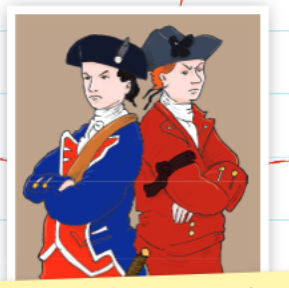
Military tensions and class differences
British soldiers developed a negative view of their colonial counterparts during the conflict. Regular British troops were professionally trained and highly experienced, while colonial soldiers were typically farmers who had served in local militia units. This difference in military background led to colonial troops receiving additional training and being perceived as less capable by their British allies.
The situation was made worse by poor treatment and unfair pay. Many British soldiers were inadequately compensated and wanted to return home after the war. To boost morale, some British generals allowed their troops to take over private accommodation from colonists, including inns and taverns. This practice was deeply resented by colonial civilians and created lasting resentment.
Important
These military and social tensions during the war created lasting resentment between British and colonial forces that would contribute to the growing divide leading up to the American Revolution.
Officer relations and social hierarchy
A significant class divide emerged between British and colonial officers. Most British officers, particularly generals, came from upper-class backgrounds, while colonial officers typically rose from more modest social circumstances. This created tension and mutual resentment that persisted long after the war ended. Colonial officers felt they were treated unfairly and looked down upon by their British counterparts, despite their contributions to victory.
Impact of war: the economy
The French and Indian War placed enormous financial strain on both Britain and the colonies, leading to economic policies that would become major sources of conflict.

War costs and debt burden
The war was extremely expensive for Britain, which resented having to bear most of the financial burden while the colonies contributed relatively little. After the conflict, British taxpayers faced the prospect of paying two-thirds of the cost of maintaining a permanent army to defend the newly acquired territories. Colonial taxpayers also faced increased financial pressure, as they had never previously been required to contribute their share towards maintaining British forces for their defence.
Note
The massive war debt created a financial crisis that would drive Britain to seek new sources of revenue from the American colonies, setting the stage for the taxation disputes that would follow.
Increased smuggling and trade disputes
In the aftermath of war, smuggling in British America increased significantly as colonists sought to avoid customs duties. This reduction in legitimate customs revenue greatly angered the British government, which was already struggling with war debts and seeking ways to increase income from the colonies.
Revenue-raising measures
To help repay war debts and cover the costs of the new permanent army, the British government began investigating ways to increase the amount of money they collected from the colonists. This would lead to new taxation policies, including measures like the Sugar Act, which aimed to generate more revenue from colonial trade.
Impact of war: British control
Britain attempted to exert greater control over colonial affairs in the war's aftermath, leading to increasing resistance from colonial assemblies and settlers.
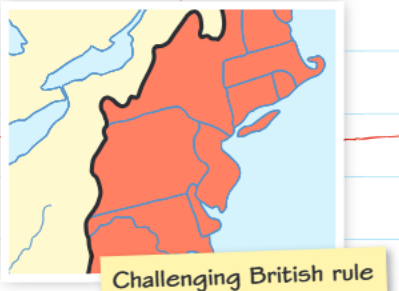
Colonial assembly independence
During the war, assemblies in different colonies had gained increased control over their local economies. They had printed additional paper money to fund war efforts, which the British government had not authorised. When Britain tried to force them to stop this practice, it created another source of tension between imperial and colonial authorities.
The Proclamation Line of 1763
Many colonists strongly opposed the Proclamation Line, which restricted where they could establish new settlements. This policy was designed to prevent conflicts with Native American tribes and reduce the costs of frontier defence. However, some settlers completely disregarded this law, and by 1771, approximately 10,000 settlers had moved into the Ohio Country despite the prohibition.
Important
The Proclamation Line of 1763 became a major source of colonial resentment, as many colonists viewed westward expansion as their right and saw the restriction as an unfair limitation on their opportunities for land and prosperity.
Legal system control attempts
Some colonial assemblies tried to circumvent the legal system, which was controlled by the British government. They attempted to do this by appointing and paying judges directly from their assembly budgets. However, the British government recognised this threat to their authority and stopped these efforts before they could become widespread.
Timeline of key events
Note
Key Timeline:
- 1763: Proclamation Line established, restricting westward settlement
- 1763-1771: Gradual increase in illegal settlement beyond Proclamation Line
- By 1771: Approximately 10,000 settlers living illegally in Ohio Country despite restrictions
Summary
Key Points to Remember:
- The French and Indian War created lasting tensions between British and colonial military forces due to class differences and unfair treatment
- War expenses led to increased British efforts to raise revenue from the colonies through taxation and trade regulation
- Colonial assemblies gained more independence during the war but faced British attempts to reassert control afterward
- The Proclamation Line of 1763 restricted westward expansion but was widely ignored by colonial settlers
- Economic burdens from the war affected both British and colonial taxpayers, creating resentment on both sides