Tensions among social groups (Edexcel GCSE History): Revision Notes
📚Revision Notes
Tensions among social groups in British America, 1713-41
Between 1713 and 1741, British America experienced significant population growth and expansion that created various social tensions among different groups of settlers. Understanding these tensions helps explain the complex social dynamics that shaped colonial society during this important period.
Important
Five Main Types of Social Tensions: Social tensions in colonial British America can be categorised into five distinct types: racial, religious, class-based, geographic (town vs countryside), and generational (old vs new settlers). Each type created unique conflicts that shaped colonial development.
Causes of social tensions
Impact of expansion
During the 18th century, the colonial population expanded dramatically due to natural population growth, where birth rates exceeded death rates, combined with continued immigration. This growth pushed settlers to seek new territories, often taking Indigenous lands that had not been officially purchased by the British government.

The expansion created serious conflicts with Native American tribes. The most significant was the Yamasee War (1715-17), when tribes attacked settlements in South Carolina but were ultimately defeated. Indigenous peoples frequently appealed to colonial governors for help against settler encroachment, but received little assistance, increasing tensions on the frontier.
Example
Major Conflict Example: The Yamasee War (1715-17)
The Yamasee War represents the most significant conflict arising from territorial expansion during this period:
Cause: Settlers moved into Indigenous lands without official British government purchases Event: Native American tribes launched attacks on South Carolina settlements Outcome: Tribes were defeated, but tensions on the frontier continued to escalate Impact: Demonstrated the ongoing conflict between expansion and Indigenous rights
Impact of immigration
The colonial period saw diverse groups of immigrants arriving for different reasons, each bringing their own challenges and creating social friction.

German Lutheran families immigrated seeking to farm their own land and practice their faith freely. Many young, single Scots-Irish people arrived as indentured servants, working for passage money and facing food shortages at rising rents. English relatives of existing settlers came to join family members already established in America.
Note
The 1718 Transportation Act allowed Britain to send convicted criminals to the colonies as punishment, creating another source of immigration. Additionally, many Africans were forcibly brought to British America as enslaved people, representing a fundamentally different immigration experience based on coercion rather than choice.
Types of social tensions
Between races
Racial tensions were deeply embedded in colonial society through legal and social structures. Free Black people faced significant racism and had very limited legal rights. They were banned from some colonies entirely, and inter-racial marriage between whites and Blacks was prohibited in all 13 colonies by 1713.

The number of enslaved people in Southern colonies became so large that it increased fears of potential rebellions among white colonists. This fear influenced many colonial policies and social attitudes during this period.
Important
Critical Legal Restriction: By 1713, inter-racial marriage was banned in all 13 colonies, legally institutionalising racial divisions and preventing legal integration between racial groups. This represents one of the most significant legal barriers to racial equality in colonial society.
Between religious groups
Religious differences created significant tensions, particularly in New England colonies. The established Congregationalist community, which followed non-conformist Protestant traditions, dominated many areas. However, after 1713, many immigrants were Scots-Irish Presbyterians, who belonged to a similar but distinct Protestant group.

The Congregationalists often passed anti-immigration laws to prevent non-Congregationalists from settling in their communities, viewing the newcomers as threats to their religious and social order.
Note
While both Congregationalists and Presbyterians were Protestant groups with similar theological foundations, their differences in church governance and cultural practices created significant community tensions. Congregationalists favoured local church independence, while Presbyterians followed a more hierarchical structure.
Between classes
Enormous divisions in wealth and land ownership created class-based tensions throughout colonial society. As inequalities grew after 1713, acquiring land became increasingly difficult for poorer settlers.
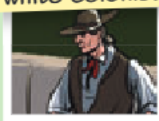
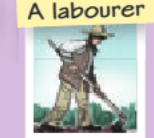

These tensions sometimes erupted into violence, such as riots by common planters following the 1730 Virginia Inspection Act, which favoured larger landowners. Indentured servants and enslaved Africans remained dependent on their employers and had extremely limited rights and opportunities for advancement.
Example
Class Conflict Example: Virginia Inspection Act Riots (1730)
Background: The Virginia Inspection Act of 1730 created tobacco inspection standards Problem: The act favoured larger landowners who could more easily meet inspection requirements Response: Common planters (smaller farmers) organised riots in protest Significance: Demonstrated how economic legislation could deepen class divisions and lead to violent conflict
Between town and countryside
As colonies developed, trade and commerce grew, leading to the expansion of towns in both size and number. This growth created tensions between urban merchants and rural landowners over new laws and tax policies that affected different occupations in various ways.
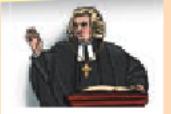
Urban areas developed different economic interests and social structures compared to rural farming communities, leading to conflicts over colonial governance and economic policies.
Note
Urban-rural tensions often centred on economic policy differences. Towns focused on trade and commerce, favouring policies that supported merchant activities, while rural areas prioritised agricultural concerns and often opposed taxes that seemed to benefit urban commercial interests.
Between old and new settlers
Established settlers often resented newer immigrants, especially those who didn't come from England. There was particular hostility towards Scots-Irish people, but more acceptance towards German immigrants who spoke different languages and maintained different cultural traditions.
This led Pennsylvania to require new immigrants to swear an oath of loyalty to address concerns about the loyalty and integration of diverse immigrant communities.
Timeline of major events
- 1713: Inter-racial marriage banned in all 13 colonies
- 1715-17: Yamasee War - tribes attack South Carolina settlements
- 1718: Transportation Act allows Britain to send convicts to colonies
- 1730: Virginia Inspection Act favours larger landowners, leading to riots
Summary
Key Points to Remember:
- Five main types of social tensions: Between races, religious groups, classes, town and countryside, and old and new settlers
- Population growth from both natural increase and immigration drove territorial expansion and social conflicts
- The Yamasee War (1715-17) was the most significant conflict between settlers and Indigenous peoples during this period
- Legal restrictions like bans on inter-racial marriage and anti-immigration laws institutionalised social divisions
- Economic inequalities between different classes and occupations created ongoing tensions that sometimes erupted into violence