War Of Independence, 1775–83 (Edexcel GCSE History): Revision Notes
📚Revision Notes
The war and the loyalists
Who were the loyalists?
During the War of Independence, approximately 20% of American colonists remained loyal to the British Crown. These loyalists were a significant minority, with around 19,000 actually fighting in loyalist military units alongside British forces. However, their loyalty came at a tremendous cost once the war ended in American victory.
Note
The loyalist population represented a substantial portion of colonial society, demonstrating that support for independence was far from universal. Their military contribution to the British war effort was also significant, with nearly 20,000 loyalists taking up arms against their rebel neighbours.
Post-war persecution and hostility
After the rebels won the war, loyalists faced severe consequences from their victorious neighbours. The defeated loyalists experienced widespread hostility and persecution from American patriots who viewed them as traitors to the cause of independence.
Important
The treatment of loyalists after the war was often brutal and systematic. Many faced not just social ostracism, but physical violence, property seizure, and forced exile from communities where they had lived for generations.
Property theft and compensation attempts
Many loyalists had their property stolen and sold by the rebels, while others faced direct threats and attacks from angry mobs. The situation became so dangerous that many loyalists felt they had no choice but to leave their homes and seek refuge elsewhere.
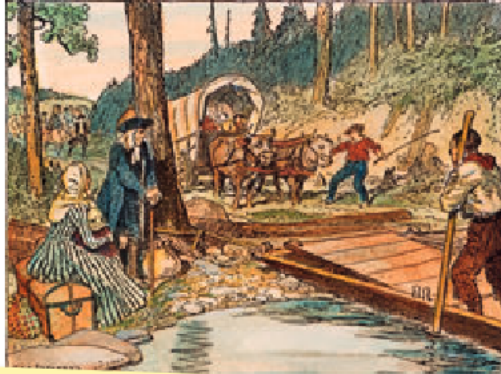
The Treaty of Paris included provisions for Americans to return stolen loyalist property, but this promise proved extremely difficult to implement in practice.
Example
Compensation Shortfall: The Financial Ruin of Loyalists
Loyalists submitted compensation claims totaling over £10 million to the British government for their losses. However, they only received approximately £3 million in actual payments.
This represented a massive shortfall of £7 million, leaving many loyalist families financially ruined despite their loyalty to the Crown.
Resettlement in British North America
Faced with ongoing hostility and limited compensation, tens of thousands of loyalists chose to leave the United States for other parts of the British Empire, particularly Canada. Some 10,000 of these refugees were formerly enslaved people who had gained their freedom by supporting the British during the war.
Note
The loyalist migration to Canada was one of the largest refugee movements in North American history, fundamentally reshaping the demographics and political landscape of British North America.
Timeline of loyalist migration
January 1783: British officials in Nova Scotia began reporting back to London about the colony's potential as a resettlement destination. Nova Scotia was considered suitable because of its fertile land and English-speaking population, making it easier for loyalists to integrate.
April 1783: The first wave of loyalists departed New York as British forces prepared to evacuate the city.
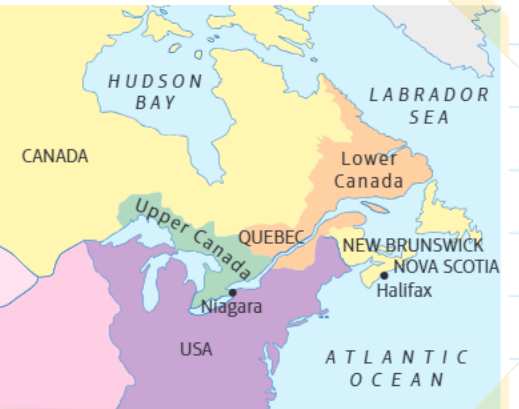
End of 1783: By this time, around 30,000 loyalists had arrived in Nova Scotia, with approximately 2,000 more settling in Quebec. Many also found homes at Fort Niagara, a former key British military post.
Government support for resettlement
The British government and colonial authorities provided substantial assistance to help loyalists rebuild their lives:
- The governor of Halifax arranged for 1.2 million acres of Nova Scotia land to be set aside specifically for loyalist settlement
- Both Quebec and Nova Scotia authorities distributed land grants ranging from 200 to 1,200 acres per family
- Free Black loyalists received land offers, though they typically received smaller plots than white settlers
- Authorities provided essential supplies including farming tools, food, and clothing to help settlers establish themselves
Note
This government support programme was unprecedented in scale for its time, representing a massive investment by Britain in relocating and supporting the loyalist population who had sacrificed so much for their allegiance to the Crown.
Regional settlement patterns
The loyalist influx led to significant political and geographical changes in British North America:
1784: Nova Scotia was divided into two separate colonies, with New Brunswick being created specifically for loyalist settlement.
1791: Quebec was similarly split, creating Upper Canada and Lower Canada where many loyalists settled.
New communities: Entirely new loyalist towns developed rapidly, such as Shelburne in Nova Scotia, which housed 6,000 loyalists by 1784. The growth was remarkable - communities of formerly enslaved people also established themselves, with places like Birchtown, Nova Scotia, becoming home to about 15,000 free Black loyalists by early 1784.
Harsh realities of loyalist life
Despite government assistance, life proved extremely challenging for many loyalist settlers. They faced their first harsh Canadian winter with only temporary housing, and many settlers died from exposure and disease. The transition from their former lives in the established American colonies to frontier conditions in Canada represented a dramatic change in living standards and opportunities.
Important
The Brutal Reality of Resettlement
Many loyalists went from comfortable, established lives in American towns and cities to primitive frontier conditions in Canada. The first winter was particularly deadly, with inadequate shelter and supplies leading to significant mortality rates among the refugee population.
The mixing of loyalist refugees with established settlers sometimes created tension and conflict, adding another layer of difficulty to an already challenging situation.
Summary
Key Points to Remember:
- Loyalist numbers: About 20% of American colonists (including 19,000 fighters) remained loyal to Britain during the War of Independence
- Post-war consequences: Loyalists faced property theft, mob attacks, and persecution, forcing many to flee to Canada
- Inadequate compensation: British government paid only £3 million of the £10 million in loyalist compensation claims
- Mass migration: Tens of thousands of loyalists, including 10,000 formerly enslaved people, resettled in Nova Scotia and Quebec between 1783-1784
- Long-term impact: Loyalist settlement led to the creation of New Brunswick (1784) and the division of Quebec into Upper and Lower Canada (1791)