Continuity in prevention, treatment and care (Edexcel GCSE History): Revision Notes
📚Revision Notes
Continuity in prevention, treatment and care during the Renaissance (c1500-c1700)
Introduction
The Renaissance period brought some important changes to medical care, but many traditional practices continued alongside new developments. While there were improvements in hospital care and some new treatment methods, most people still relied on the same preventions and treatments that had been used for centuries.
Note
The Renaissance represents a period of transition rather than revolution in medical care. Understanding this continuity helps explain why medical progress was so gradual during this era.
Hospital developments during the Renaissance
Early changes by 1500
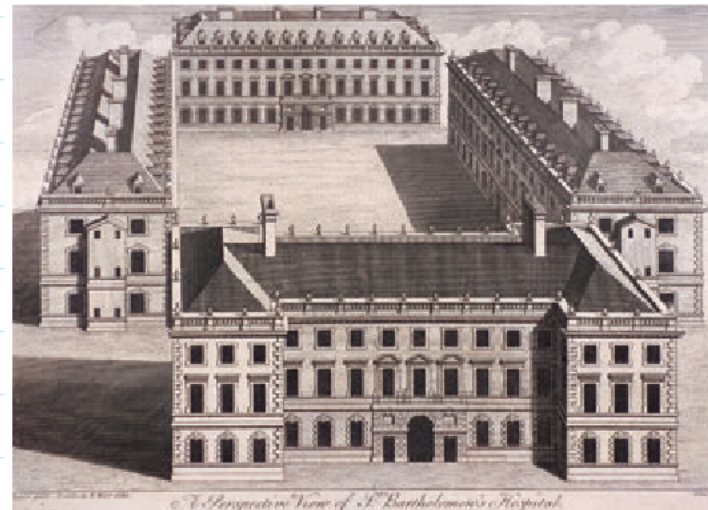
By the beginning of the 16th century, hospitals were starting to serve a different purpose than they had in mediaeval times. Instead of primarily caring for travellers and pilgrims, they began focusing more on treating genuinely sick people. These institutions started developing their own pharmacies where medicines could be prepared, and doctors began making regular visits to see patients.
Impact of the dissolution of monasteries
Important
A major turning point came in 1536 when Henry VIII dissolved the monasteries across England. This religious and political change had serious consequences for healthcare, as most hospitals had been run by monks and nuns. When the monasteries closed, the majority of hospitals were forced to shut down as well, leaving many communities without medical care facilities.
Development of new hospital types
Following the closure of monastery-run hospitals, some new types of medical facilities emerged. Charitable organisations established free hospitals, though these were limited in number. It wasn't until well into the 1700s that hospital numbers began to recover to their previous levels.
During this period, specialised facilities called pest houses also appeared. These were designed to isolate people suffering from specific contagious diseases, helping to prevent the spread of illness in communities.
Physician-run hospitals
When hospitals did reopen or were newly established, many were managed by qualified physicians rather than religious orders. This represented a shift towards more medically-focused care, though the actual treatments available remained largely unchanged.
Community care practices
Home-based treatment
Just as in mediaeval times, most people who became ill received care in their own homes. This was partly because hospital treatment remained expensive and out of reach for ordinary families. Female family members, typically wives, mothers, or daughters, took on the primary responsibility for nursing sick relatives.
Note
The continuity of home-based care throughout the Renaissance demonstrates how economic and social factors often outweighed medical developments in determining how most people experienced healthcare.
Community support networks
Local communities continued to play an important role in healthcare. Women in particular shared knowledge about herbal remedies and provided advice to their neighbours. Some received payment for their services, creating informal networks of healthcare providers within communities.
Changes in prevention and treatment methods
Public health improvements
Renaissance authorities placed greater emphasis on tackling what they believed were environmental causes of disease. This included efforts to drain swamps and marshes, which were thought to produce harmful miasma (bad air). Communities also focused more on removing sewage and rubbish from populated areas.
Personal hygiene developments
People began to understand the importance of personal cleanliness in preventing illness. Rather than just bathing occasionally, individuals started changing their clothes more regularly as a way to maintain better health.
New herbal treatments
The discovery of new lands and trade routes brought access to different plants and herbs that could be used medicinally. Some of these remedies from newly explored countries proved to be more effective than traditional European treatments.
Theory of transference
A new idea called the theory of transference became popular during this period. People believed they could transfer their illness to objects by rubbing these items against their bodies, supposedly moving the disease away from themselves.
Example
Historical Example: Theory of Transference in Practice
A person suffering from a fever might rub a piece of bread against their forehead, believing the illness would transfer to the bread. They would then dispose of the bread, thinking they had removed the disease from their body. While ineffective, this shows how Renaissance people sought new explanations for illness and recovery.
Chemical treatments and alchemy
The practice of alchemy led to the development of chemical cures using metals and minerals. While these treatments were often ineffective or even harmful, they represented an attempt to move beyond purely herbal remedies.
Why change remained limited
Despite the new knowledge and discoveries of the Renaissance, several factors prevented major improvements in medical care:
Slow acceptance of new ideas
Important
Scientific and medical discoveries took a very long time to be accepted by both doctors and ordinary people. Traditional beliefs about disease and treatment were deeply rooted in society.
Limited practical application
Many Renaissance discoveries had no direct connection to improving treatment methods or preventing disease. The new knowledge often remained theoretical rather than practical.
Lack of understanding about disease causes
Important
Perhaps most importantly, Renaissance physicians and scientists still did not understand what actually caused diseases. Without this fundamental knowledge, their discoveries could not lead to truly effective treatments or preventions.
Continuing traditional approaches
Throughout the Renaissance period, people maintained their reliance on established methods:
- Traditional herbal remedies remained the most common form of treatment
- Bleeding and purging continued to be standard medical practices
- Prayer and superstitions still played important roles in how people approached illness
- Cleanliness remained valued, though understanding of why it helped was limited
Note
The persistence of these traditional methods alongside new discoveries illustrates the complex nature of medical progress during the Renaissance period.
Timeline of key events
- c1500: Hospitals begin focusing more on treating the sick rather than caring for travellers
- 1536: Henry VIII dissolves the monasteries, causing most hospitals to close
- c1550-1650: Pest houses develop to isolate people with contagious diseases
- c1600s: Some charity-funded hospitals established, though numbers remain low
- c1700s: Hospital numbers begin to recover to pre-dissolution levels
Summary
Key Points to Remember:
- Limited change: Despite Renaissance discoveries, most medical treatments and preventions stayed the same as in mediaeval times
- Hospital transformation: Hospitals shifted from religious institutions caring for travellers to medical facilities treating the sick, but many closed after 1536
- Community care continued: Most people still received treatment at home from female family members and community healers
- New methods emerged: Some new treatments appeared (chemical cures, theory of transference) but were often ineffective
- Slow progress: Renaissance knowledge was slow to be accepted and had little immediate impact on preventing or treating disease