Indigenous peoples: society (Edexcel GCSE History): Revision Notes
📚Revision Notes
Indigenous peoples: society
What does 'indigenous' mean?
Indigenous refers to the first people to live in a place. The Indigenous peoples of the Plains (often called Plains Indians) lived on the Great Plains long before American settlers arrived. Major nations included the Sioux, Cheyenne, and Blackfoot tribes, each with their own unique social and tribal structures.
Note
The term "Plains Indians" was used by European settlers and the US government, but Indigenous peoples had their own names for their nations and tribes. These diverse groups shared similar lifestyles adapted to the Great Plains environment, but maintained distinct cultures and languages.
How Indigenous society was organised
Indigenous society had a clear structure built around four main levels: bands, chiefs, tribes, and warrior societies. This organisation was very different from white American society and focused on survival, cooperation, and shared decision-making.
Note
Understanding this social structure is essential for recognising how Indigenous communities functioned as cohesive, democratic societies with sophisticated governance systems that had evolved over centuries.
Bands - the basic building blocks
Bands were the most important social unit in Indigenous society. Most people in a band were related to each other, creating strong family bonds that held the group together. Each band was led by a chief and had a council of advisers who helped make important decisions.
The survival and protection of the entire band was seen as more important than any individual person's needs. This meant that everyone worked together and supported each other, especially during difficult times like harsh winters or conflicts with other groups.
Chiefs - chosen leaders, not rulers
Unlike European kings or American presidents, Indigenous chiefs were not permanent rulers with absolute power. Instead, they were chosen because of their wisdom, skills as warriors, or abilities as hunters. Chiefs could lose their position if they made poor decisions or lost the respect of their people.
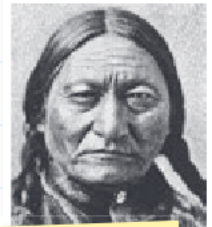
Chiefs worked closely with councils to decide where their bands should travel, what should happen to people who broke customs and traditions, and how to respond to threats. However, the rest of the tribe did not have to obey these decisions if they disagreed - this was very different from how white American society worked.
Important
Critical Difference from European Leadership
This consensual leadership system was fundamentally different from European monarchies or American democratic systems. Indigenous leaders served their communities rather than ruling over them, and their authority depended entirely on maintaining the respect and agreement of their people.
Tribes - bands working together
Bands that belonged to the same tribe supported each other during crises and emergencies. Each year, tribal meetings brought all the bands together to discuss important issues like arranging marriages, trading horses, and planning for the future.
Chiefs and elders from different bands formed tribal councils that advised the overall tribal chiefs. Some tribes, like the Lakota Sioux, were part of even larger groups called nations, which could include many different tribes working together.
Warrior societies - the elite protectors
The best and most skilled warriors from each band formed special warrior societies. These elite groups had important responsibilities: they supervised hunting expeditions, protected their bands from attacks, and led short raids against enemies.
All military decisions, including wars and raids, were led by the warrior society working with the band's council. This meant that no single person could decide to start a conflict - it required group agreement and planning.
How decisions were made
Important
Consensus-Based Decision Making
Indigenous society used a very different approach to leadership compared to white American society. No decision could be made until everyone at the council had agreed to it. If people disagreed, discussions would continue until they found a solution that everyone could accept.
This consensus-based system meant that chiefs and elders were often guided by spiritual visions and dreams when making important choices. The focus was on finding decisions that would benefit the entire community rather than just a few powerful individuals.
Roles within the band
Indigenous bands saw every member as equally important for survival, but people had different responsibilities based on their age and gender.
Men were responsible for hunting animals and fighting enemies when necessary. Women made clothing, prepared food, and took care of the family's home and possessions. Children were taught the skills they would need as adults by their parents and other band members. Elders were highly respected for their wisdom and played a crucial role in preserving knowledge and traditions.
Note
This division of labour was based on practical survival needs and ensured that all essential skills were passed down through generations. Both men's and women's roles were considered vital to the band's survival and success.
Consequences of misunderstanding
The US government seriously misunderstood how Indigenous society worked, which led to major problems. Government officials thought that if a chief signed a treaty, his entire tribe would automatically obey its terms. However, this was not how Indigenous leadership functioned.
Example
Historical Example: The Red Cloud Treaty
When Chief Red Cloud signed a treaty in 1868, many Lakota Sioux bands followed Chief Sitting Bull, who opposed the agreement. This created conflicts because the US government expected all Lakota people to follow the treaty, but Indigenous society didn't work that way.
The government also tried to break up Indigenous society by moving children to schools far away from their tribes. When children couldn't learn the skills and traditions of their bands, it damaged the entire social structure that had kept Indigenous communities strong for generations.
Important
Long-term Impact of Cultural Disruption
These misunderstandings and deliberate attempts to disrupt Indigenous social structures had devastating consequences that affected Indigenous communities for generations, breaking down traditional knowledge systems and weakening community bonds.
Remember!
Summary
Key Points to Remember:
-
Indigenous society was organised around bands - small groups of related families led by chiefs and councils who made decisions together
-
Chiefs were chosen for their skills and wisdom, not born into power, and people didn't have to obey them if they disagreed
-
Tribes were collections of bands that supported each other during difficult times and met annually to discuss important issues
-
Warrior societies protected the bands and supervised hunting and military activities with input from councils
-
The US government misunderstood Indigenous leadership, thinking chiefs had absolute power like white American leaders, which caused serious conflicts and problems