Cell Specialisation (OCR GCSE Biology A (Gateway Science Suite)): Revision Notes
📚Revision Notes
1.1.3 Cell Specialisation
Note
Cells specialise through differentiation, gaining new structures to perform specific functions. Cells can differentiate once early on or continuously throughout their life (stem cells). In animals, most cells differentiate once, but in plants, many cells retain this ability.
Specialised Cells in Animals:
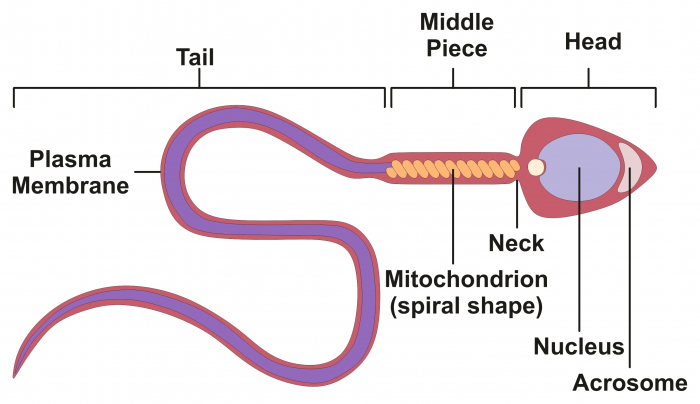
- Sperm Cells:
- Function: Carry the male's DNA to the egg cell for reproduction.
- Adaptations:
- Streamlined head and long tail for swimming.
- Many mitochondria to provide energy for movement.
- Acrosome with digestive enzymes to penetrate the egg cell membrane.
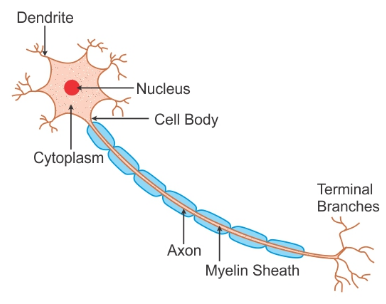
- Nerve Cells:
- Function: Transmit electrical signals quickly across the body.
- Adaptations:
- Long axon for carrying impulses over long distances.
- Dendrites to form connections with other nerve cells.
- Nerve endings with mitochondria to produce neurotransmitters.
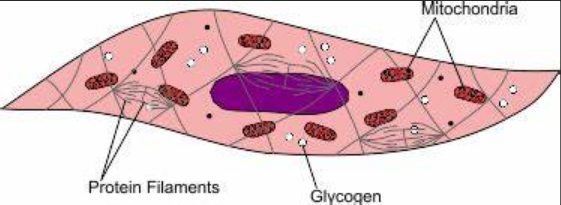
- Muscle Cells:
- Function: Contract to move bones (striated muscle) or squeeze (smooth muscle) to control blood pressure.
- Adaptations:
- Special proteins (myosin and actin) for contraction.
- Many mitochondria for energy production.
- Store glycogen for respiration.
Specialised Cells in Plants:
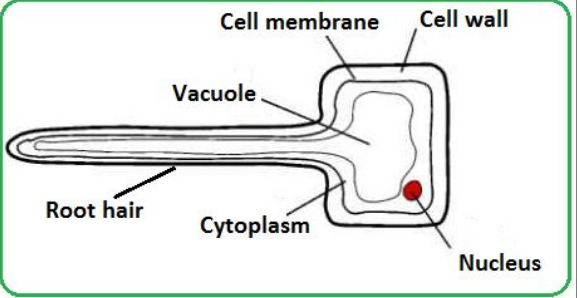
- Root Hair Cells:
- Function: Absorb water by osmosis and mineral ions by active transport from the soil.
- Adaptations:
- Large surface area due to root hairs.
- Large permanent vacuole to speed up water movement.
- Mitochondria for energy to transport mineral ions.
- Xylem Cells:
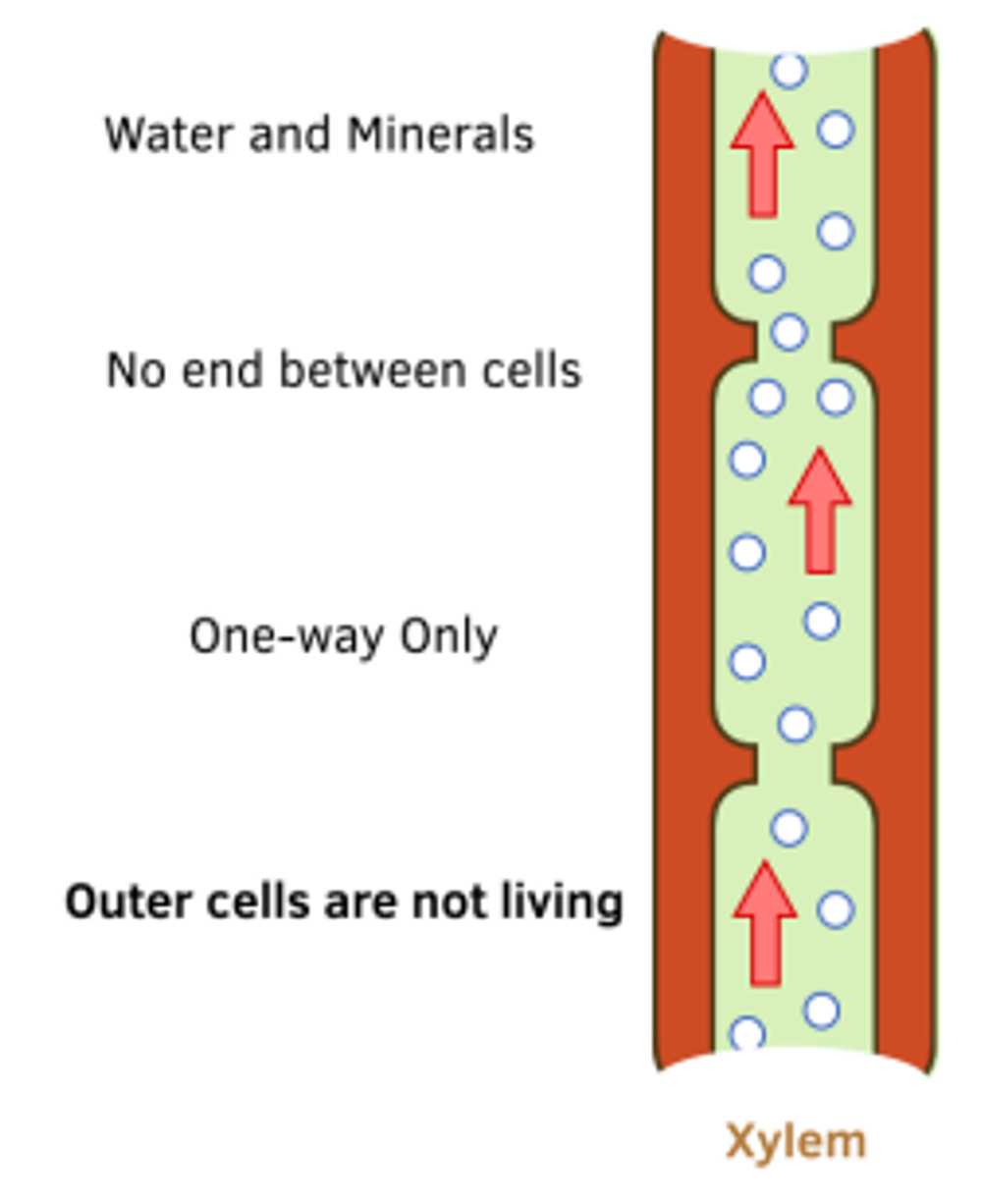
- Function: Transport water and mineral ions from roots to shoots.
- Adaptations:
- Lignin deposition to strengthen cell walls and create a continuous tube.
- Spirals of lignin to withstand water pressure.
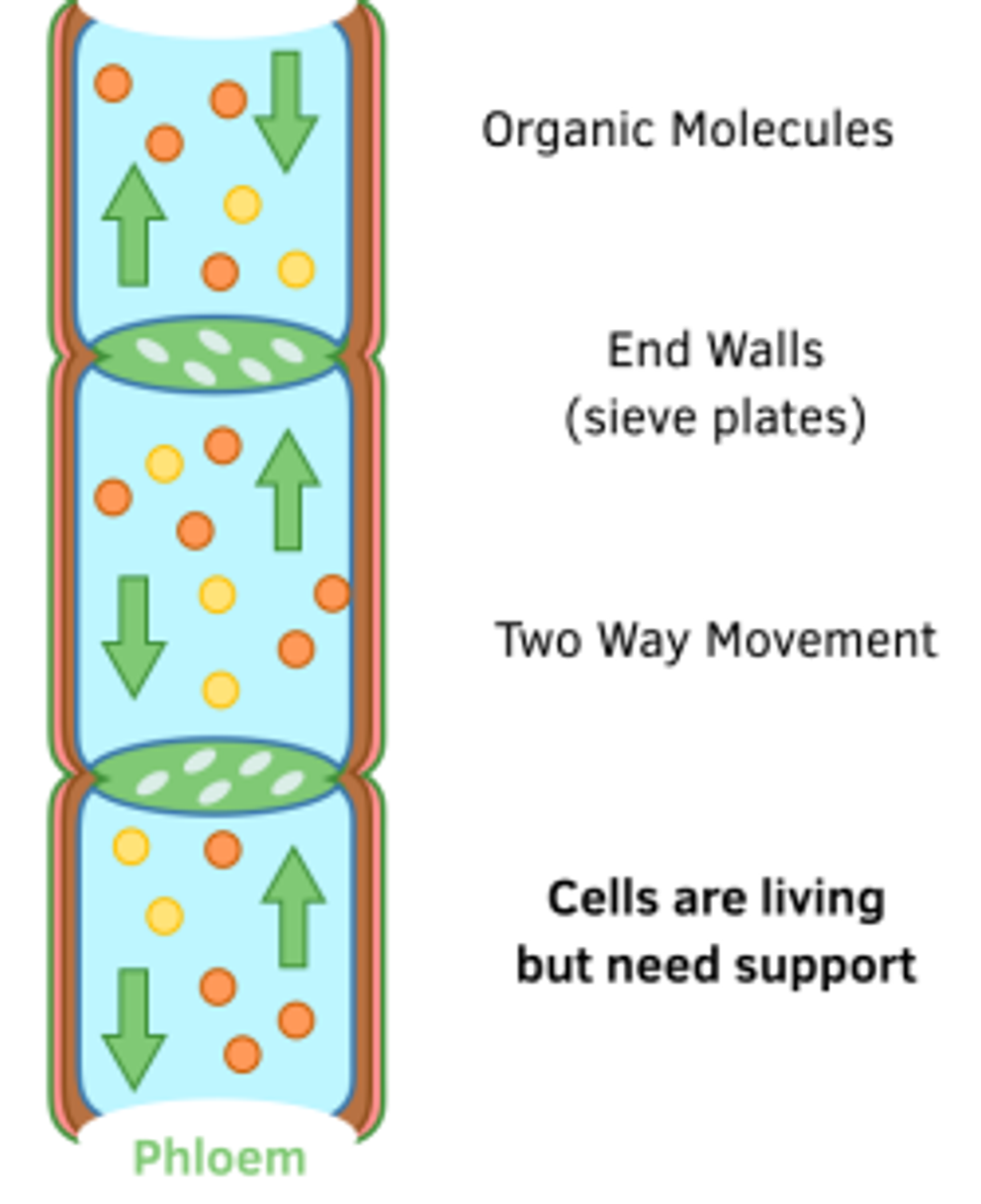
- Phloem Cells:
- Function: Transport products of photosynthesis (food) to all parts of the plant.
- Adaptations:
- Cell walls form sieve plates for substance movement.
- Companion cells with mitochondria provide energy to sieve cells.