Blood Vessels & Blood (OCR GCSE Biology A (Gateway Science Suite)): Revision Notes
📚Revision Notes
2.2.3 Blood Vessels & Blood
Note
Blood is made up of plasma, red blood cells, white blood cells and platelets.
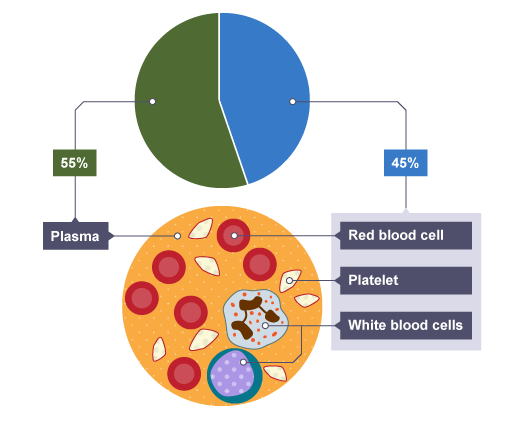
- Plasma
- This is liquid that carries the components in the blood: red blood cells, white blood cells, platelets, glucose, amino acids, carbon dioxide, urea, hormones, proteins, antibodies and antitoxins
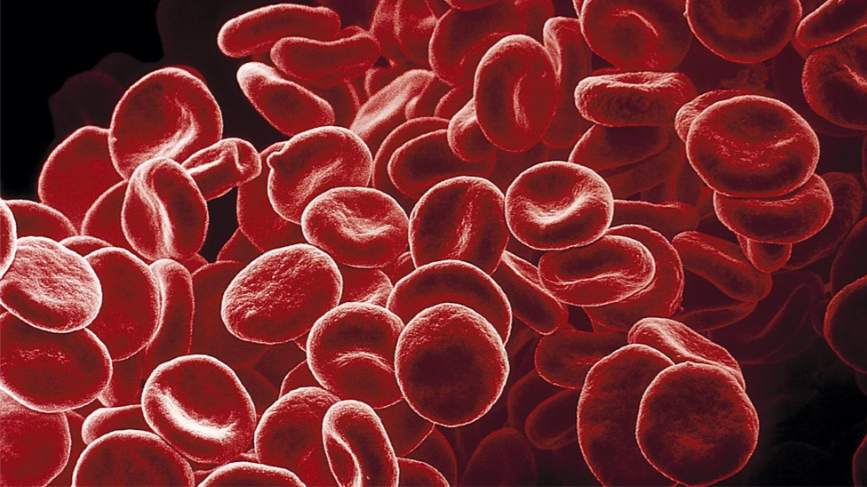
- Red blood cells
- They carry oxygen molecules from the lungs to all the cells in the body
- Their bioconcave disc shape provides a large surface area
- They have no nucleus allowing more room to carry oxygen
- They contain the red pigment haemoglobin, which binds to oxygen and forms oxyhaemoglobin
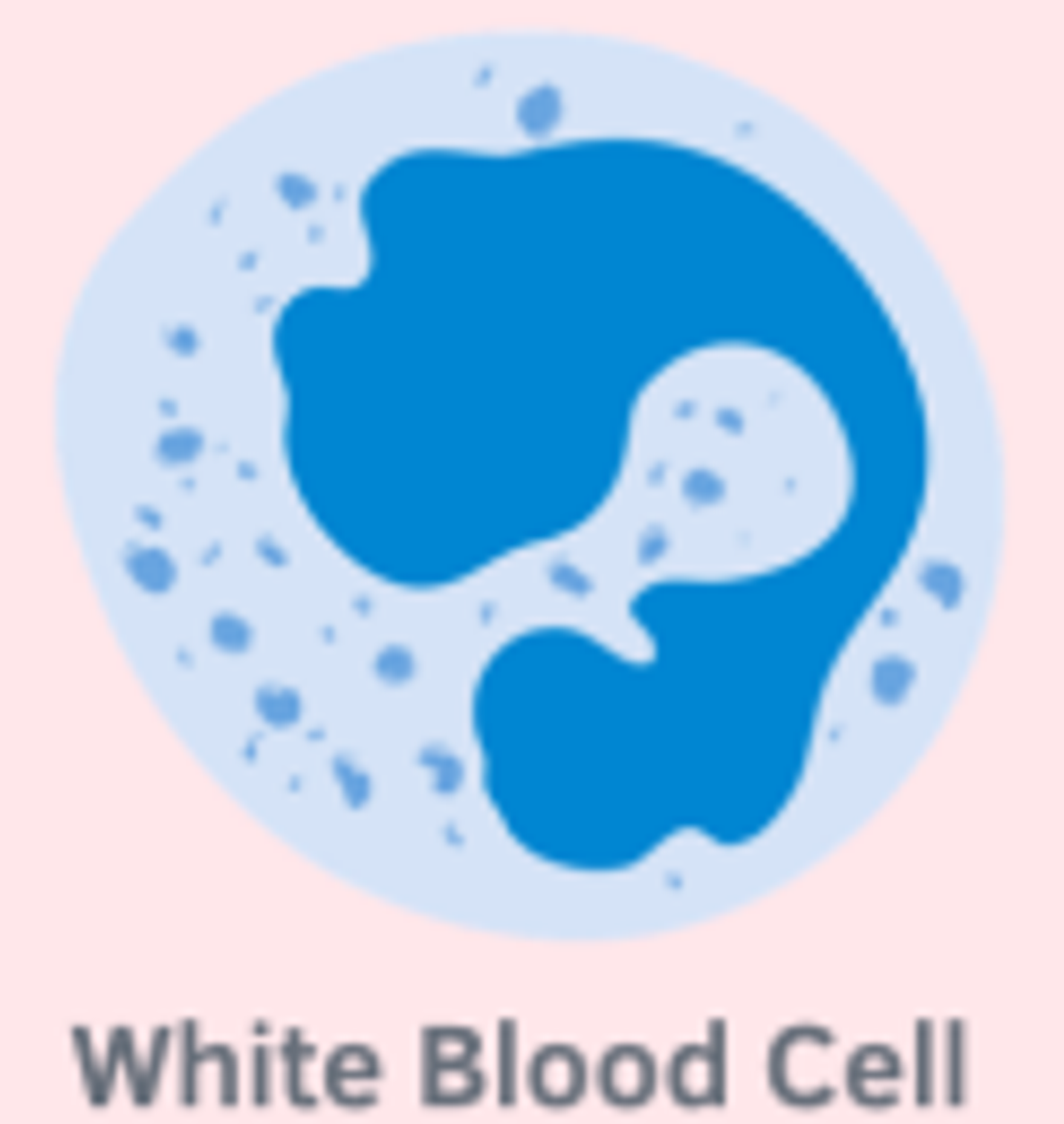
- White blood cells
- They are a part of the immune system, which is the body's defence against pathogens (microorganisms that can produce disease)
- They have a nucleus
- There are a number of types:
- Those that produce antibodies (small proteins that clump them together) against microorganisms
- Those that engulf and digest pathogens
- Those that produce antitoxins to neutralise toxins (poisons) produced by microorganisms
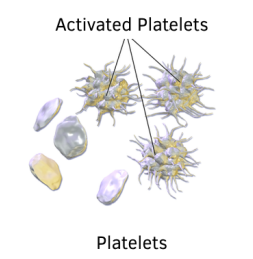
- Platelets
- They help the blood clot form at the site of a wound
- The clot dries and hardens to form a scab, which allows new skin to grow underneath while preventing microorganisms from entering
- Small fragments of cells
- No nucleus
- Without them, cuts would result in excessive bleeding and bruising