Using Fossil Fuels for Energy (OCR GCSE Geography B (Geography for Enquiring Minds)): Revision Notes
📚Revision Notes
Using fossil fuels for energy
Learning objectives
Note
You need to understand:
- How energy is obtained through deforestation and mining activities
- The ways in which natural environments and ecosystems are altered by resource extraction
- The environmental impacts of increasing global demand for energy resources
Deforestation and energy supplies
Wood as an energy source
Approximately 2 billion people worldwide depend on wood as their primary source of energy. This wood is obtained by cutting down trees, which often requires large-scale forest clearance known as deforestation. When forests are cleared for fuel wood, entire ecosystems are disrupted and altered. The plants, animals, and insects that inhabit these forest areas lose their natural habitats, leading to biodiversity loss and ecosystem degradation.
Mining for fossil fuels
The extraction of fossil fuels such as coal frequently involves deforestation on a massive scale. Tropical rainforests, which contain substantial deposits of fossil fuels, are particularly vulnerable to this process. Open-cast mining represents one of the most destructive extraction methods, as it requires the complete removal of forest cover to access coal seams located beneath the surface. This industrial process strips away vegetation, soil, and rock layers to reach the fossil fuel deposits underground.
Note
Understanding Open-Cast Mining:
Open-cast mining is particularly destructive because it involves:
- Complete removal of forest vegetation
- Stripping away of topsoil and surface layers
- Permanent alteration of landscape
- Destruction of entire habitat areas
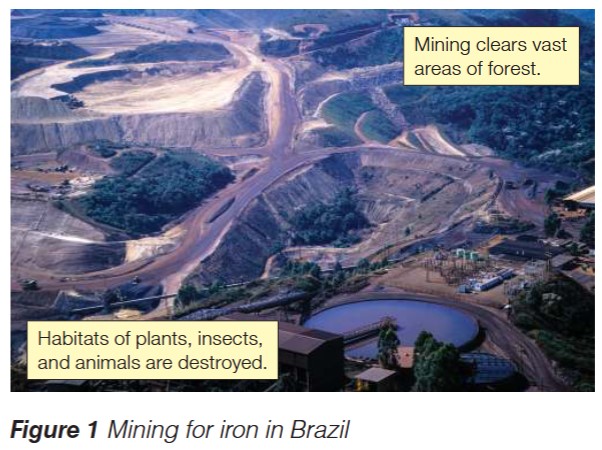
The image above shows an example of iron mining in Brazil, demonstrating how mining operations clear vast forest areas and completely destroy the habitats of plants, insects, and animals. The environmental footprint of such operations extends far beyond the immediate extraction site.
Mining and pollution
Mining activities generate multiple forms of pollution that fundamentally change ecosystems by harming or killing plants, animals, and insects. These different pollution types work together to create widespread environmental damage.
Soil pollution
Chemical substances from mining operations seep into the surrounding soil, poisoning vegetation and drastically reducing the variety and abundance of plant, animal, and insect species. This contamination can persist for decades, preventing natural ecosystem recovery.
River pollution
Toxic chemicals from mining sites are frequently washed into nearby rivers and streams through rainfall and surface runoff. These pollutants kill fish populations and aquatic plant species, destroying freshwater ecosystems. The contamination can spread far downstream, affecting communities and wildlife far from the original mining site.
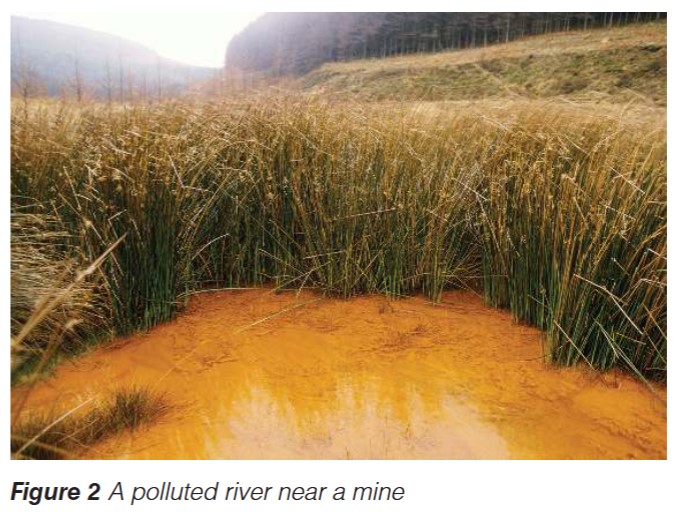
This photograph illustrates a polluted river near a mining operation, showing the characteristic orange-brown discolouration caused by acidic drainage and chemical contamination.
Groundwater pollution
Chemical substances from mines can penetrate deep underground, contaminating groundwater reserves that supply water to plants and entire ecosystems. This form of pollution is particularly concerning because groundwater moves slowly and contamination can persist for extremely long periods.
Ocean pollution
Oil extraction in oceanic environments occasionally results in catastrophic leaks releasing millions of barrels of crude oil into marine ecosystems. These spills kill fish, dolphins, sea turtles, and numerous other marine species, whilst also contaminating coastlines and destroying vital habitats.
Air pollution
Mining operations release dust particles containing hazardous chemicals into the atmosphere surrounding extraction sites. This airborne pollution contaminates the air quality, eventually settling and polluting both soil and water resources in the surrounding area.
Important
Exam Tip: Remembering Pollution Types
When answering questions about mining pollution, use the mnemonic SGROA to remember the five types:
- Soil pollution
- Groundwater pollution
- River pollution
- Ocean pollution
- Air pollution
This can help ensure you provide comprehensive answers in exam questions asking you to describe or explain environmental impacts.
Remember!
Summary
Key Points to Remember:
- Approximately 2 billion people globally rely on wood obtained through deforestation as their main energy source
- Mining for fossil fuels, particularly through open-cast methods, requires extensive deforestation that destroys entire ecosystems and wildlife habitats
- Mining creates five main types of pollution (soil, groundwater, river, ocean, and air) that each harm ecosystems in different ways
- Chemical pollutants from mining kill vegetation, fish, marine wildlife, and reduce biodiversity across affected areas
Note
Key Terms:
- Deforestation: The large-scale clearing of forested areas, typically for resource extraction or fuel wood
- Ecosystem: A community of plants, animals, and insects living together in a particular environment
- Open-cast mining: A surface mining method that involves removing all vegetation and surface layers to access fossil fuel deposits beneath Critical Processes:
- Resource extraction through deforestation and mining modifies natural ecosystems by destroying habitats
- Multiple pollution pathways (soil, water, air) spread environmental damage from mining sites to surrounding areas
- Chemical contamination reduces biodiversity and ecosystem health through both immediate and long-term effects