Crimes and criminals in medieval Britain (OCR GCSE History B (Schools History Project)): Revision Notes
📚Revision Notes
Crimes and criminals in mediaeval Britain
Crimes and criminals
Note
During the Mediaeval period, people committed all sorts of crime. From petty stealing of bread and poultry to more serious such as murder. Crimes were typically committed by the peasantry or those ranked the lowest in the social hierarchy.
Kinds of crime in Mediaeval England

Arson This was a serious crime as most buildings were made of wood and thatch.

Poaching An act of hunting on land owned by others. During this period, hunting required a royal license.

Petty theft A form of theft of low value goods such as bread, ale, etc.

Treason Disloyalty to the crown and the state resulted in being hung, drawn and quartered.

Murder An unlawful act of killing someone. Men were executed, while women were strangled then burned.

Stealing Crops Growing food was a big task, so stealing someone's crops was punishable with mutilation or having a hand cut off.
Nature of mediaeval crimes
Just like in today's world, a wide range of crimes were committed in mediaeval times. These could be split into three groups:

Attacking Royal Officials
Intimidation and murder of royal officials due to social economic and political discontent.

Protest
Due to extreme poverty and political discontent, rebels plot protests and attacks against officials, lords and monarchs

Rebellion
The poorest affected by taxation or injustice rebelled. It was difficult to punish and leaders were usually executed.

Crimes against the person
These included assault and murder.

Crimes against property
These included burglary and arson.

Crimes against authority
The most serious crime against authority was treason.
Medieval crimes in pictures
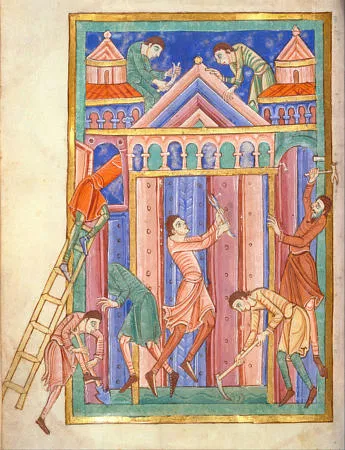
In this 12th-century image, eight thieves are miraculously paralysed when they attempt to break into the Church of St. Edmund
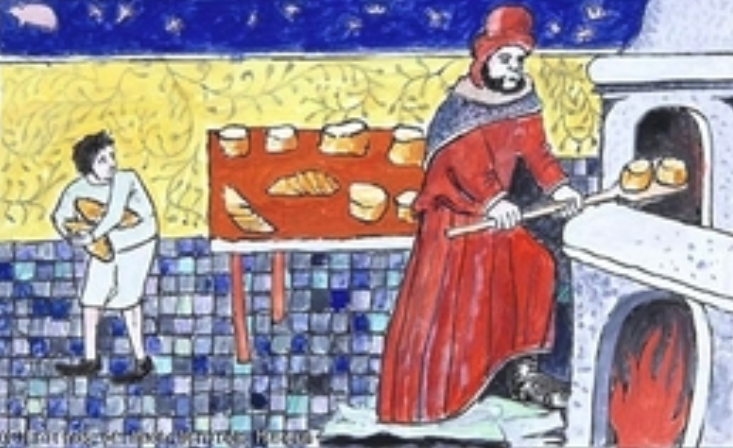
Artist interpretation of a peasant stealing bread