Moist Cooking Methods (Junior Cert Home Economics): Revision Notes
📚Revision Notes
Moist Cooking Methods
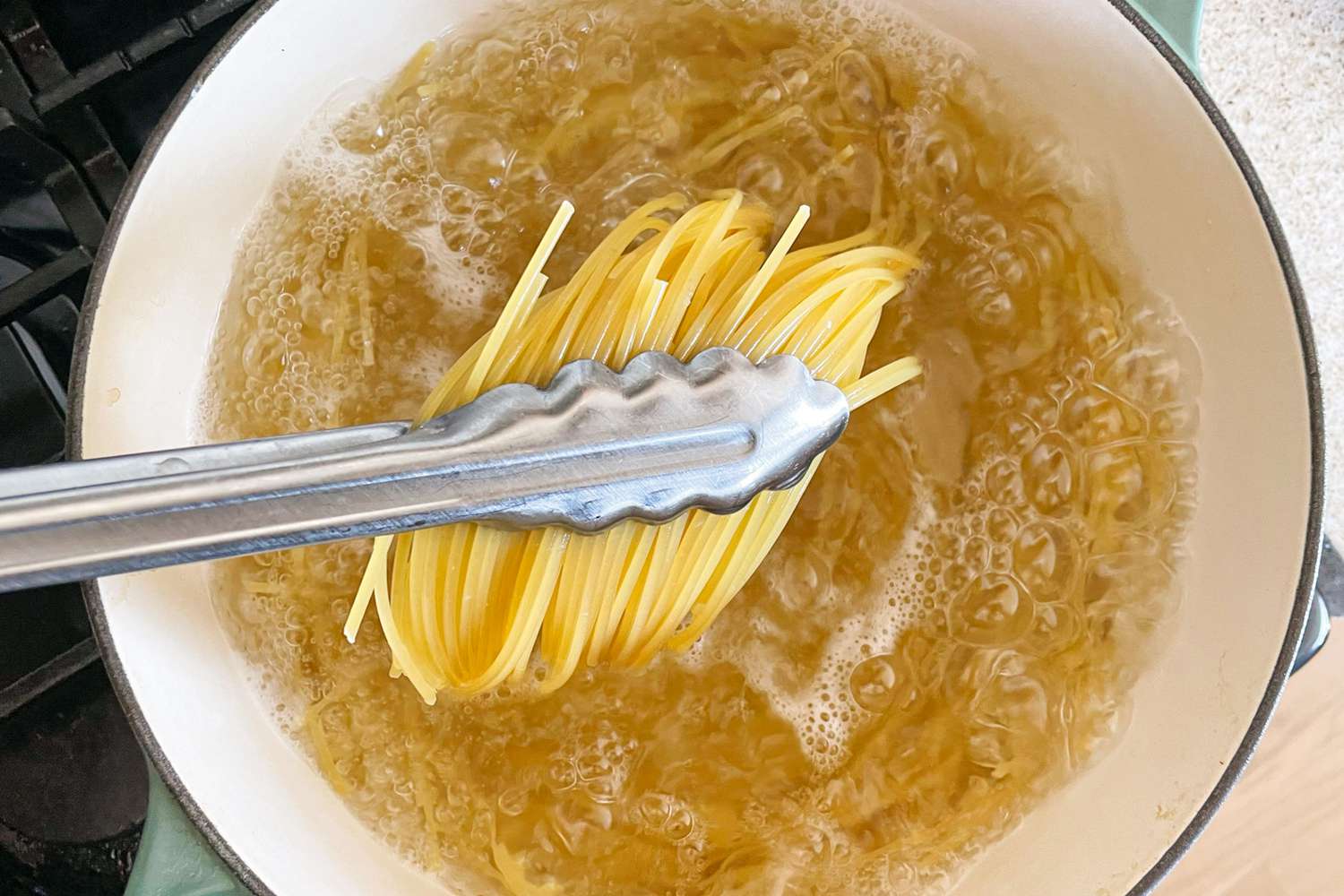
- Boiling
- Definition: Food is cooked in rapidly bubbling liquid in a saucepan on the hob.
- Guidelines:
- Keep pasta boiling to prevent sticking.
- Bring food to boil first, then reduce to simmer.
- Advantages: ✓ Food stays moist. ✓ Easy for beginners and requires little attention. ✓ No fat added.
- Disadvantages: ✗ Loss of nutrients. ✗ No extra flavour added.
- Suitable Foods: Vegetables, rice, pasta, meat, eggs.
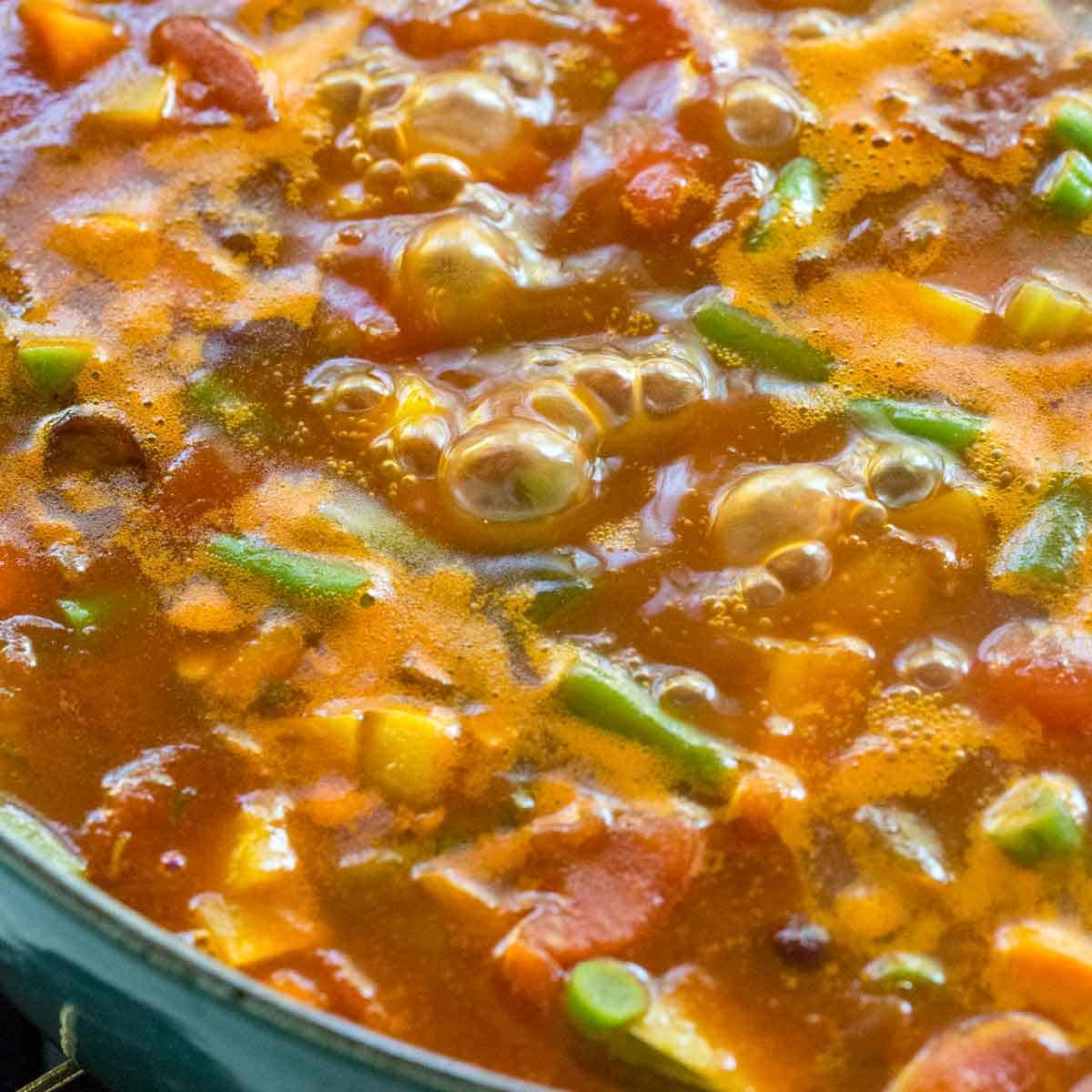
- Simmering
- Definition: Food is cooked gently at around 90°C.
- Guidelines:
- Use a heavy saucepan with a tight-fitting lid.
- Use minimal liquid.
- Cook vegetables, rice, and pasta until al dente.
- Advantages: ✓ Food stays moist. ✓ Reduces risk of overcooking.
- Disadvantages: ✗ No extra flavour added.
- Suitable Foods: Vegetables, rice, pasta.
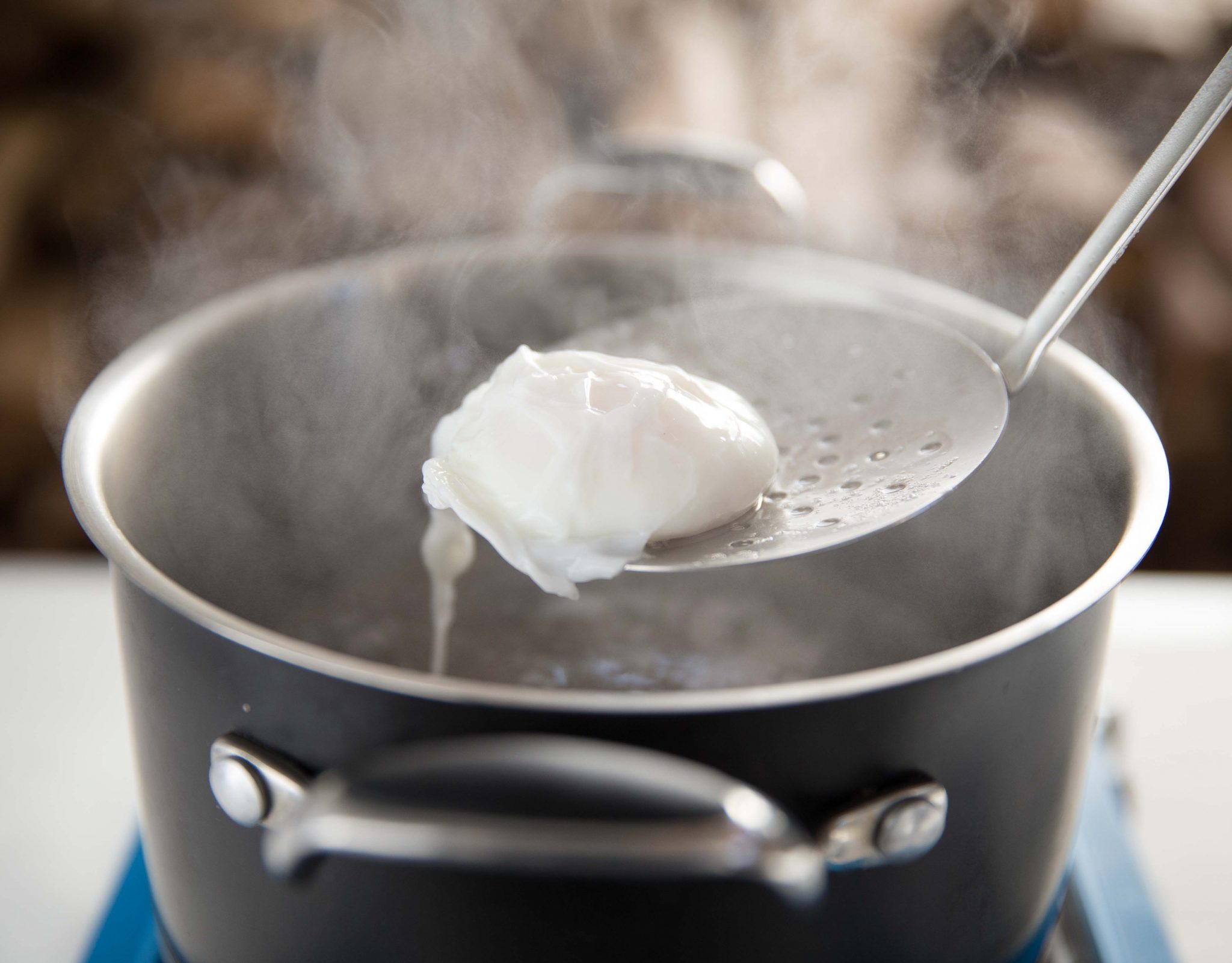
- Poaching
- Definition: Food is cooked at a temperature just below simmering (around 85°C).
- Guidelines:
- Avoid overheating as food can break apart.
- Poach in flavoured liquid for extra taste.
- Advantages: ✓ Food stays moist. ✓ No fat added.
- Disadvantages: ✗ Food can break apart if not watched.
- Suitable Foods: Gentle cooking foods like fish, eggs, apples, and pears.
- Steaming
- Definition: Steam from boiling water cooks food suspended over it, often in a saucepan, electric tiered steamer, or microwave steamer.
- Guidelines:
- Ensure water does not touch the food.
- Advantages: ✓ Healthy method as no fat is added. ✓ Food retains digestibility. ✓ Multiple meals can be cooked in tiered steamers. ✓ Requires minimal attention.
- Disadvantages: ✗ Minimal flavour added. ✗ Microwave steamers cook only small portions.
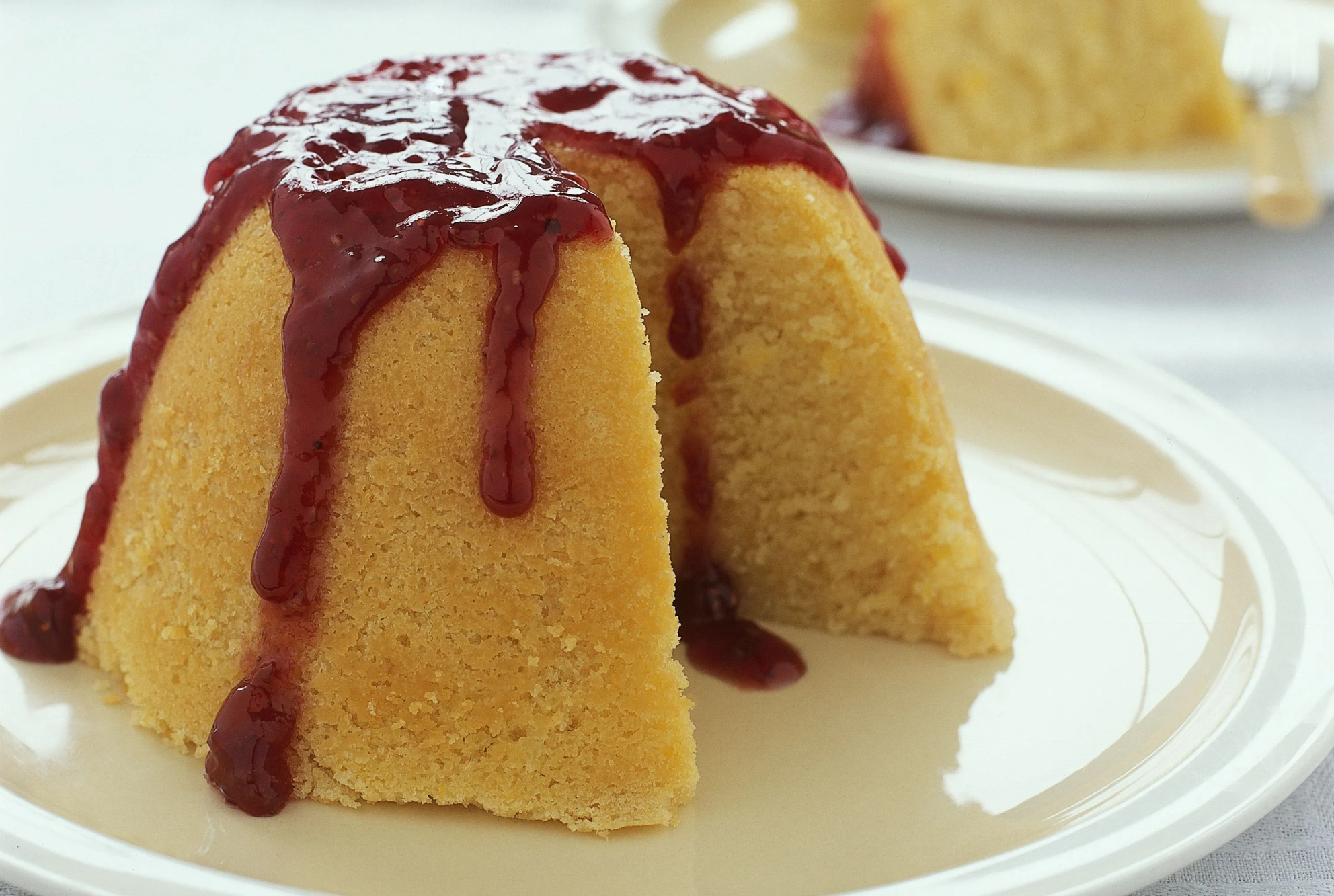
- Suitable Foods: Vegetables (e.g., broccoli), fish (e.g., cod), puddings.
- Stewing
- Definition: Food is cooked slowly in liquid at low temperatures, typically in a saucepan.
- Guidelines:
- Maintain low temperature.
- Use a heavy saucepan with a tight-fitting lid.
- Advantages: ✓ Cost-effective as cheap cuts of meat can be used. ✓ Cooking liquids can be flavourful. ✓ Requires minimal attention.
- Disadvantages: ✗ Slow cooking process.
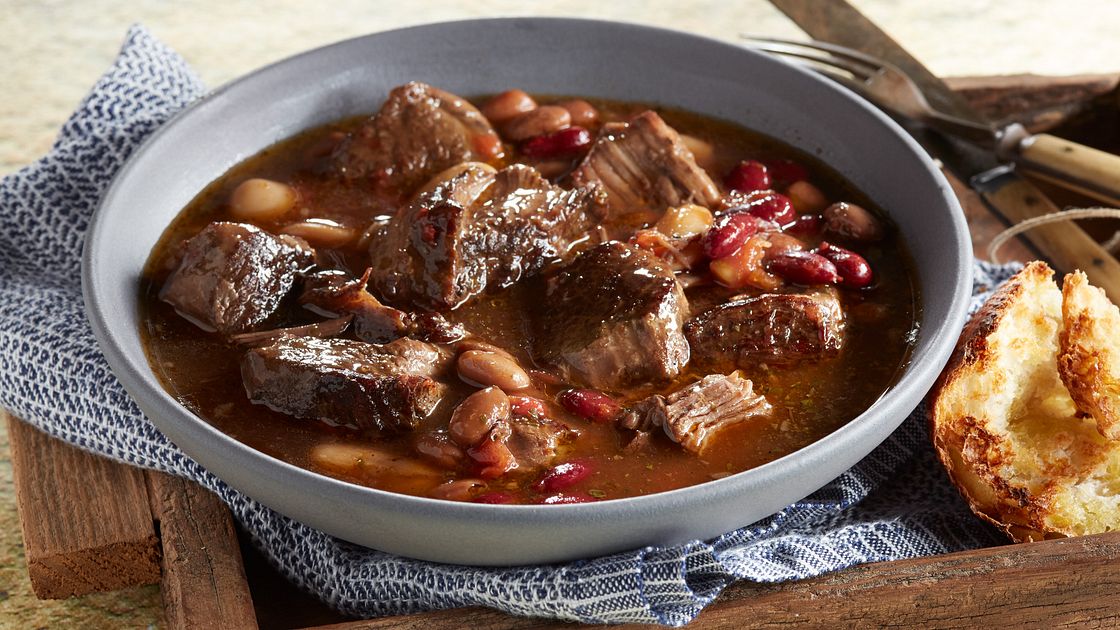
- Suitable Foods: Tough cuts of meat (e.g., round steak), vegetables (e.g., carrots), fruits, and apples.
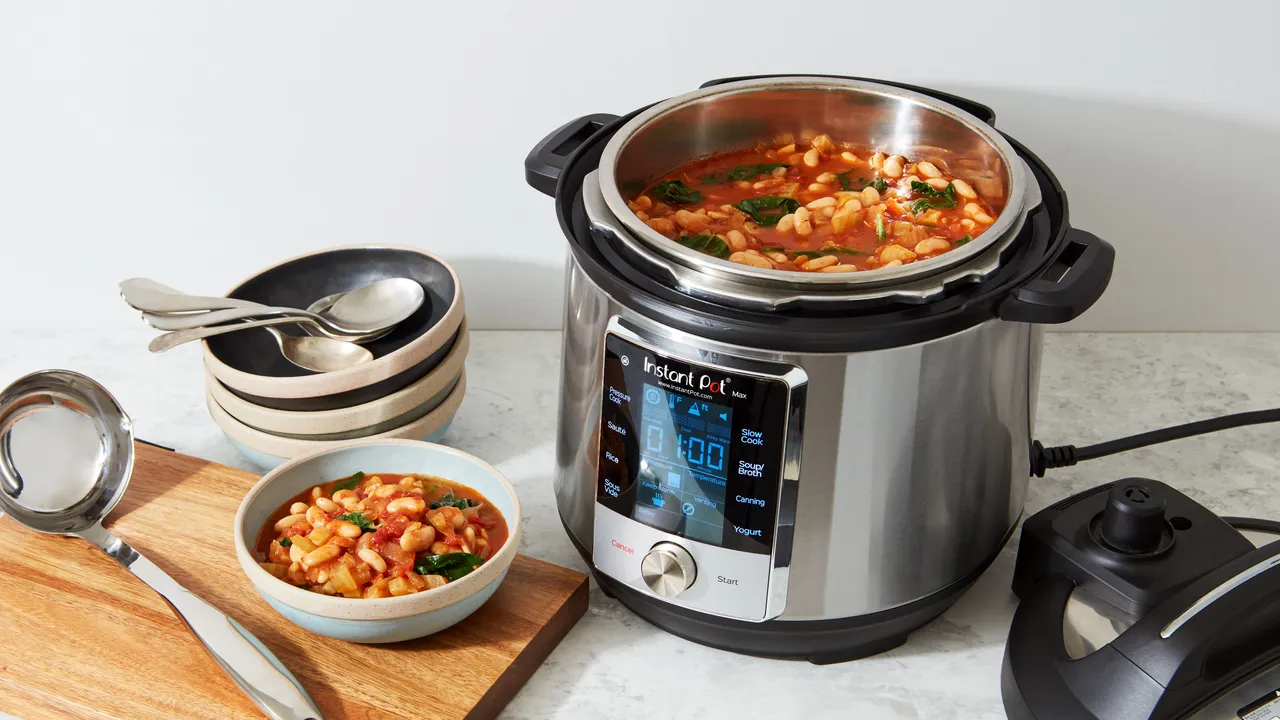
- Pressure Cooking
- Definition: Cooking occurs with water under high pressure, reaching up to 121°C. This method speeds up the cooking process.
- Guidelines:
- Follow manufacturer instructions.
- Avoid overfilling the cooker.
- Allow pressure to release before opening.
- Advantages: ✓ Quick cooking. ✓ Cost-effective for long-cooking dishes (e.g., stews).
- Disadvantages: ✗ Can be dangerous if instructions are not followed.
- Suitable Foods: Vegetables (e.g., potatoes), soups, stocks, stews, and puddings.