Ethical & Economic Considerations (Leaving Cert Agricultural Science): Revision Notes
📚Revision Notes
Ethical & Economic Considerations
When managing crops in modern agriculture, farmers and policymakers must carefully consider both the ethical implications and economic impacts of different approaches, particularly when it comes to agricultural biotechnology and genetically modified crops. Understanding these considerations is crucial for making informed decisions about sustainable farming practices.
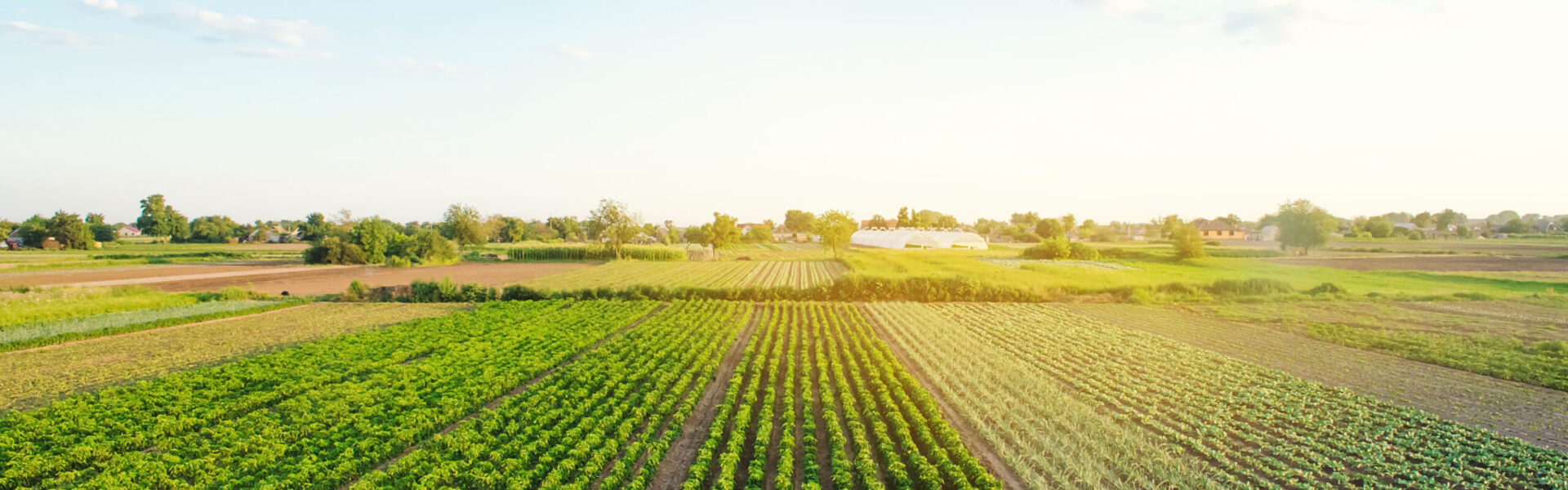
Economic factors in agricultural biotechnology
The economic aspects of using biotechnology in crop production present both opportunities and challenges for farmers and the agricultural sector as a whole.
Potential economic benefits include significantly increased crop yields and improved efficiency. Biotechnology crops can help reduce losses from pests and diseases, leading to lower chemical input costs over time. This improved market competitiveness can enhance profitability and create new global trade opportunities for farmers who adopt these technologies.
Note
The economic benefits of biotechnology are often most pronounced in large-scale farming operations where the initial investment costs can be spread across larger crop areas, making the technology more cost-effective per unit of production.
However, there are also economic concerns to consider. The initial costs of adoption can be substantial, including high research and development fees, expensive licensing agreements, and ongoing dependence on seed companies for annual purchases. Additionally, there's the risk that pests and pathogens may eventually evolve resistance to biotech traits, potentially reducing their effectiveness over time. Consumer acceptance remains variable, with resistance to genetically modified products in some markets potentially affecting demand and creating trade barriers.
Important
Economic Risk Alert: Farmers considering biotechnology adoption must carefully evaluate their specific market conditions, as consumer resistance in certain regions can significantly impact the economic viability of biotech crops, regardless of their technical performance.
Ethical considerations in crop biotechnology
The ethical dimensions of agricultural biotechnology involve complex questions about food safety, environmental responsibility, and social justice.
Food safety concerns centre around the debate between rigorous safety testing protocols and concerns about unknown long-term health effects. While biotechnology companies and regulatory bodies maintain strict safety standards, some argue that we cannot fully understand the long-term consequences without more extensive testing periods.
Environmental considerations present a mixed picture. On one hand, biotechnology can reduce pesticide use, potentially leading to more sustainable farming practices. On the other hand, there are legitimate concerns about impacts on biodiversity, risks of cross-pollination with wild plant species, and the potential for creating "superweeds" resistant to herbicides.
Note
The environmental impact of biotechnology is highly context-dependent. While some biotech crops have successfully reduced pesticide applications, the overall environmental benefit depends on factors such as local ecosystem conditions, farming practices, and the specific traits introduced.
Social and economic equity issues focus on farmer independence and access to technology. The traditional practice of seed-saving becomes complicated when farmers become dependent on corporations for patented seeds. This raises questions about whether biotechnology increases the gap between wealthy and poor farmers, both locally and globally.
The naturalness debate explores fundamental questions about whether altering plant DNA through genetic engineering crosses ethical boundaries, or whether it simply represents a continuation of traditional breeding practices that humans have used for thousands of years.
Important
Ethical Dilemma: The question of what constitutes "natural" in agriculture is central to many ethical debates. Critics argue that genetic engineering represents a fundamental departure from traditional breeding, while supporters contend that it's simply a more precise version of humanity's age-old practice of crop improvement.
Comparing traditional and modern approaches
Understanding the differences between traditional and modern biotechnology helps inform discussions about appropriate applications of each approach.
Traditional methods such as selective breeding, cross-pollination, and tissue culture have been widely accepted by consumers and farming communities. These approaches work within natural genetic boundaries but tend to be slower and less precise than modern alternatives.
Modern biotechnology, including genome editing techniques like CRISPR, offers unprecedented precision, speed, and cost-effectiveness. These methods can introduce traits that might be impossible to achieve through traditional breeding. However, they remain controversial due to concerns about safety, ethics, and corporate control.
Note
The time difference between traditional and modern approaches can be substantial - traditional breeding programmes may take 10-15 years to develop new varieties, while modern biotechnology can potentially achieve similar results in 2-3 years.
The key distinction lies in public acceptance - traditional methods benefit from familiarity and perceived naturalness, while modern methods face scepticism despite their potential advantages.
Weighing up the arguments

This comparison helps illustrate why the debate over agricultural biotechnology remains active and complex. Each argument carries legitimate weight, and the best approach likely involves careful consideration of specific circumstances rather than blanket acceptance or rejection.
The arguments supporting biotechnology emphasise its potential to address global challenges like food security and climate change while reducing environmental impacts through decreased pesticide use. The arguments against focus on precautionary principles, highlighting unknown risks and concerns about corporate concentration in agriculture.
Important
Balanced Decision-Making: The complexity of agricultural biotechnology means that decisions should be made on a case-by-case basis, considering local conditions, specific crops, target markets, and individual farm circumstances rather than applying universal approaches.
Summary
Key Points to Remember:
-
Economic considerations involve balancing potential benefits (higher yields, lower chemical costs) against adoption costs and market acceptance challenges
-
Ethical debates centre around food safety, environmental impacts, farmer independence, and questions about what constitutes "natural" agriculture
-
Traditional methods are slower but widely accepted, while modern biotechnology is faster and more precise but remains controversial
-
Balanced evaluation requires considering both the potential benefits (food security, sustainability, climate adaptation) and risks (unknown long-term effects, farmer dependence, public mistrust)
-
Understanding these considerations helps farmers and policymakers make informed decisions about sustainable crop management strategies