Tissue Culturing (Leaving Cert Biology): Revision Notes
📚Revision Notes
Tissue Culturing
Note
Tissue culturing is the process of growing new tissues, organs, or whole plants from small pieces of plant or animal tissue in a sterile, controlled environment.
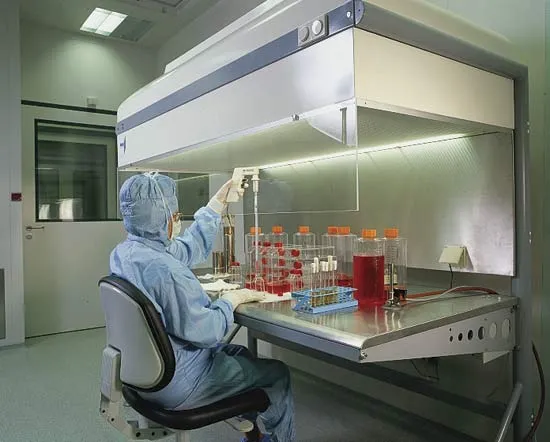
- Aseptic conditions: Carried out in sterile conditions to prevent contamination by bacteria or fungi.
- Nutrient medium: The tissue is placed in a special medium containing nutrients, growth hormones, and sometimes antibiotics.
- Totipotency: Plant cells are totipotent, meaning each cell has the potential to grow into a complete new plant.
- Uses in plants:
- Rapidly produces large numbers of genetically identical plants (clones).
- Conserves rare or endangered plant species.
- Produces disease-free plants.
- Uses in medicine:
- Growing human or animal cells for research.
- Producing monoclonal antibodies for diagnosis and treatment.
- Testing the effects of drugs on tissues before clinical trials.
- Advantages: Quick, produces many copies, disease-free, and can be done year-round.
- Disadvantages: Expensive, requires expertise, and risk of reduced genetic variation in cloned populations.
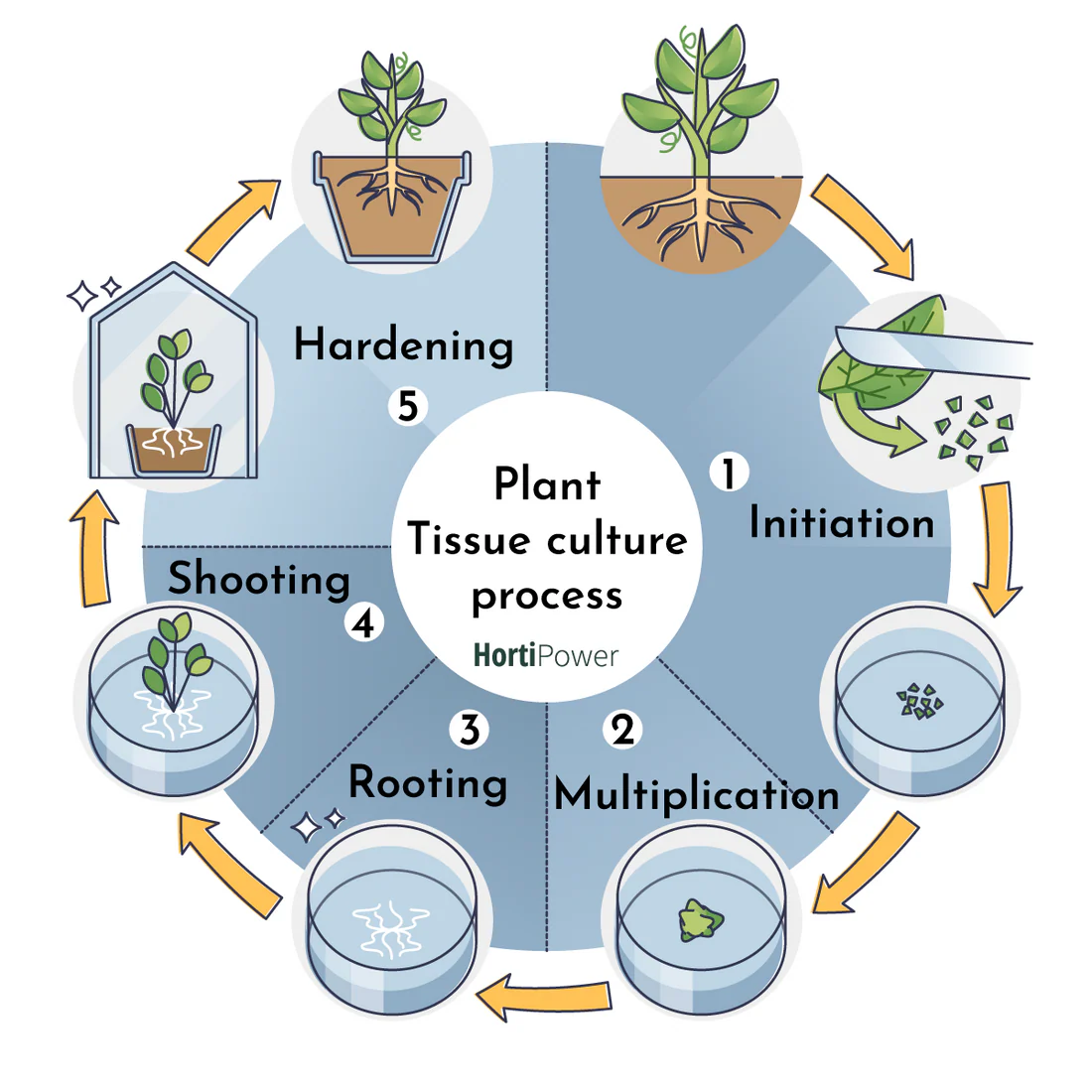
Tissue culturing is used in:
- In vitro fertilisation (IVF)
- Skin grafts
- Vaccine production In plants, it is used for micro-propagation.