Elements of an Ecosystem (Leaving Cert Biology): Revision Notes
📚Revision Notes
Elements of an Ecosystem
An ecosystem is made up of different components that work together to create a balanced environment. Understanding these elements helps us see how energy flows and matter cycles through natural systems.
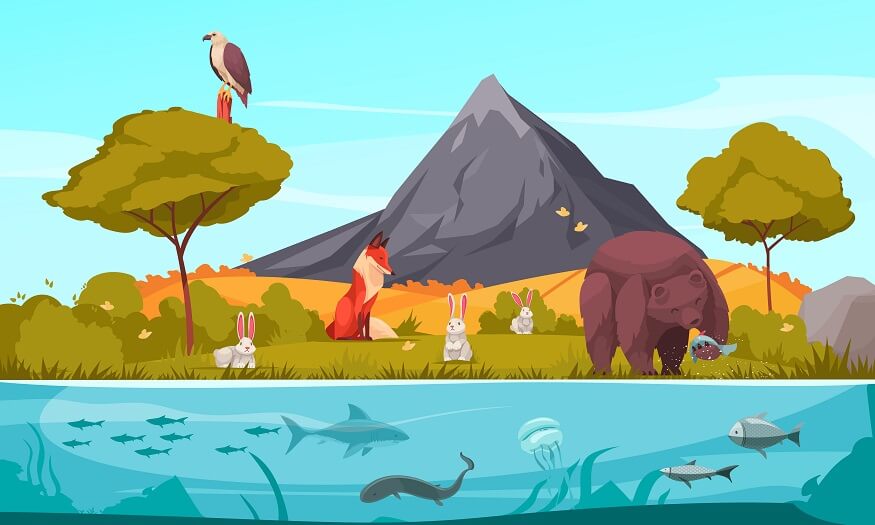
Ecosystem degradation and carrying capacity
Every ecosystem has a carrying capacity - the maximum number of organisms it can support with available resources. When this limit is exceeded, serious problems occur.
Important
When populations grow beyond the carrying capacity, several negative effects happen:
- Resources become scarce and competition increases
- The ecosystem suffers damage that reduces its ability to support life
- Population numbers eventually decline due to lack of resources
- Death rates may increase significantly
Limiting factors
The carrying capacity is controlled by limiting factors that restrict how many organisms can survive in an area. These factors fall into two main categories:
Note
Abiotic factors (non-living elements):
- Water availability
- Oxygen levels
- Temperature ranges
- Soil quality
- Available space
Biotic factors (living elements):
- Food supply
- Disease presence
- Competition between species
- Predator-prey relationships
For example, fish in a stream depend on abiotic factors like oxygen-rich water. If water or oxygen becomes limited, the fish population will decline. Similarly, rabbits depend on biotic factors like adequate food and protection from foxes. When these become scarce, the rabbit population cannot grow.
Competition occurs when organisms struggle for limited resources. This active competition helps control population sizes naturally.
Predation involves one species (the predator) killing and eating another species (the prey). This relationship also helps maintain population balance in ecosystems.
Energy and matter movement
Ecosystems require constant inputs to function properly, with the sun providing the primary energy source for most life on Earth.
Energy flow
Energy moves through ecosystems in one direction only - it cannot be recycled. Here's how it works:
- Plants capture solar energy through photosynthesis
- Energy transfers from plants to plant-eating animals
- Energy then moves to meat-eating animals
- At each step, most energy is lost as heat through respiration and movement
- Only about 10% of energy passes from one level to the next
Example
Energy Flow Example:
Sun → Primary producer → Primary consumer → Secondary consumer → etc.
If a plant captures 1000 units of solar energy:
- The plant uses 900 units for its own growth and metabolism
- Only 100 units are available when a rabbit eats the plant
- When a fox eats the rabbit, only 10 units of the original energy remain
Matter recycling
Unlike energy, matter (nutrients like carbon and nitrogen) gets recycled continuously through ecosystems. When organisms die, decomposers break down their bodies and return nutrients to the soil. Plants then absorb these nutrients to grow, completing the cycle.
Producers
Producers are organisms that make their own food through photosynthesis. They form the foundation of all food chains and are essential for ecosystem survival.
Flora refers to all the plant life in an ecosystem. Producers include:
- Green plants and trees
- Seaweeds and algae
- Microscopic phytoplankton
Note
Producers capture about 1-3% of available sunlight and store this energy in chemical compounds like glucose and starch. Through photosynthesis, they convert carbon dioxide and water into food using solar energy. Most of their captured energy goes towards growth and cellular repair, but they also provide food for all other ecosystem members.
When animals eat plants, they obtain energy that originally came from the sun. This energy then flows through the food chain as animals eat other animals.
Consumers
Consumers are organisms that obtain food by eating other organisms. Fauna refers to all the animal life in an ecosystem.
Primary consumers
Primary consumers feed directly on producers (plants). They are also called herbivores because they eat only plant material.
Primary consumers include:
-
Rabbits eating grass and leaves
-
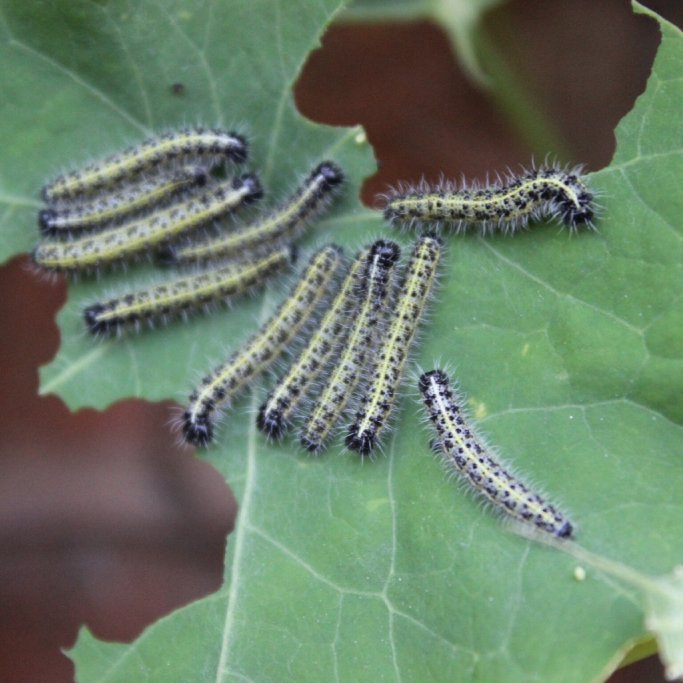
Caterpillars feeding on plant leaves
-
Deer grazing on vegetation
-
Small fish eating algae
Note
These animals have special digestive systems adapted for breaking down plant material and extracting nutrients from cellulose.
Secondary consumers
Secondary consumers eat primary consumers. They are carnivores that feed only on other animals.
Examples include:
-
Foxes hunting rabbits
-
Spiders catching insects
-
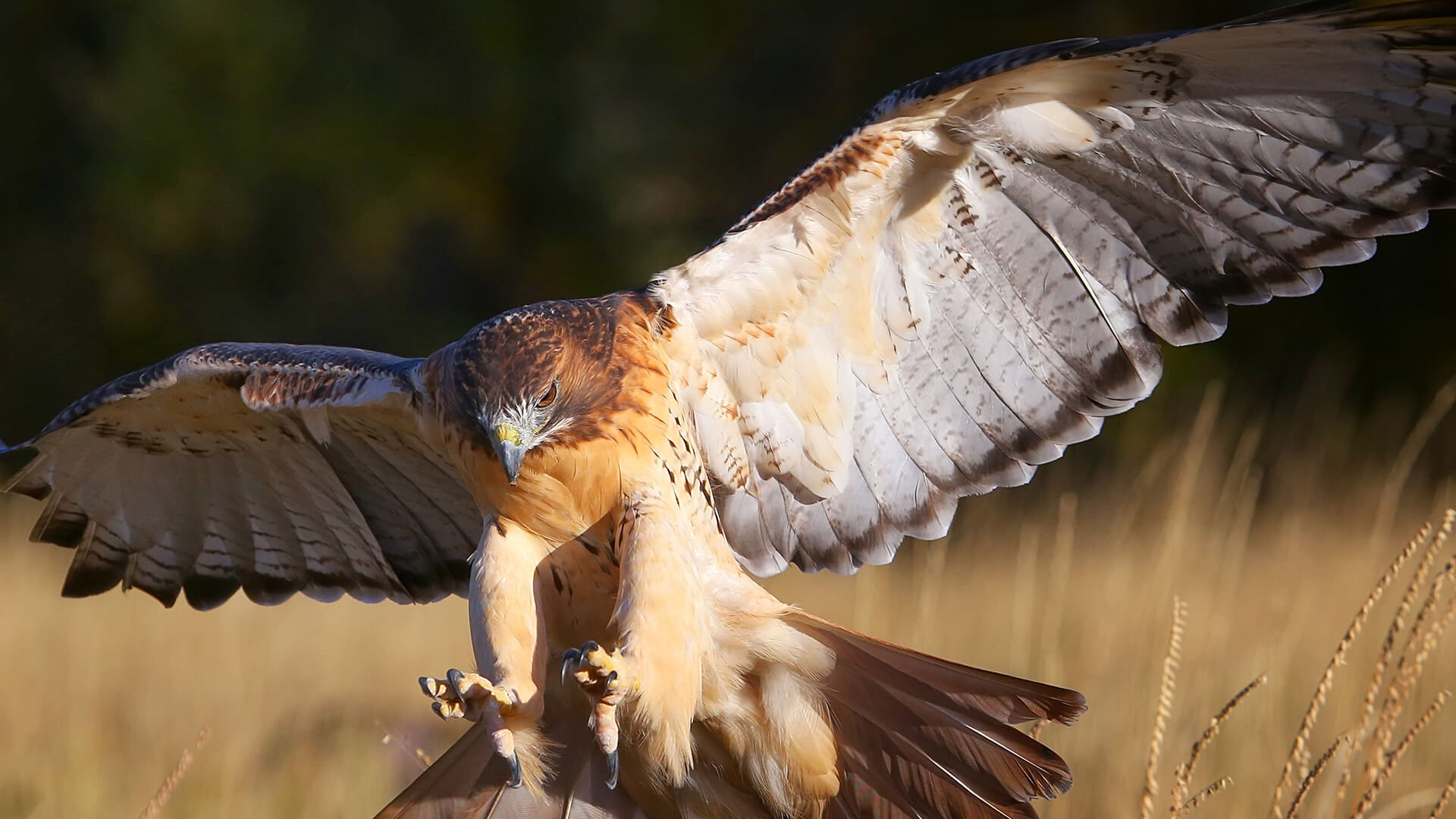
Hawks eating small birds
-
Small fish eating zooplankton
Tertiary consumers
Tertiary consumers are animals that feed on secondary consumers. They are often called "top predators" and may not have any natural predators themselves when fully grown.
Examples include:
-
Gulls eating fish
-
Blackbirds catching worms
-
Badgers hunting small mammals
-
Humans consuming various animals

Sometimes tertiary consumers don't exist in simple ecosystems - the food chain may end at the secondary consumer level.
Special types of consumers
Omnivores are animals that eat both plants and animals. Humans are omnivores, as are many birds and mammals that have varied diets.
Decomposers are organisms that feed on dead organic matter from plants and animals. They include:
- Bacteria and fungi that break down dead tissue
- These organisms are crucial for recycling nutrients back into the ecosystem
Detritus feeders consume small pieces of dead and decomposing plant and animal material. Examples include earthworms and woodlice that help break down organic matter.
Scavengers are animals that feed on animals killed by other sources rather than hunting live prey. They include foxes, crows, and seagulls that clean up carrion and waste.
Energy flow summary
The movement of energy and matter through ecosystems follows two key principles:
Important
- Energy flows in one direction through the ecosystem and is eventually lost as heat
- Matter is recycled continuously through decomposition and reuse
This creates a sustainable system where nutrients cycle repeatedly while energy requires constant input from the sun.
Summary
Key Points to Remember:
- Carrying capacity is the maximum population an ecosystem can support - exceeding it causes ecosystem damage
- Abiotic factors (non-living) and biotic factors (living) both limit population growth in ecosystems
- Energy flows one way through food chains: Sun → Producers → Primary consumers → Secondary consumers → Tertiary consumers
- Matter gets recycled through decomposition, unlike energy which is lost as heat
- Producers make their own food through photosynthesis and support all other life in ecosystems