Pollution and Waste Management (Leaving Cert Biology): Revision Notes
📚Revision Notes
Pollution and Waste Management
How do Humans Impact Ecosystems?
- Pollution
- Conservation
- Waste management
1. Pollution
Note
Pollution is any undesirable change in, or harmful addition to the environment. It results from unwanted materials called pollutants**.**
- Most pollution is caused by human activity, such as litter and noise.
- There are also natural sources of pollution, such as volcanic activity.
Types of Pollution:
- Domestic pollution (household waste)
- Agricultural pollution (pesticides, fertilisers)
- Industrial pollution (smoke that causes acid rain)
Agricultural Pollution - Eutrophication
Note
Eutrophication: the artificial enrichment of water by nutrients
-
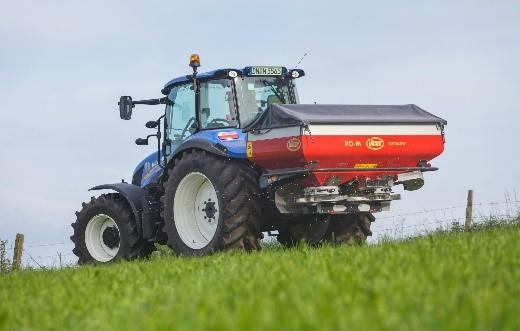
Fertilisers are spread on grassland.
-
During heavy rainfall, fertiliser is washed into rivers or lakes.
-
The minerals in the fertiliser cause algae to grow in the water.
-
When algae die, they are decomposed by bacteria.
-
The bacteria use up the oxygen in the water.
-
The lack of oxygen causes plants and animals to die.
-
To prevent eutrophication, fertilisers should be spread when the weather is dry. A limited amount should be used.
2. Conservation
Note
Conservation is the wise management of our existing natural resources in order to allow as many species as possible to survive.
Humans alter the environment in a number of ways:
- Destroy natural habitats, to grow crops and farm animals.
- Drill for oil and gas to obtain fuel.
- Destroy habitats (fields, forests, hedges) to build houses, roads and factories.
- Use weed killers and insecticides.
Benefits of Conservation
- Preserves existing environments
- Prevents extinction
- Maintains ecological balance
Conservation Practices
- Overfishing: Increase the mesh size of fishing nets. This allows younger, smaller fish to escape, giving them the chance to grow and reproduce, which helps maintain fish populations.
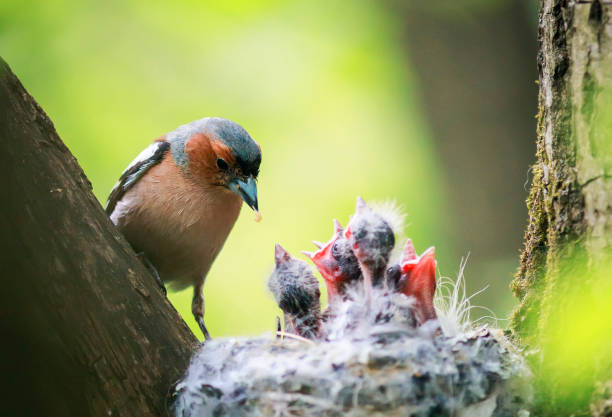
- Protect bird nests: Avoid cutting hedges during the breeding season. This protects nesting birds and their young, allowing them to raise their offspring undisturbed.
2. Waste Management
Problems with Waste Disposal:
- Incinerators can release poisonous gases.
- Waste may contain disease-causing microorganisms, which can spread through the air or enter water supplies.
- Waste in landfills can be unsightly, and the smell may attract rodents like rats.
- Nutrients from agricultural waste can enter water and cause eutrophication leading to the death of plants and animals.
Note
Control of Waste Production: The three rs
- Reduce
- Reuse
- Recycle
Note
Waste Management in Agriculture: Animal waste is stored in concrete pits. It is spread on land in spring, recycling nutrients to benefit plants.
Role of Microorganisms in Waste Management
- Landfill sites: Waste is covered with soil. Bacteria and fungi in the soil break down biodegradable materials.
- Sewage: Small amounts can be naturally broken down by bacteria in rivers, but large amounts require special treatment before being safely released into water.
Sewage Treatment
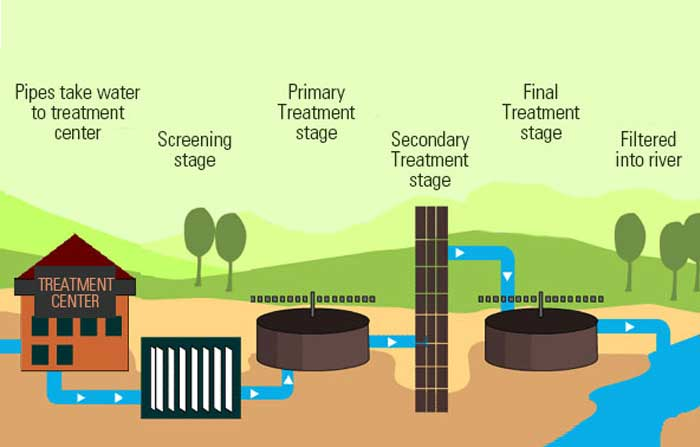
1. Primary (Physical) Treatment
- Screening: Metal grills remove large objects such as branches.
- Sedimentation: Water is stored in tanks. Particles like stones and sand settle at the bottom. The solid waste that settles is called sludge.
2. Secondary (Biological) Treatment
- The sludge is placed in enclosed tanks and broken down by bacteria.
- Biogas generators collect methane, which can be used as a fuel to generate electricity for the sewage plant.
- The remaining wastewater passes into large, shallow tanks, where up to 98% of organic waste is broken down by bacteria and fungi.
- The water is often treated with chlorine to destroy any remaining organisms.
3. Tertiary Treatment
- Removes mineral nutrients from the water, such as nitrogen and phosphorus.
- It is rarely used because of its high cost.