The Alimentary Canal: The Small Intestine (Leaving Cert Biology): Revision Notes
📚Revision Notes
The Alimentary Canal: The Small Intestine
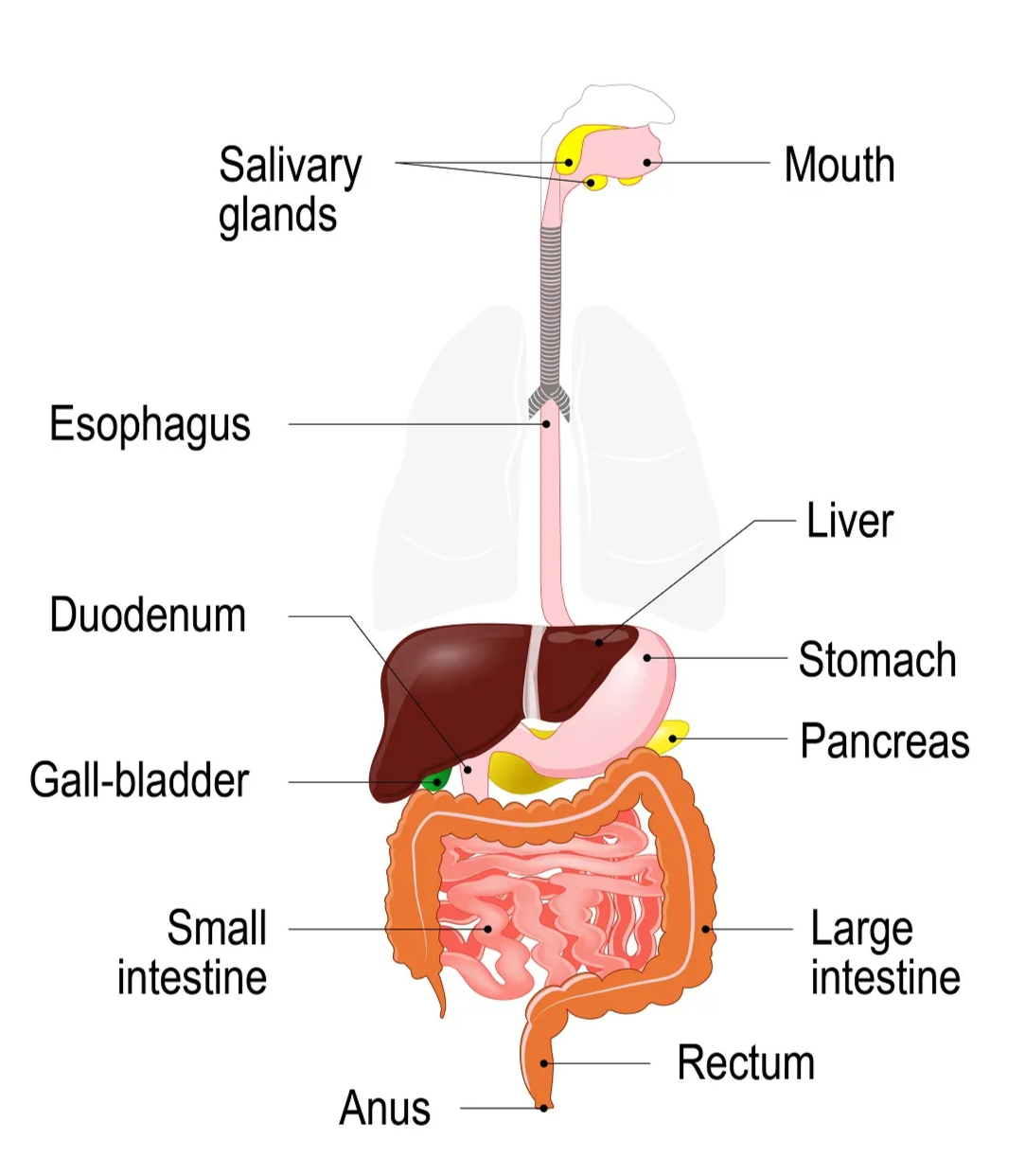
- Mouth
- Oesophagus
- Stomach
- Small intestine
- Liver
- Pancreas
- Large intestine
4. Small Intestine
The small intestine is a 6-meter-long tube with a small diameter, divided into two main parts:
- Duodenum
- Ileum
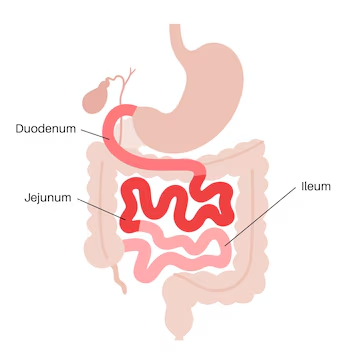
Duodenum (D for Duodenum, D for Digestion)
- The first 25 cm of the small intestine.
- Food is forced backwards and forwards by peristalsis to ensure digestion takes place.
- Cells lining the duodenum produce digestive enzymes.
- The liver and pancreas release substances (e.g., bile, pancreatic juice) into the duodenum to assist in digestion.
Ileum
- The ileum is the second part of the small intestine.
- The function of the ileum is absorption.
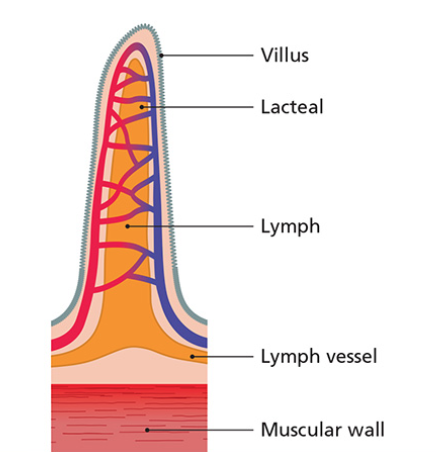
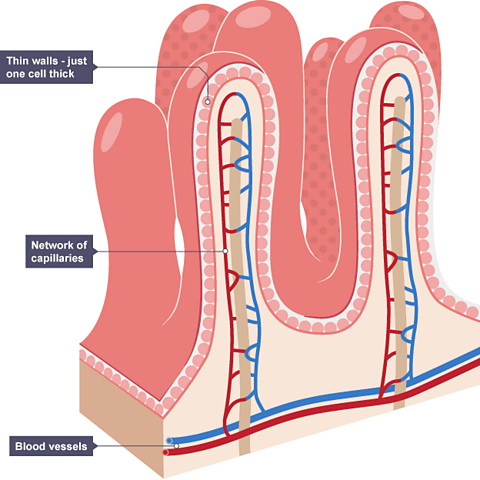
- The ileum has numerous infoldings called villi. These increase the surface area for absorption.
- Each villus contains a lacteal, which is filled with lymph.
- Fatty acids and glycerol are absorbed into the lacteal and transported to the bloodstream near the neck.
Adaptations of the Small Intestine for Absorption
- Villi increase surface area, improving nutrient absorption.
- Villi have a rich capillary blood supply. This assists the transport of absorbed nutrients.
- Lacteals in villi absorb fatty acids and glycerol.
- Length of the small intestine allows sufficient time for absorption.