Organisational Culture (Leaving Cert Business): Revision Notes
📚Revision Notes
Organisational Culture
What is organisational culture?
Organisational culture refers to the shared values, beliefs, and attitudes that shape how people behave within a company. Think of it as the personality of an organisation - it determines "how we do things around here."
This culture acts as an invisible framework that guides the behaviour of both employees and management. It influences how stakeholders like employees and customers perceive and interact with the business brand.
Note
Culture includes both the exposed values that a company formally states (like mission statements and core values) and the underlying assumptions - the unwritten but widely observed values and rules that actually guide daily behaviour.
The iceberg model of organisational culture
Understanding organisational culture is like looking at an iceberg - there's much more below the surface than what's immediately visible.
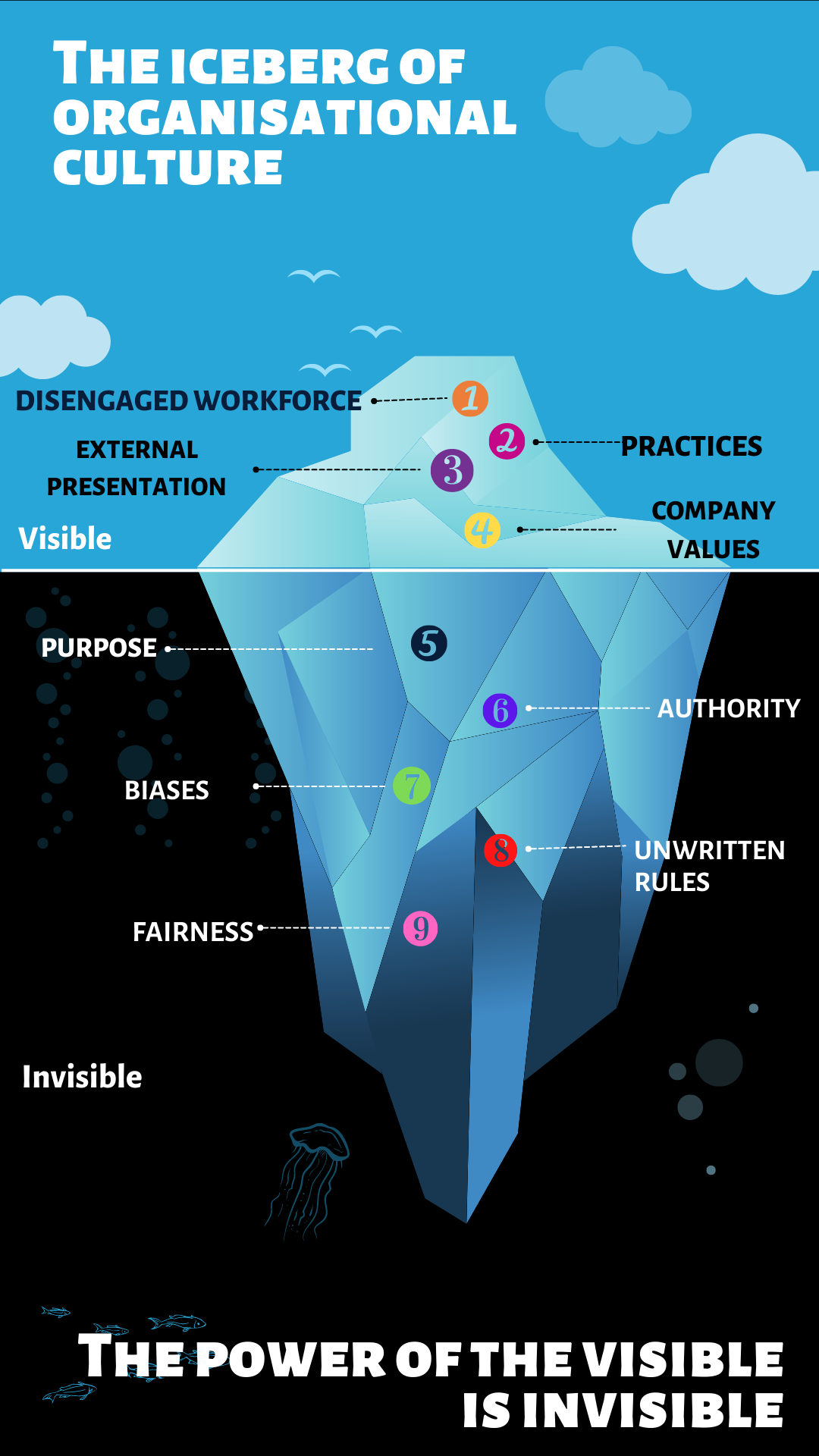
Visible organisational culture (above the waterline) includes elements that are easy to see and document:
- Vision and strategy
- Goals and procedures
- Policies and structures
- Shared values (as officially stated)
This represents "the way we say we get things done."
Invisible organisational culture (below the waterline) contains the much larger and more influential elements:
- Beliefs and perceptions
- Unwritten rules and norms
- Shared assumptions and traditions
- Stories and feelings
This represents "the way we really get things done."
Important
The invisible elements below the surface are what truly drive behaviour and decision-making. This is why organisational change initiatives often fail when they only address surface-level elements whilst ignoring the deeper cultural foundations.
The importance of organisational culture and innovation
A strong organisational culture provides significant advantages for businesses:
Brand identity
Culture shapes how customers, partners, and stakeholders view the company. When employees truly embrace the company's values, this authenticity comes through in customer interactions. Companies with strong cultures often develop powerful reputations that attract customers who share similar values.
Employee retention
People want to work for companies whose values align with their own. A positive culture helps attract and retain the best employees by creating an environment where people feel valued and empowered. This reduces staff turnover and creates higher employee satisfaction.
Productivity and innovation
Strong cultures built on trust develop resilience and encourage creativity. When employees feel motivated and secure, they're more likely to speak up with new ideas and innovative solutions. Companies with positive cultures see increased productivity because employees genuinely care about their work.
Customer satisfaction
Motivated employees who believe in their company's mission provide better customer service. This customer-focused approach leads to higher satisfaction levels, increased customer loyalty, and ultimately improved sales performance.
Less workplace conflict
Clear values and collaborative cultures reduce workplace disputes. When everyone understands the expected behaviours and communication styles, there are fewer misunderstandings and conflicts between team members.
Factors influencing organisational culture
Several key factors contribute to building and maintaining a positive organisational culture:
Open communication is essential for creating a healthy work environment. Employee voices should be heard and acknowledged, with feedback valued and open conversations encouraged. This leads to increased employee engagement and greater profitability.
%20(12)-2.png)
Note
Creativity and innovation should be actively encouraged and promoted. Companies need to provide time and resources for employees to explore new ideas, supporting creative thinking and ensuring employees feel safe to make mistakes and learn from them.
Collaboration and teamwork require diversity and inclusion to be genuinely embraced. Team-building activities and collaborative work practices promote communication, develop empathy, and ensure inclusivity whilst helping to reduce conflict.
Recognition and reward systems that acknowledge culture-aligned behaviour are crucial. When employees feel appreciated and valued, this increases engagement, improves retention, and boosts productivity. Leadership teams must recognise and encourage positive behaviours to create a supportive culture.
Note
Investment in employee development through continuing professional development (CPD) is central to strong cultures. Training and development creates an environment where employees constantly seek to improve, providing opportunities to learn new skills and grow, with mentoring programmes particularly effective.
Leadership practices and behaviours must reflect the company culture. Strong organisational cultures are modelled by leaders and those in leadership positions, ensuring consistency between stated values and actual leadership behaviour.
Seven steps to creating a strong organisational culture
Building a strong organisational culture requires a systematic approach:
- Open communication - Create channels for honest, transparent dialogue throughout the organisation
- Creativity and innovation - Foster an environment where new ideas are welcomed and creative thinking is valued
- Collaboration and teamwork - Build systems that encourage people to work together effectively
- Employees' values - Understand and align with what matters most to your workforce
- Recognition and rewards - Acknowledge and celebrate behaviours that support your desired culture
- Employee development - Invest in growing your people's skills and capabilities
- Leadership - Ensure leaders model the culture and behaviours you want to see
Important
These seven steps work together as an integrated system - success requires attention to all areas, not just individual elements.
Leadership and organisational culture
Leaders play a vital role in shaping organisational culture. They communicate the vision and core values of the company whilst modelling behaviours that reflect those values.
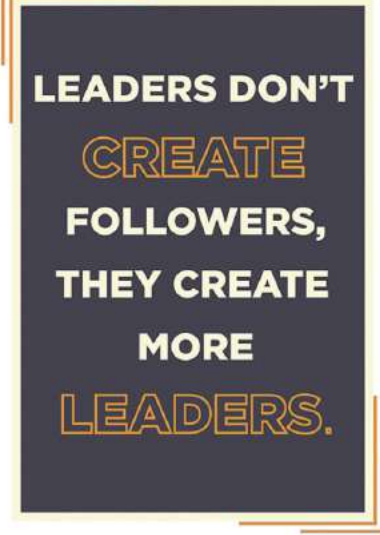
Effective leaders focus on developing employees with values that align with the company's direction, preparing them for future success. They cultivate supportive cultures built on trust and open communication, empowering people and raising up new leaders rather than just creating followers.
Note
The most successful leaders understand that their primary role is developing others and creating an environment where everyone can thrive and contribute their best work.
Remember!
Summary
Key Points to Remember:
-
Organisational culture is like an iceberg - the invisible elements below the surface (beliefs, assumptions, unwritten rules) are much more powerful than the visible elements above
-
Strong cultures provide multiple benefits including better brand identity, improved employee retention, increased productivity and innovation, higher customer satisfaction, and reduced workplace conflict
-
Seven key factors create strong cultures: open communication, creativity and innovation, collaboration and teamwork, employee values, recognition and rewards, employee development, and effective leadership
-
Leadership is crucial - leaders must model the culture they want to see and focus on developing others rather than just directing them
-
Culture guides behaviour - it's the framework that determines "how we really get things done" rather than just "how we say we get things done"