Ethics & Sustainability in Marketing (Leaving Cert Business): Revision Notes
📚Revision Notes
Ethics & Sustainability in Marketing
Modern consumers are more informed and aware than ever before. They have access to a wider variety of goods and services to choose from, and they increasingly demand transparency, sustainability, and ethical practices from businesses. This shift has made ethical marketing and sustainable marketing essential strategies for modern businesses.

Note
This consumer shift represents a fundamental change in marketplace dynamics, where businesses must balance profit with social responsibility to remain competitive.
What is ethical marketing?
Ethical marketing has honesty and transparency as its core values. It means acting in a socially responsible manner rather than focusing purely on profit. Employee wellbeing, fair treatment, and inclusion are all important aspects of an ethical business approach.
Note
Key characteristics of ethical marketing include:
- Transparency in all business communications and practices
- Honesty about products, services, and business operations
- Fair treatment of all stakeholders including employees, suppliers, and customers
- Social responsibility towards the local community and society
- Focus on building long-term relationships rather than short-term profits
Ethical marketing leads to higher brand loyalty and increased market share, as consumers trust businesses that operate transparently. However, there is also a risk of negative public relations if companies fail to meet their ethical promises or face scandals.
What is sustainable marketing?
Sustainable marketing (also referred to as green marketing or eco-marketing) involves developing and promoting products that have minimal negative impact on the environment. Sustainability is considered at every stage of the product development process, including sustainable sourcing of raw materials and reducing carbon emissions.
Important
Modern consumers are willing to pay more for products that are environmentally friendly, with over 70% of Irish consumers prepared to pay premium prices for locally sourced products made with recycled or sustainable materials.

How ethics and sustainability impact marketing strategy
Both ethical and sustainable approaches influence all aspects of a company's marketing strategy. Let's examine how they affect each of the four Ps of marketing:
Product considerations
Firms should source products locally where possible to reduce environmental impact. Raw materials should be sustainably sourced to ensure fair prices for farmers and growers.
Example
Practical Example: Ethical Sourcing
Companies can source only sustainably sourced cocoa and Fairtrade coffee, ensuring farmers receive fair payment for their produce while maintaining ethical trading practices.
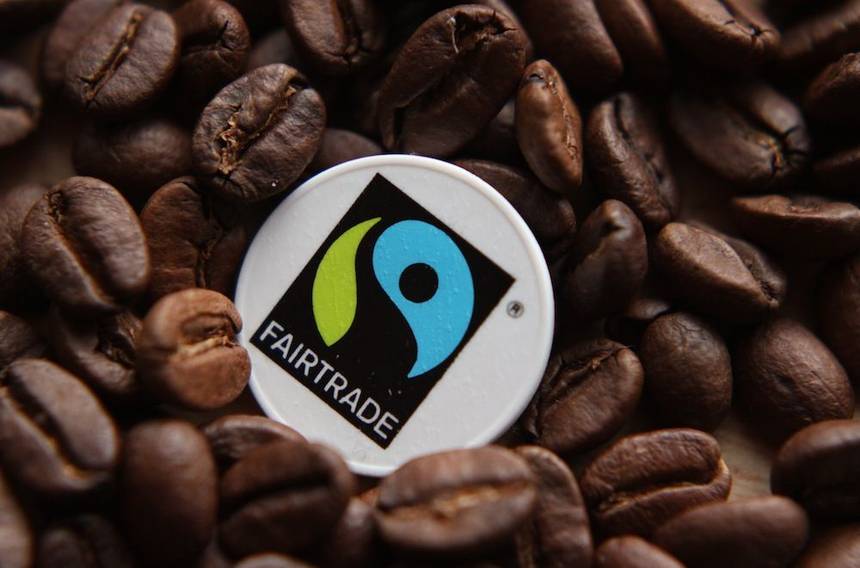
Products that have been produced ethically and sustainably may command a higher price, as consumers are increasingly willing to pay more for products that align with their values.
Place considerations
Businesses should seek to minimise the negative impact that the delivery of their product or service has on the environment. They should use renewable energy sources and transport methods, including electric vehicles, to reduce their environmental impact.
Promotion considerations
Companies that are sustainable and ethical can advertise this fact on their company website and promotional material. Consumers prefer to buy from companies that have recognised ethical and sustainability programmes.
Note
Many firms have a Corporate Social Responsibility (CSR) policy and employee wellness programmes, and they support initiatives in their local community. They collaborate with organisations and charities to seek innovative solutions.
Process considerations
Processes should seek to minimise any negative impact that the manufacture of the product or service has on the environment by using recyclable materials, reducing waste, using green energy, and conserving water.
Packaging and physical evidence should involve businesses reducing the amount of packaging they use and using recyclable materials where possible.
Analytical tools for ethical marketing
Power/interest grid
A power/interest grid is a form of stakeholder mapping that examines the motivations of stakeholders and their ability to exert influence (either positive or negative) on the business.
Important
Understanding the Power/Interest Grid
The grid maps stakeholders based on two key factors:
- Power or influence (vertical axis from low to high)
- Level of interest (horizontal axis from low to high)
This creates four quadrants with different management strategies:
- Keep satisfied: High power, low interest stakeholders
- Manage closely: High power, high interest stakeholders
- Monitor (minimum effort): Low power, low interest stakeholders
- Keep informed: Low power, high interest stakeholders
This analytical tool is particularly useful when implementing ethical and sustainable marketing strategies, as it helps businesses identify which stakeholders should be prioritised in their communication and decision-making processes.
Case study: Butlers Chocolates
Example
Case Study: Butlers Chocolates - Sustainable Luxury
Butlers Chocolates provides an excellent example of how Irish businesses can successfully implement ethical and sustainable marketing practices. Their approach demonstrates the practical application of these concepts in the luxury confectionery market.
The company has implemented numerous sustainability initiatives that form part of their marketing strategy, showing consumers their commitment to environmental responsibility while maintaining their premium brand positioning.
Summary
Remember! Key Points to Remember:
- Ethical marketing prioritises honesty, transparency, and social responsibility over pure profit maximisation
- Sustainable marketing focuses on minimising environmental impact through eco-friendly practices and renewable resources
- Both approaches can lead to increased brand loyalty and market share, but carry reputational risks if promises aren't delivered
- Ethics and sustainability impact all four Ps of marketing: Product, Place, Promotion, and Process
- Power/interest grids are valuable analytical tools for mapping and managing stakeholders when implementing ethical marketing strategies