Market Analysis Tools (Leaving Cert Business): Revision Notes
📚Revision Notes
Market Analysis Tools
Market analysis tools are essential frameworks that help businesses understand their operating environment, customers, and competitive position. These tools provide structured approaches to gathering and analysing information that supports strategic decision-making. For Leaving Cert Business Studies, you need to understand three key market analysis tools: the Power/Interest Grid, STEEPLE Analysis, and Marketing Mix Analysis.
Note
These three market analysis tools form the foundation of strategic business planning and are frequently examined in Leaving Certificate Business Studies. Understanding how to apply each tool correctly is crucial for achieving high marks in case study questions.
Power/interest grid
The power/interest grid is a stakeholder analysis tool that helps businesses categorise different groups based on two key dimensions: their level of power or influence, and their level of interest in the business or project.
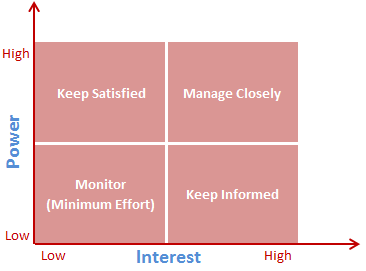
How the power/interest grid works
This analytical tool creates a 2x2 matrix that divides stakeholders into four distinct categories:
Note
Four Quadrants of the Power/Interest Grid:
Each quadrant requires a different management approach based on the stakeholder's characteristics and potential impact on the business.
Keep satisfied (High Power - Low Interest): These are decision-makers and influential buyers who can significantly affect the business but aren't interested in day-to-day details. The strategy focuses on keeping them happy without overwhelming them with information. Examples include major investors or regulatory bodies.
Manage closely (High Power - High Interest): These are your key stakeholders who should receive maximum attention. They have both the power to influence your business and high interest in your success. Examples include major customers, key suppliers, or important business partners.
Monitor with minimum effort (Low Power - Low Interest): These stakeholders require minimal resources as they have little influence and low interest. However, businesses should still monitor them for any changes. Examples might include distant competitors or occasional customers.
Keep informed (Low Power - High Interest): These stakeholders are very interested in your business but have limited influence. They should receive regular updates and engagement. Examples include social media followers, community groups, or potential future customers.
Applications in business
The power/interest grid helps businesses:
- Prioritise resources by focusing attention on high-power, high-interest stakeholders
- Develop targeted communication strategies for different stakeholder groups
- Identify potential risks from powerful but disinterested stakeholders
- Recognise opportunities to convert interested stakeholders into advocates
Important
Critical Strategy Point: Never ignore high-power stakeholders, even if they show low interest. Their power means they can quickly become threats if their attitudes change or if they become dissatisfied with your business decisions.
STEEPLE analysis
STEEPLE analysis is a comprehensive framework for examining external macro-environmental factors that could impact a business. It expands on traditional PEST analysis by including additional factors that modern businesses must consider.
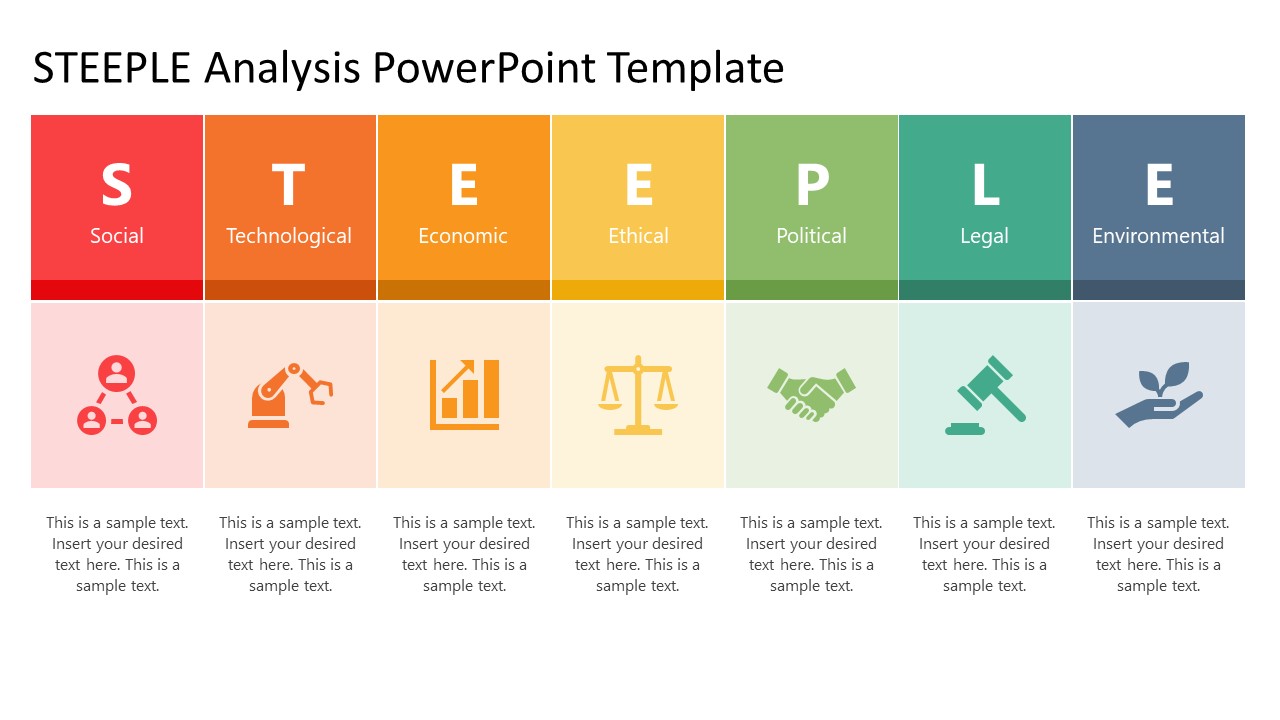
The seven factors of STEEPLE
Example
Worked Example: STEEPLE Analysis for Irish Tourism Business
Social: Ageing population seeking accessible tourism options Technological: Growth in online booking platforms and virtual reality experiences Economic: Impact of Brexit on UK visitor numbers Environmental: Increased demand for sustainable tourism practices Political: Government tourism promotion policies and EU travel regulations Legal: New data protection laws affecting customer information handling Ethical: Pressure to support local communities and authentic cultural experiences
Social factors examine the cultural and demographic environment. This includes population trends, career attitudes, health consciousness, safety concerns, and lifestyle changes. For example, increasing health awareness has created opportunities for organic food producers.
Technological factors assess the impact of technology changes on business operations. This covers innovation levels, automation trends, research and development activities, and technology adoption rates. Irish businesses must consider how digital transformation affects their industries.
Economic factors analyse the broader economic environment affecting business performance. Key elements include economic growth rates, exchange rates, interest rates, inflation levels, unemployment rates, and consumer spending power.
Environmental factors consider ecological and environmental influences on business. This includes weather patterns, climate change impacts, environmental regulations, and pressure from environmental groups. Many Irish businesses now factor sustainability requirements into their planning.
Political factors examine the political landscape and government policies. This encompasses government stability, tax policies, trade regulations, labour laws, and political decisions that could affect business operations.
Legal factors assess the legal framework within which businesses operate. This includes employment law, consumer protection legislation, intellectual property rights, health and safety regulations, and anti-discrimination laws.
Ethical factors evaluate moral and ethical considerations affecting business reputation. This covers corporate social responsibility expectations, business ethics standards, and ethical trading practices.
Conducting STEEPLE analysis
To perform effective STEEPLE analysis:
- Research each factor systematically to identify relevant trends and changes
- Assess the potential impact of each factor on your specific business or industry
- Consider interconnections between different factors
- Update regularly as external environments change rapidly
- Use findings to inform strategic planning and risk management
Important
Remember the Acronym: Social, Technological, Economic, Environmental, Political, Legal, Ethical - STEEPLE factors are external to the business and largely beyond management control, but their impact must be anticipated and managed.
Marketing mix analysis (7Ps)
The marketing mix analysis uses the 7Ps framework to evaluate and plan comprehensive marketing strategies. This tool helps businesses ensure all elements of their marketing approach work together effectively.
The seven Ps explained
Note
The Extended Marketing Mix (7Ps):
The traditional 4Ps (Product, Price, Place, Promotion) have been expanded to include People, Packaging, and Process to reflect the complexity of modern marketing, especially in service industries.
Product: Analysing the goods or services offered, including features, quality, design, and how they meet customer needs. Businesses must ensure their products address target market requirements and differentiate from competitors.
Price: Examining pricing strategies, including competitive pricing, value pricing, and psychological pricing. The analysis considers what customers are willing to pay and how price reflects product positioning.
Place: Evaluating distribution channels and locations where customers can access products. This includes retail outlets, online platforms, and distribution partnerships that make products conveniently available to target markets.
Promotion: Analysing communication strategies including advertising, sales promotions, public relations, and digital marketing. The focus is on how businesses reach and influence their target audiences.
People: Examining the role of staff in delivering customer experiences. This includes customer service quality, staff training, and how employees represent the brand to customers.
Packaging: Analysing how product presentation affects customer perceptions. This covers physical packaging design, sustainability considerations, and how packaging communicates brand values.
Process: Evaluating systems and procedures that affect customer experience. This includes purchasing processes, customer service procedures, and operational efficiency that impacts customer satisfaction.
Using marketing mix analysis
This tool helps businesses:
- Ensure consistency across all marketing elements
- Identify gaps or weaknesses in current marketing strategies
- Plan integrated campaigns where all elements support each other
- Benchmark against competitors across all marketing dimensions
- Adapt strategies for different market segments or changing conditions
Example
Worked Example: 7Ps Analysis for Coffee Shop
Product: Specialty coffee, pastries, comfortable seating area Price: Premium pricing reflecting quality ingredients Place: High street location with online delivery option Promotion: Social media marketing, loyalty card scheme People: Trained baristas providing knowledgeable service Packaging: Eco-friendly cups with distinctive brand design Process: Efficient ordering system, consistent quality standards
Using market analysis tools effectively
Choose appropriate tools based on your analysis objectives. Use STEEPLE for external environment scanning, power/interest grids for stakeholder management, and marketing mix for internal strategy evaluation.
Important
Strategic Integration: Don't use these tools in isolation. External STEEPLE findings should inform internal marketing mix decisions, while stakeholder analysis guides how you communicate strategic changes to different groups.
Combine tools for comprehensive analysis rather than relying on single frameworks. External STEEPLE findings should inform internal marketing mix decisions, while stakeholder analysis guides communication strategies.
Update analysis regularly as business environments change rapidly. What's relevant today may become outdated within months, particularly in fast-moving industries.
Involve team members in analysis processes to gain different perspectives and ensure buy-in for resulting strategies. Different departments may identify factors others overlook.
Focus on actionable insights rather than just data collection. Each analysis should lead to specific strategic decisions or tactical changes.
Note
Practical Application Tip: When using these tools in exam scenarios, always relate your analysis back to the specific business context provided in the case study. Generic analysis without business-specific application will not achieve maximum marks.
Summary
Key Points to Remember:
- Power/Interest Grid helps prioritise stakeholder management by categorising groups based on their influence and interest levels - focus most attention on "Manage Closely" quadrant
- STEEPLE Analysis examines seven external factors (Social, Technological, Economic, Environmental, Political, Legal, Ethical) that could impact business success
- Marketing Mix Analysis uses the 7Ps framework (Product, Price, Place, Promotion, People, Packaging, Process) to evaluate comprehensive marketing strategies
- Combine multiple tools for thorough market analysis - external STEEPLE findings should inform internal marketing mix decisions
- Regular updates are essential as business environments change rapidly, making yesterday's analysis potentially obsolete today