Summary (Leaving Cert Classical Studies): Revision Notes
📚Revision Notes
Summary
Medea is one of the most powerful and shocking tragedies in ancient Greek drama, written by Euripides around 431 BCE. This tragic tale explores themes of betrayal, revenge, and the destructive power of passion when justice fails. The play follows Medea, a foreign sorceress who has been abandoned by her husband Jason, as she plots and executes a terrible revenge that will destroy everything she holds dear.
Opening scene: The prologue
The tragedy begins with expository dialogue between Medea's Nurse and the Tutor, who reveal the devastating news that has shattered their mistress's world. Jason, Medea's husband, has betrayed their marriage by choosing to wed Glauce, the daughter of King Creon of Corinth. This political marriage represents Jason's attempt to secure his future through royal connections, abandoning the foreign wife who once saved his life.
From inside the house, the audience hears Medea's anguished cries - a powerful dramatic technique that builds sympathy before she even appears on stage. The Nurse describes her mistress's despair, while the Tutor brings more troubling news: Creon plans to exile both Medea and her children from Corinth.
Note
This opening immediately establishes the central themes of betrayal, exile, and suffering that will drive the entire tragedy. The technique of hearing Medea's voice before seeing her creates dramatic anticipation and builds audience sympathy.
"She calls upon the gods to witness how unjustly she is treated."
The chorus enters: Parodos
The Chorus of Corinthian Women makes their entrance, immediately establishing the female perspective that runs throughout the play. These women represent the voice of ordinary wives and mothers, and their presence creates a sense of solidarity with Medea's suffering. Importantly, they recognise that women have been unfairly treated in both life and literature.
The Chorus's sympathy for Medea as a wronged wife helps the audience understand her position, even as her actions become increasingly extreme. Their support establishes the gender dynamics that Euripides explores - the powerlessness of women in ancient society and their vulnerability to male decisions about marriage and family.
"The female sex is slighted in the songs of poets."
Creon's confrontation and decree
King Creon arrives to deliver his harsh decree: Medea and her children must leave Corinth immediately. His fear of Medea's cunning and anger reveals that her reputation as a sorceress precedes her. Creon recognises the danger she poses, particularly given her knowledge of magical arts and her obvious desire for revenge.
However, Medea's diplomatic skills come into play as she begs for just one more day to prepare for exile. Her apparent reasonableness masks her true intentions - she is already plotting her revenge and needs time to carry it out.
Important
Creon's reluctant agreement to grant this single day becomes the crucial element that allows the tragedy to unfold. This demonstrates how small acts of mercy can have catastrophic consequences in Greek tragedy.
"You are a clever woman, versed in evil arts... therefore I banish you."
Medea's powerful first speech
When Medea finally appears on stage, she delivers one of the most famous monologues in Greek tragedy - a speech about the plight of women in ancient society. This moment transforms her from a figure of personal grief into a spokesperson for all women's suffering. She articulates how women lack rights and choices in marriage, being treated as property rather than partners.
Her speech serves multiple purposes: it gains the Chorus's sympathy, establishes her intelligence and rhetorical skill, and provides social commentary that would have resonated with Euripides' contemporary audience.
Important
The speech also demonstrates how personal betrayal connects to broader issues of gender inequality and social injustice. This connection between personal and political themes is typical of Euripidean tragedy.
"Of all creatures that can feel and think, we women are the worst treated things alive."
The first confrontation between Medea and Jason
Jason arrives to justify his actions, creating one of drama's most memorable confrontational scenes. His defence reveals the clash between male pragmatism and female emotional truth. Jason argues that his new marriage benefits their children's future and that Medea should be grateful for his connection to royal power.
Medea's response exposes the hollowness of his rationalisations. She condemns his betrayal as dishonourable, pointing out how she sacrificed everything for him - her homeland, family, and former life. This scene demonstrates the fundamental misunderstanding between them: Jason sees marriage as a practical arrangement, while Medea views it as a sacred bond that cannot be broken without consequences.
Medea: "You are the worst of men." Jason: "It was not for desire of a new bride, but to secure your prosperity."
Aegeus provides hope and opportunity
The arrival of Aegeus, King of Athens, represents a turning point in the tragedy. He enters seeking Medea's help with his childlessness, having heard of her magical abilities. This encounter provides Medea with exactly what she needs: sanctuary in Athens and the confidence to carry out her revenge without fear of exile.
Note
The oath of protection that Aegeus swears becomes crucial to the plot's development. With guaranteed sanctuary, Medea can now act without concern for her own safety. This divine protection gives her the confidence to move from planning to action, transforming her from victim to avenger.
"You shall have sanctuary in my land... I am bound by oath to protect you."
The revenge plan unfolds
Medea's calculated deception begins as she pretends to reconcile with Jason, appearing to accept her fate gracefully. This false reconciliation allows her to implement her carefully planned revenge. She sends her children to deliver poisoned gifts - a beautiful robe and golden crown - to Glauce, Jason's new bride.
The effectiveness of her plan demonstrates both her intelligence and her magical powers. The poisoned gifts represent a perfect revenge: they appear to be tokens of submission but are actually instruments of destruction. When Glauce puts on these gifts, both she and her father Creon die in agonising deaths, as the poison burns through them like fire.
Note
This revenge demonstrates Medea's cunning intelligence. The gifts appear to be peaceful offerings of reconciliation, but they're actually sophisticated weapons that target both the new bride and the king who ordered her exile.
"The crown of gold poured forth a stream of all-devouring fire."
The children's tragic fate
The most shocking element of the tragedy occurs when Medea wrestles with her maternal instincts but ultimately chooses revenge over motherhood. She recognises that killing her own children will cause Jason the maximum possible suffering, destroying his line and his future hopes.
This internal conflict between maternal love and vengeance represents the psychological climax of the play. Euripides shows Medea's humanity even as she commits the most inhuman act, making her both sympathetic and monstrous.
Important
The children's deaths occur offstage, following Greek dramatic convention, but their cries are heard by the audience, creating maximum emotional impact. This technique allows the audience to imagine the horror without witnessing it directly.
"My heart dissolves, women, when I see the shining faces of my children... but anger, stronger than all my resolutions, drives me on."
The final scene: Exodos
Jason arrives to confront Medea, horrified by the magnitude of her deeds. However, Medea appears above the stage in Helios' chariot (using the theatrical device called deus ex machina), demonstrating that she has divine protection and support for her actions.
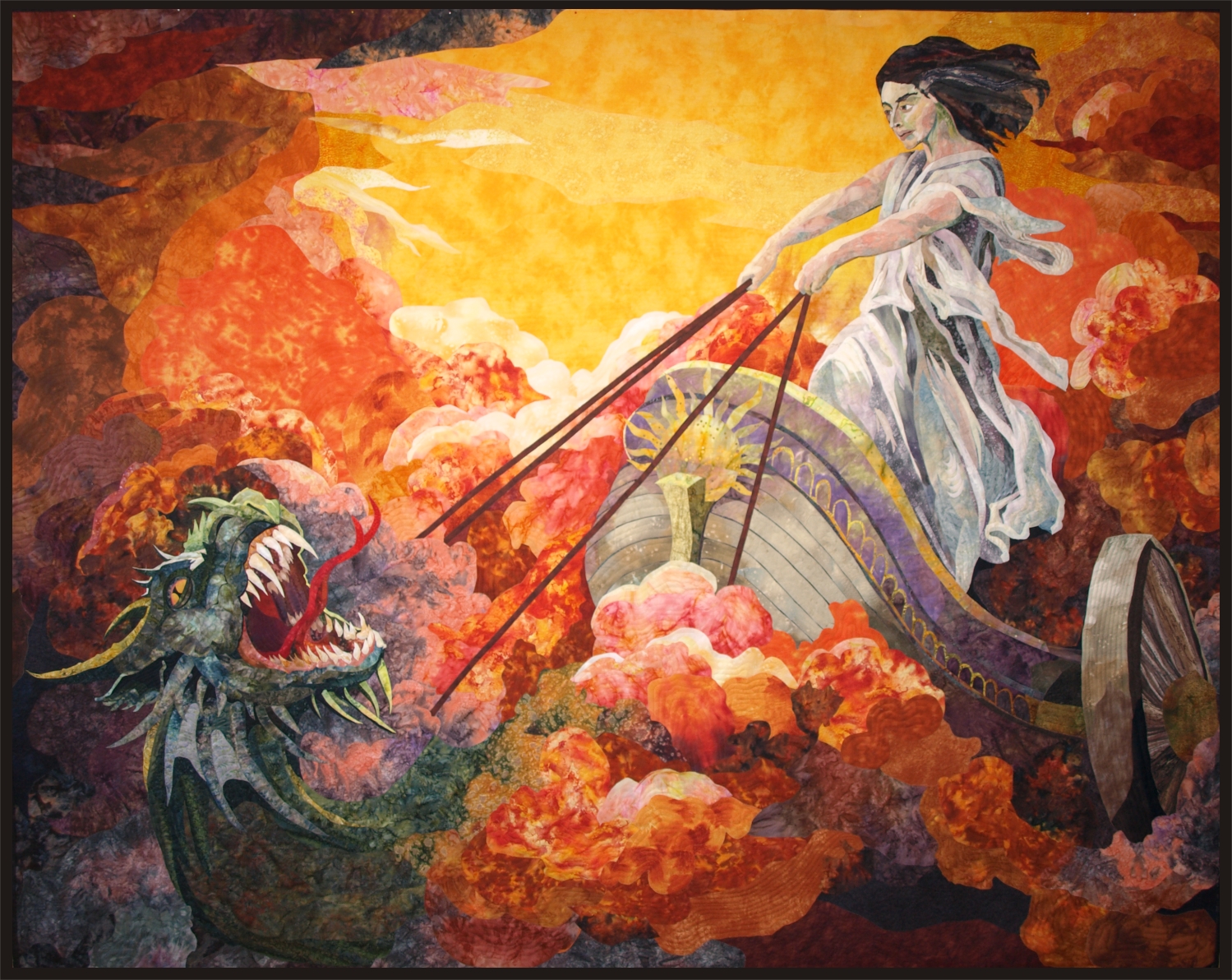
From this position of power, she refuses Jason's pleas to bury their children, declaring instead that she will take them to Athens for proper burial. The play ends with Jason broken and defeated, while Medea appears triumphant yet monstrous - she has achieved perfect revenge but at the cost of everything that should matter to a mother.
"I saved your life, and every Greek knows I saved it... and you betray me."
Key exam strategies
When studying Medea for your Leaving Cert, structure your analysis around the progression of revenge: betrayal → exile → deception → deaths → escape. This framework helps you understand how each scene builds towards the climactic tragedy.
Note
Remember that offstage violence is typical of Greek tragedy - the most shocking events (the children's deaths, Glauce and Creon's burning) happen away from the audience's view but are described in vivid detail. This technique creates emotional impact while maintaining dramatic dignity.
Pay attention to the Chorus reactions, which guide the audience's emotional response: they show sympathy early in the play but horror at the end. Their changing attitude reflects how Medea transforms from victim to perpetrator.
Focus on major themes including betrayal, gender roles, exile, passion versus reason, and divine justice. Use short, powerful quotes to strengthen your essays, particularly Medea's speeches about women's suffering, Jason's justifications of his actions, and the messenger's description of the deaths.
Summary
Key Points to Remember:
- Medea transforms from betrayed wife to vengeful sorceress, showing how injustice can create monsters
- The play explores gender inequality in ancient society through Medea's famous speech about women's suffering
- Offstage violence creates dramatic impact while following Greek theatrical conventions
- The Chorus represents ordinary women's perspectives and guides audience reactions throughout
- Divine justice ultimately supports Medea, suggesting the gods approve of her revenge against oath-breakers