Philoctetes (Leaving Cert Classical Studies): Revision Notes
📚Revision Notes
Themes
Suffering and isolation
The theme of suffering runs throughout Sophocles' Philoctetes, creating a powerful emotional foundation for the entire play. Philoctetes represents both physical and emotional anguish in its most extreme form. His festering wound creates constant agony, produces a terrible smell, and leads to his complete social rejection by his fellow warriors. This physical suffering becomes a symbol for deeper emotional wounds.
The hero's isolation on Lemnos serves as a powerful metaphor for betrayal and abandonment. Left behind by his Greek companions when they found his condition unbearable, Philoctetes experiences the ultimate rejection. This abandonment reflects the cruel reality of how communities sometimes treat those who become burdensome, raising uncomfortable questions about loyalty and compassion during wartime.
Note
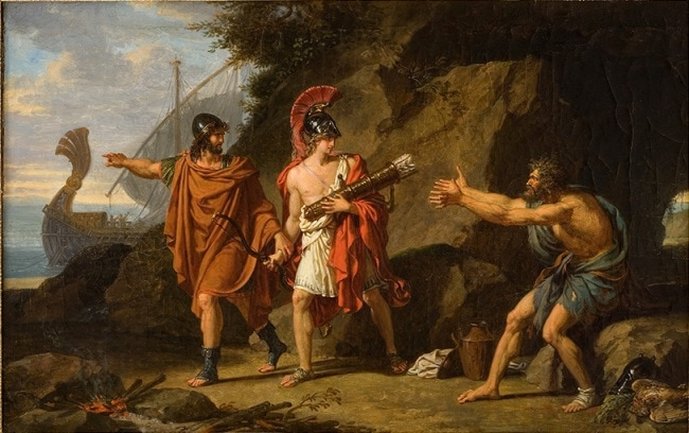
Sophocles uses Philoctetes' suffering to win the audience's sympathy whilst simultaneously challenging them to consider difficult moral questions. The character's pain forces viewers to examine whether practical military needs can ever justify abandoning a loyal comrade.
Note
Key quotes:
- "They left me, abandoned, alone, with this incurable wound."
- Chorus: "We pity your suffering, Philoctetes."
Honour vs deception
This central conflict explores the tension between maintaining heroic integrity and using pragmatic trickery to achieve victory. The play presents this moral dilemma through contrasting approaches of its main characters.
Odysseus represents the pragmatic viewpoint, believing that deception becomes acceptable when it serves the greater good of achieving military victory. His philosophy prioritises results over methods, reflecting a utilitarian approach to warfare and politics.
Philoctetes embodies traditional heroic values, placing supreme importance on loyalty, honesty, and seeking revenge against those who have wronged him. His unwavering stance represents the older heroic code that values personal honour above practical considerations.
Neoptolemus finds himself torn between these opposing philosophies. Throughout the play, he struggles with this moral conflict but ultimately chooses honour over expedience, representing the possibility of moral growth and the triumph of integrity.
Important
This theme reflects broader tensions in Athenian society during Sophocles' time, particularly the debate over whether political leaders should act with complete integrity or employ cunning when necessary for state survival.
Note
Key quotes:
- Odysseus: "Deceit is a weapon we must use, if it brings us victory."
- Neoptolemus: "Better to fail with honour than win by deceit."
Persuasion and manipulation
The entire plot revolves around the central question: how should Philoctetes be convinced to return to Troy? This theme explores the ethics of different persuasive techniques and their moral implications.
Odysseus advocates for outright trickery, believing that the end justifies the means. His approach involves elaborate deception designed to manipulate Philoctetes' emotions and circumstances. In contrast, Neoptolemus attempts both deception and honest persuasion, eventually discovering that honesty proves more effective than lies.
The play examines how rhetoric and moral choice intersect in both political and military contexts. Sophocles demonstrates particular interest in showing how different persuasive approaches reveal the character and values of those who employ them.
Example
Worked Example: Neoptolemus's Transformation
Step 1: Initial deception Neoptolemus lies to gain Philoctetes' trust, pretending to be an enemy of Odysseus.
Step 2: Growing discomfort He becomes increasingly uncomfortable with the deception as he witnesses Philoctetes' genuine suffering and trust.
Step 3: Confession and honest appeal He confesses his deception and appeals honestly to the hero's sense of duty and the promise of healing.
Result: This demonstrates how genuine honesty can be more persuasive than manipulation.
Loyalty and betrayal
Betrayal forms the emotional heart of Philoctetes' character, driving both his actions and his relationships throughout the play. His deep sense of betrayal stems from being abandoned by the Greek leaders Atreidae and Odysseus at his moment of greatest vulnerability and need.
The hero's bitterness and anger arise not just from physical suffering, but from the psychological wound of abandonment. Being left behind when he was most dependent on his comrades creates a trauma that extends far beyond his physical condition.
Neoptolemus's journey from deception to honesty provides a pathway for restoring trust and loyalty. His willingness to admit his lies and treat Philoctetes with genuine respect demonstrates how authentic relationships can be rebuilt even after betrayal.
Important
This theme raises broader questions about how communities should treat their most vulnerable members and whether practical necessities can ever justify abandoning those who have served faithfully.
Note
Key quote:
- Philoctetes: "Never will I sail to Troy with those who wronged me."
Fate and divine will
The theme of fate provides the ultimate resolution to all human conflicts in the play. According to prophecy, Troy cannot fall without both Philoctetes and Heracles' bow, establishing divine will as the determining factor in the story's outcome.
Importantly, while human choices cannot alter the final outcome, they can influence the path taken to reach that destiny. The various attempts at deception, persuasion, and resistance all occur within the framework of inevitable fate, but they determine how that fate will be fulfilled.
Heracles' divine intervention serves as the deus ex machina that resolves all conflicts, ensuring that prophecy is fulfilled whilst providing healing and honour to Philoctetes. This divine resolution reflects the Greek belief in fate's inevitability and the ultimate power of the gods over human affairs.
Note
The theme suggests that whilst humans possess free will in their choices and actions, larger cosmic forces ultimately guide the trajectory of events towards predetermined outcomes.
Note
Key quote:
- Heracles: "Follow now the will of Zeus, and go to Troy; there you will be healed, and win everlasting honour."
The nature of heroism
Perhaps the most profound theme in the play, this explores what constitutes true heroic behaviour in different circumstances. Sophocles presents three distinct models of heroism through his main characters.
Philoctetes represents heroism through endurance, suffering, and unwavering loyalty to principles. His heroism lies not in physical strength or military prowess, but in his ability to maintain his values despite extreme hardship.
Odysseus embodies heroism through cunning, pragmatism, and focus on collective victory over personal honour. His approach prioritises the greater good of the Greek cause above individual moral considerations.
Neoptolemus demonstrates heroism through moral growth and the courage to choose honour over personal advantage. His character arc suggests that true heroism involves the willingness to do what is right even when it is difficult or costly.
Important
The play suggests that genuine heroism lies not merely in physical strength or military success, but in integrity and moral choice. This theme challenges traditional concepts of heroism by emphasising character and ethical behaviour over purely martial achievements.
Exam tips
When discussing themes in your exam responses, remember these key strategies:
Important
Always link themes to character contrasts: Use Philoctetes versus Odysseus as opposing viewpoints, with Neoptolemus representing the middle ground and possibility for moral development.
Note
Connect themes to Athenian society: Show how the themes reflect contemporary concerns during wartime, particularly the tension between necessity and morality, and the conflict between individual rights and state needs.
Important
Support arguments with specific quotes: Use short, memorable quotations to strengthen your points. For example: "Better to fail with honour than win by deceit" (Neoptolemus) or "Deceit is a weapon we must use" (Odysseus).
Note
Be prepared for debate questions: You may need to argue whether Sophocles presents Philoctetes as admirably steadfast or frustratingly stubborn. Consider both perspectives and use textual evidence to support your view.
Summary
Key Points to Remember:
- Suffering and isolation create sympathy for Philoctetes whilst questioning how society treats the vulnerable
- Honour versus deception reflects the eternal conflict between maintaining integrity and achieving practical goals
- Persuasion and manipulation explore the ethics of different approaches to convincing others
- Loyalty and betrayal examine how trust can be broken and potentially restored through genuine honesty
- Fate and divine will show that whilst humans can choose their path, ultimate outcomes remain in divine hands
- The nature of heroism suggests true heroic behaviour lies in moral integrity rather than just physical or strategic prowess