Cast Irons (Leaving Cert Engineering): Revision Notes
📚Revision Notes
Cast Irons
Introduction to cast iron
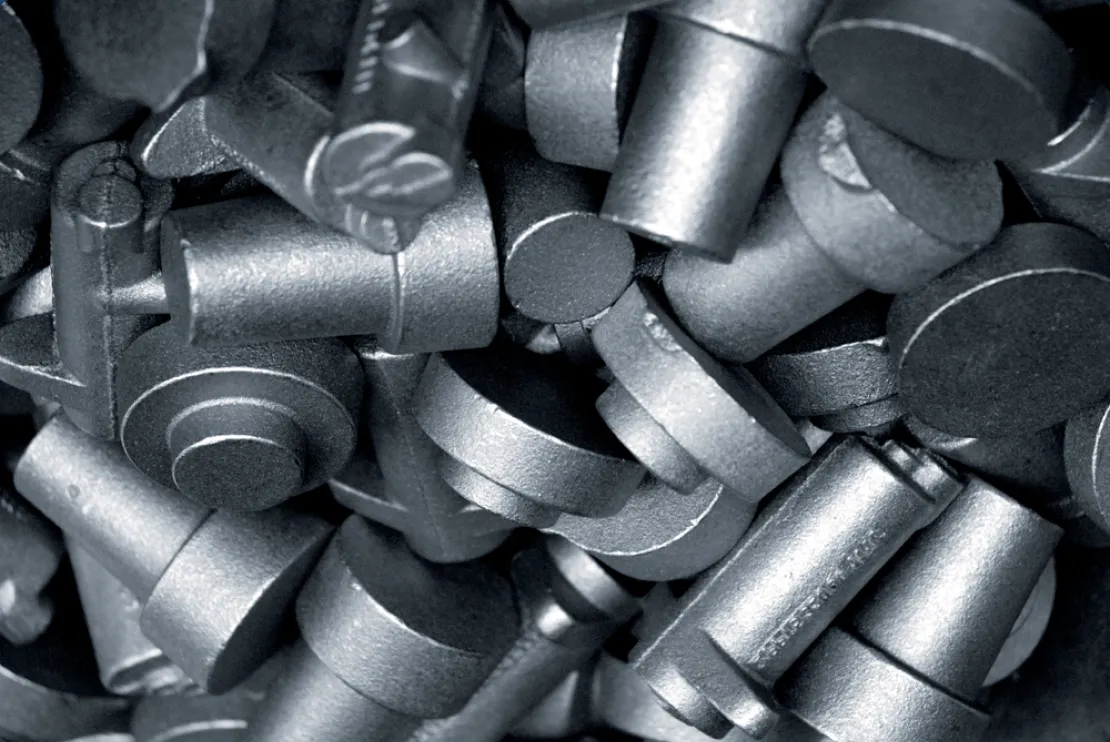
Cast iron is a group of iron-carbon alloys that contain more than 1% carbon by weight. Unlike steels, the carbon in cast iron is not completely dissolved within the iron structure, which creates the formation of a much harder and more brittle material compared to regular steel, even high carbon varieties.
Important
The key characteristic that distinguishes cast iron from steel is this higher carbon content threshold. When the carbon content exceeds 1%, the material's properties change significantly, making it suitable for different applications than traditional steels.
Types of cast iron
There are two main categories of cast iron, each formed through different cooling processes that affect how the carbon arranges itself within the material structure.
Note
The type of cast iron that forms depends entirely on the cooling rate during solidification. This cooling rate determines whether carbon separates as graphite flakes or remains as cementite, creating completely different material properties.
Grey cast iron
Grey cast iron forms when the metal undergoes slow cooling during the solidification process. During this gradual cooling, the carbon has sufficient time to separate out and form graphite flakes within the iron matrix.
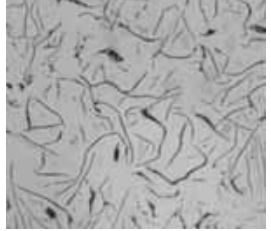
The presence of these graphite flakes gives grey cast iron several distinctive properties:
- Excellent mouldability - The material flows very well when molten, making it ideal for casting complex shapes
- Good vibration dampening - The graphite flakes help absorb vibrations effectively
- Relatively weak tensile strength - The material performs poorly under pulling forces
- Easy machinability - Can be cut, drilled, and shaped with standard tools
Example
Applications of Grey Cast Iron:
Grey cast iron is commonly used for manufacturing vices, machine frames for pillar drills and lathes, and other components where vibration dampening is important. The excellent mouldability makes it perfect for creating complex mechanical components with intricate shapes.
White cast iron
White cast iron develops when the material experiences rapid cooling, which doesn't allow sufficient time for graphite flakes to form properly. Instead, the carbon remains present as cementite, a much harder iron-carbon compound.
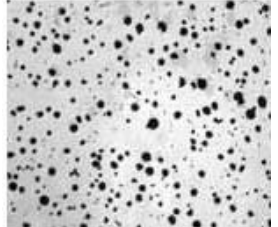
The cementite formation creates very different material characteristics:
- Extremely hard surface - Much harder than grey cast iron
- Very brittle nature - Prone to cracking under stress
- Difficult to machine - Challenging to cut, drill, or turn using conventional methods
- Surface phenomenon - Typically occurs on the outer surfaces of castings where cooling happens fastest, while the interior core may remain as grey cast iron
Note
White cast iron formation is often unintentional and occurs when castings cool too rapidly. This creates a hard outer shell while the interior may remain as more workable grey cast iron, resulting in a composite structure.
Example
Applications of White Cast Iron:
White cast iron is often found on the surface layers of cast components where rapid cooling has occurred, providing a hard wearing surface while maintaining a more workable core. This makes it useful for applications requiring wear resistance.
Summary
Key Points to Remember:
- Cast iron contains more than 1% carbon - this high carbon content makes it harder and more brittle than steel
- Cooling rate determines the type - slow cooling produces grey cast iron, rapid cooling creates white cast iron
- Grey cast iron has graphite flakes - making it easier to machine and good for vibration dampening
- White cast iron contains cementite - making it very hard but difficult to work with
- Applications depend on properties - grey cast iron for machine frames and vices, white cast iron for hard-wearing surfaces