Natural Polymers (Leaving Cert Engineering): Revision Notes
📚Revision Notes
Natural Polymers
What are natural polymers?
Natural polymers are polymer materials that have existed in nature throughout history, long before humans developed synthetic alternatives. These materials played a crucial role in advancing our understanding of polymer science. By studying the properties and behaviour of natural polymers, scientists were able to develop the modern synthetic polymers we use today.
Unlike synthetic polymers that are manufactured from petroleum-based chemicals, natural polymers are derived directly from living organisms or natural processes. They demonstrate that polymer structures can occur naturally in biological systems.
Note
The study of natural polymers was essential for the development of modern polymer science. By understanding how these materials worked in nature, scientists could design and create synthetic polymers with specific properties for various applications.

Key examples of natural polymers
Natural rubber
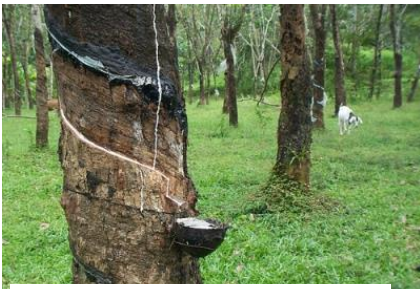
Natural rubber is obtained through a cultivation process involving rubber trees. The process begins by making careful cuts into the bark of rubber trees, which causes the tree to release a milky substance called latex. This latex is the raw material that contains the natural rubber polymer.
Example
Cultivation Process: Natural Rubber Collection
Step 1: Select mature rubber trees in tropical climates (Thailand, Indonesia) Step 2: Make careful diagonal cuts in the tree bark Step 3: Collect the latex sap that flows from the cuts Step 4: Process the latex into rubber products like elastic bands
Note
Key facts about natural rubber:
- Rubber trees thrive in hot, tropical climates
- Major producing regions include Thailand and Indonesia
- The latex collected from trees can be processed into various products
- Elastic bands are commonly made from natural rubber
- The raw material can be further refined and chemically modified to improve its properties for specific applications
Shellac
Shellac is a unique natural polymer that comes from an insect source rather than a plant. It is collected from a specific species of beetle known as the lac bug. This makes it quite different from other natural polymers in terms of its biological origin.
Note
Properties and uses of shellac:
- Hard and brittle when set, creating a durable surface
- Produces a high gloss shine when applied
- Commonly used as French polish for furniture finishing
- Provides an attractive, glossy protective coating
Amber
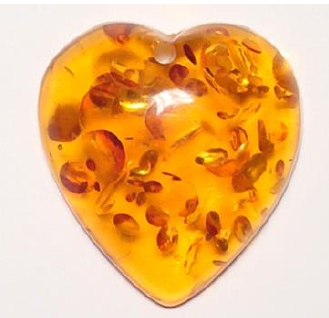
Amber represents a fascinating example of a natural polymer formed over geological time periods. It is essentially fossilised tree resin that has undergone a hardening process over millions of years.
Important
Unique characteristics of amber:
- Forms when tree resin becomes fossilised and hardens over time
- Displays an attractive translucent colour ranging from yellow to orange
- Widely used in jewellery making due to its appealing appearance
- May contain fossilised insects or other organic matter trapped within the resin when it was still soft
- These inclusions add to amber's scientific and aesthetic value
Applications and significance
Natural polymers demonstrate the versatility and effectiveness of polymer structures that evolved in nature. They continue to have important applications today:
- Rubber remains essential for products requiring elasticity and flexibility
- Shellac provides high-quality finishes for wooden surfaces
- Amber serves both decorative and scientific purposes
These materials also serve as inspiration for developing new synthetic polymers with improved properties.
Note
The continued use of natural polymers alongside synthetic alternatives shows that nature's designs are often still the best solution for specific applications. This has led to increased research into biomimetic materials that copy natural polymer structures.
Summary
Key Points to Remember:
- Natural polymers have always existed in nature and helped scientists understand polymer science
- Natural rubber comes from latex sap obtained by cutting rubber tree bark in tropical climates
- Shellac is produced by lac bugs and creates hard, glossy finishes for furniture
- Amber is ancient fossilised tree resin that may contain prehistoric inclusions
- Natural polymers continue to be valuable materials alongside modern synthetic alternatives