Disposal of Polymers (Leaving Cert Engineering): Revision Notes
📚Revision Notes
Disposal of Polymers
The widespread use of plastics in everyday life has created significant challenges for waste management. Unlike natural materials such as wood, polymers do not degrade easily and cannot be simply re-melted like metals. This has led to the development of several disposal methods, each with distinct advantages and environmental implications.
Main disposal methods
Landfill disposal
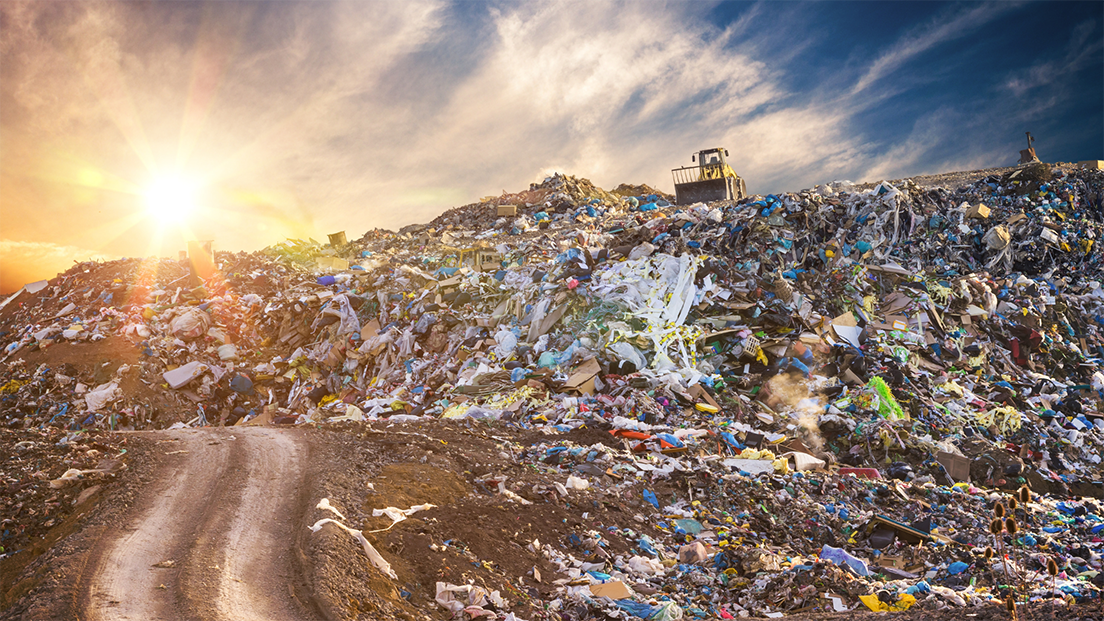
Landfill disposal involves burying plastic waste in designated sites. However, this method presents serious long-term environmental concerns.
Plastics disposed of in landfills create major problems because they take significantly longer to degrade compared to traditional materials like paper or organic waste. Many plastic items will remain completely intact for hundreds of years after their initial disposal. This persistence means that landfill sites fill up more quickly and the environmental impact continues for generations.
The slow degradation rate occurs because most polymers are resistant to the natural breakdown processes that affect organic materials. Bacteria and other decomposing organisms cannot easily break down the long polymer chains that give plastics their durability.
Important
Critical Environmental Impact
Plastic waste in landfills represents one of the most persistent environmental challenges of our time. The hundreds of years required for degradation means that every piece of plastic ever buried is likely still intact today.
Incineration
Incineration involves burning plastic waste, often as part of waste-to-energy programmes used in other European countries.
While incineration can help reduce the volume of waste and generate electricity for power production, it creates serious environmental and health risks. When plastics are burned, they release toxic fumes that can be extremely harmful to human health and the environment if not properly monitored and managed.
Modern incineration facilities use sophisticated filtration systems to capture these toxic emissions, but the process requires careful monitoring and significant investment in pollution control equipment. The ash residue from incineration also requires safe disposal.
Note
Modern Incineration Technology
Today's incineration facilities are far more advanced than older models, featuring sophisticated filtration systems and continuous monitoring. However, the initial investment and ongoing operational costs for proper pollution control equipment remain significant barriers.
Recycling
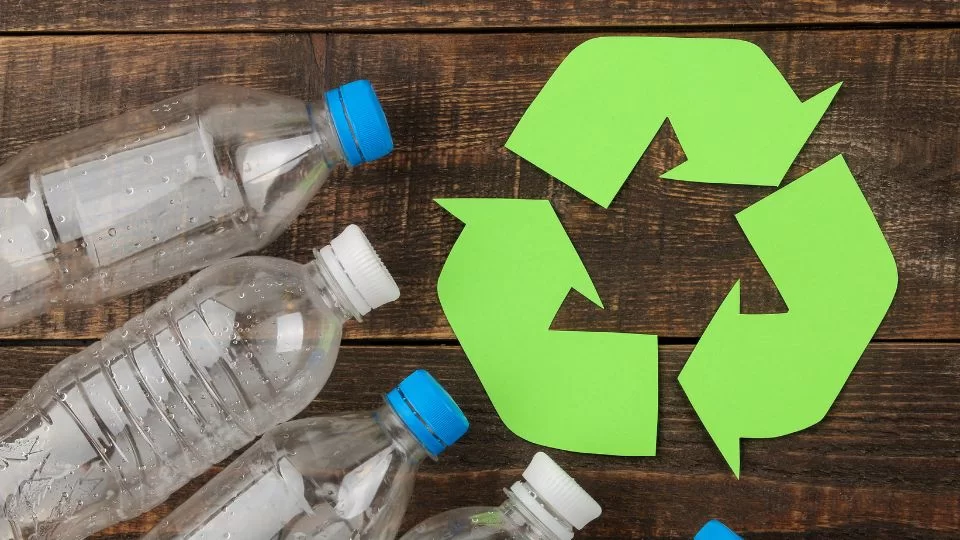
Recycling is generally more environmentally preferable than landfill or incineration methods. This process involves breaking down used plastics and reforming them into new products.
However, recycling faces several practical limitations. Not all types of polymers can be successfully remoulded into new products. Some plastics lose their properties during the recycling process, while others can only be recycled a limited number of times before the material quality becomes too poor for further use.
When recycling is possible, the process often involves shredding the plastic waste and using it to create new materials. For example, recycled plastic might be used in applications like insulation materials, where the exact properties are less critical than in the original application.
Note
Recycling Limitations
The quality degradation that occurs during recycling means that most plastics follow a "downcycling" path - being converted into products of lower quality with each recycling cycle. This is why recycling, while beneficial, cannot be the sole solution to plastic waste.
Reduce and reuse strategies
Reduce/Reuse approaches represent the most environmentally friendly way of addressing plastic waste disposal issues.
Instead of disposing of polymers after single use, consumers are increasingly finding alternative applications for plastic items. This approach tackles the problem at its source by reducing the amount of plastic waste that needs processing.
People can now purchase refill products for many household items, reducing packaging waste. Many products are also available in concentrated forms, which significantly cuts down on plastic packaging requirements. In Ireland, the introduction of the plastic bag levy has demonstrated how policy measures can successfully reduce plastic waste, leading to a notable decrease in polythene bag consumption.
The three Rs hierarchy - Reduce, Reuse, Recycle - represents the preferred order of waste management strategies, with reduction being the most effective approach.
Environmental considerations
The choice of disposal method has significant implications for environmental sustainability. Each method presents different trade-offs between convenience, cost, and environmental impact.
Note
Comparing Environmental Impacts
- Landfill disposal requires the least processing but creates long-term environmental problems
- Incineration can generate useful energy but produces harmful emissions
- Recycling reduces waste but has technical limitations
- Reduce/reuse strategies offer the greatest environmental benefits but require changes in consumer behaviour and product design
The most sustainable approach involves implementing multiple strategies simultaneously, with emphasis on the three Rs hierarchy to minimise overall environmental impact.
Summary
Key Points to Remember:
- Landfill disposal causes long-term problems because plastics remain intact for hundreds of years
- Incineration can generate energy but releases toxic fumes that require careful management
- Recycling is better than landfill or incineration but has limitations - not all plastics can be recycled indefinitely
- Reduce/Reuse strategies are the most environmentally friendly approach to plastic waste
- The three Rs hierarchy (Reduce, Reuse, Recycle) shows the preferred order of waste management methods