Continued Boycotting and White Opposition & Browder vs Gayle (Leaving Cert History): Revision Notes
📚Revision Notes
Continued Boycotting and White Opposition & Browder vs Gayle
We have looked at the ways in which the Boycott was organised, and indeed some of the key successes of the Boycott and its early support. Below we will also explore the role and power of peaceful protest during the Boycott, however, there was also some large-scale opposition, and knowing about this will greatly improve your overall understanding for essays, providing you with the other side of the story and allowing you to formulate an opinion of your own perhaps.
The Power of Peaceful Protest During the Montgomery Bus Boycott
- The Montgomery Bus Boycott is a classic example of the effectiveness of peaceful protest. Inspired by the teachings of Mahatma Gandhi, Dr. Martin Luther King Jr. and other leaders emphasised nonviolent resistance. Participants were encouraged to avoid any form of violence, even when provoked, to maintain moral high ground and garner public sympathy.
- Nearly the entire African American population of Montgomery participated in the boycott. By walking, carpooling, or using other means of transportation, they demonstrated unity and resilience. This mass participation was crucial in sustaining the boycott for 381 days.
- The boycott hit the bus company financially, as African Americans made up about 75% of the bus ridership. The economic pressure forced the city and the bus company to reconsider their policies. This demonstrated how peaceful protest could leverage economic power to achieve social change.
- The commitment to peaceful protest drew national and international attention, highlighting the injustice of segregation without resorting to violence. This approach gained widespread support from various communities, including religious and labour groups.
The Role of the Media in the Montgomery Bus Boycott
- National Attention: The media played a significant role in bringing the Montgomery Bus Boycott to national attention. Reports and photographs of the boycott were published in newspapers and magazines across the country, raising awareness about the struggle against segregation.
- Sympathy and Support: Media coverage helped generate sympathy and support for the boycotters. Stories of their determination and nonviolent resistance inspired others to join the civil rights movement and support the boycott through donations and moral encouragement.
- Documenting Injustice: Coverage of the boycott, including the harsh responses from local authorities and white citizens, helped expose the brutality of segregation. This documentation was crucial in building a case for civil rights reforms.
- Influential Figures: The media also highlighted the leadership of figures like Rosa Parks and Dr. Martin Luther King Jr., bringing their messages of equality and justice to a broader audience. King's speeches and sermons, covered by the media, resonated with many and helped galvanise support for the movement.
White Response to the Montgomery Bus Boycott
- The initial white response to the boycott was largely hostile. Many white citizens and officials in Montgomery resented the challenge to the status quo. Boycotters faced intimidation, threats, and violence. Some were fired from their jobs, while others had their homes attacked.
- City officials attempted to suppress the boycott through legal and political means. Boycott leaders, including Dr. King, were arrested and fined on charges such as conspiracy to interfere with the bus company's operations. These actions aimed to intimidate the protesters and weaken the movement.
- The economic impact of the boycott also led to backlash. Some white business owners pressured the city to resolve the situation as the boycott reduced overall spending in the local economy. However, others doubled down on supporting segregation to avoid appearing weak.
- Groups like the White Citizens' Council actively worked against the boycott, using economic reprisals and propaganda to discourage support for the movement. They tried to reinforce the idea that desegregation would lead to chaos and undermine social order.
- As the boycott gained national attention, the federal government began to take notice. The Supreme Court ruling in Browder v. Gayle, which declared bus segregation unconstitutional, was a turning point that forced Montgomery to desegregate its buses. This intervention highlighted the tension between local segregationist policies and federal civil rights legislation.
Browder v. Gayle (1956)
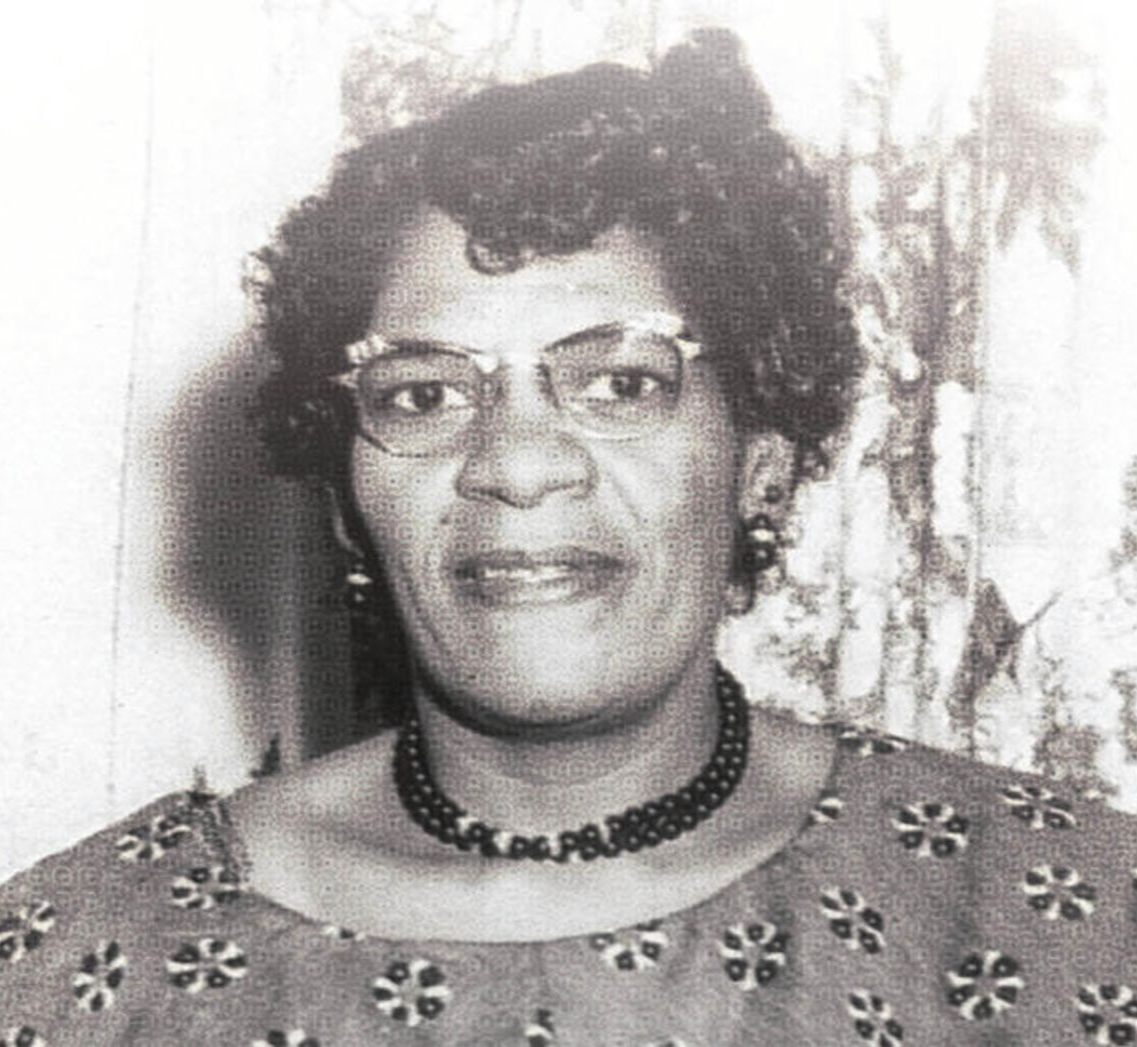
Browder v. Gayle was a pivotal federal court case that challenged the legality of bus segregation in Montgomery, Alabama. The case was filed by attorney Fred Grey on behalf of four African American women—Aurelia Browder, Susie McDonald, Claudette Colvin, and Mary Louise Smith—who had been mistreated under the city's segregation laws. The plaintiffs argued that bus segregation violated the 14th Amendment's Equal Protection Clause. The case was a direct response to the Montgomery Bus Boycott, which began after Rosa Parks' arrest.
On June 5, 1956, a three-judge panel ruled that bus segregation was unconstitutional, and the Supreme Court upheld this decision on November 13, 1956. The ruling mandated the desegregation of Montgomery's public buses, marking a significant victory for the civil rights movement and setting a precedent for future desegregation efforts.
To Sum It Up:
- Browder v. Gayle challenged bus segregation in Montgomery.
- The court ruled that bus segregation was unconstitutional.
- The decision led to the desegregation of public buses in Montgomery.