Fish (Leaving Cert Home Economics): Revision Notes
📚Revision Notes
Fish
Nutritional significance
Fish serves as an outstanding source of nutrients that play crucial roles in maintaining good health. Understanding the nutritional profile of fish helps explain why it's considered such an important part of a balanced diet.
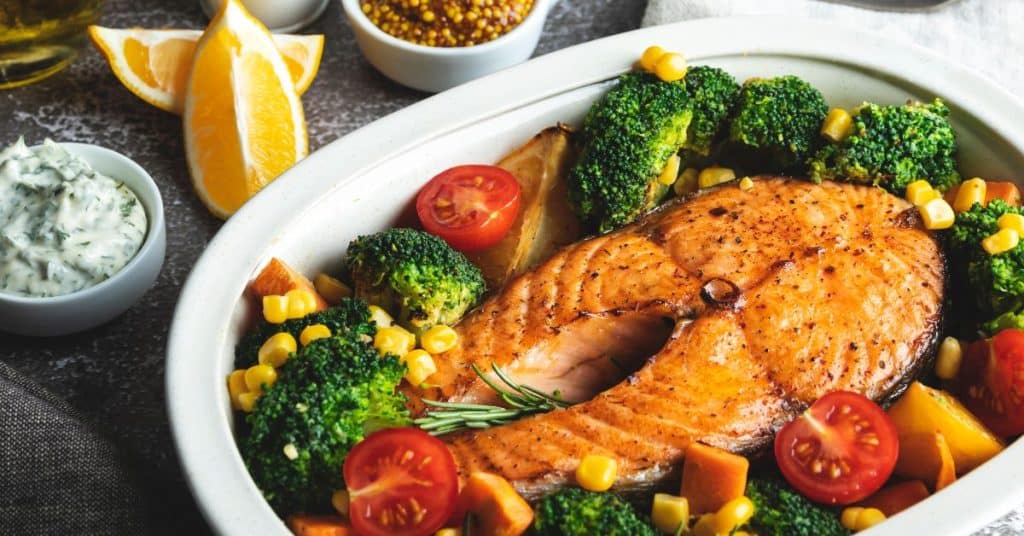
Protein content
Important
High Biological Value (HBV) protein - Fish contains complete proteins that include all essential amino acids required for body growth and tissue repair.
Fish provides excellent quality protein, though the amount varies between different types. White fish typically contains less protein compared to oily varieties. The amino acids found in fish are easily absorbed by the body, making them particularly valuable for muscle development and maintenance. These essential amino acids also support immune system function and various other bodily processes.
Fat composition
The fat content in fish varies significantly depending on the type:
- White fish are naturally low in fat, making them an excellent lean protein source
- Oily fish (such as salmon, mackerel, and sardines) contain beneficial polyunsaturated fatty acids, particularly omega-3 fatty acids including EPA and DHA, which support cardiovascular health
- Shellfish do contain cholesterol but also provide healthy fats
Note
The type of fat in fish is what makes the difference - while white fish are lean, oily fish provide beneficial omega-3s that are essential for heart and brain health.
Vitamins and minerals
Fish contributes several important nutrients to our diet:
- B-group vitamins support energy metabolism and are found in good quantities in most fish
- Vitamins A and D are particularly abundant in oily fish varieties - vitamin A supports vision and immune function, whilst vitamin D is essential for bone health
- Iodine and fluorine from sea fish help maintain thyroid function and dental health
- Calcium is especially rich in shellfish and fish bones (such as in tinned fish), contributing to bone strength
Contribution to the diet
Health benefits
Fish offers numerous advantages when included regularly in meals. It provides a versatile protein source that can be prepared using various cooking methods to suit different preferences. For individuals seeking low-calorie and low-cholesterol meal options, fish represents an excellent choice.
The omega-3 fatty acids found in oily fish varieties have been shown to reduce the risk of heart disease. Fish is also easily digestible, making it suitable for elderly people and those experiencing digestive difficulties. The iodine content in sea fish can help prevent thyroid-related conditions such as goitre.
Potential concerns
Important
Potential Health and Environmental Concerns:
However, there are some considerations to keep in mind. Consuming large amounts of certain fish types may lead to excessive mercury intake, which can be particularly harmful for pregnant women and young children. Additionally, overfishing and unsustainable fishing practices raise environmental concerns and can contribute to the depletion of fish populations.
Guidelines for buying fish
Assessing freshness
When purchasing fresh fish, several indicators can help determine quality:
Note
Signs of Fresh Fish:
- Look for bright, clear eyes and shiny skin
- Gills should appear red or pink in colour
- The flesh should feel firm and spring back when pressed
- Fresh fish should smell like a mild sea breeze, not have a strong, fishy odour
Reading labels
Examine packaging labels carefully for important information including the source, method of catch, and sustainability certifications. Pay close attention to 'use by' and 'best before' dates on packaged fish products to ensure freshness and safety.
Sustainability considerations
Choose fish that has been sustainably sourced to support environmental conservation efforts. Consider the seasonality of different fish varieties to ensure you're purchasing them at peak quality.
Guidelines for cooking fish
Cooking techniques
Fish can be prepared using numerous methods including grilling, baking, steaming, poaching, and frying. The chosen cooking method can significantly impact both the flavour and texture of the final dish. For delicate fish varieties, gentler cooking methods help preserve the texture and natural taste.
Timing and temperature
Important
Fish cooks relatively quickly and can become dry if overcooked. The fish is ready when the flesh becomes opaque and flakes easily when tested with a fork. For thicker portions, use lower temperatures for longer periods to ensure even cooking without drying out the exterior.
Flavouring
Simple seasonings such as lemon, herbs, and butter enhance the natural flavours of fish without overpowering them. When marinating fish, limit the time to prevent the acid in marinades from effectively 'cooking' the fish.
Guidelines for storing fish
Refrigeration practices
Note
Proper Fish Storage: Store fresh fish in the coldest part of the refrigerator and use within 1-2 days of purchase. For extended storage, wrap the fish tightly and place it in the freezer.
Freezing methods
Fish can be frozen for up to six months. Always label packaging with the freezing date. When ready to use, thaw frozen fish in the refrigerator or under cold running water - never at room temperature.
Preventing contamination
Store raw fish separately from cooked and ready-to-eat foods to prevent cross-contamination. Use separate cutting boards and utensils specifically for fish preparation.
Fish spoilage
Understanding how fish deteriorates helps explain proper handling and storage practices.
Oxidative rancidity
This occurs when fish flesh reacts with oxygen in the air, creating unpleasant smells and tastes. The process is more common in fatty fish varieties and can reduce both nutritional quality and palatability.
Bacterial activity
When fish is caught, it experiences stress that depletes its glycogen stores. Normally, glycogen converts to lactic acid, which acts as a natural preservative. Without sufficient lactic acid, fish spoil rapidly.
Bacteria present in fish flesh produce trimethylamine, a strong-smelling nitrogen compound that contributes to the characteristic 'fishy' odour of spoiled fish. These bacteria multiply rapidly, especially in warm conditions, breaking down proteins and releasing foul-smelling compounds.
Enzymatic activity
Enzymes naturally present in fish can cause deterioration even at low temperatures. These enzymes, primarily proteases, break down proteins in muscle tissues, leading to spoilage. Proper handling and refrigeration can slow enzymatic activity but cannot completely stop it.
Effects of cooking and processing
Nutritional changes
Cooking fish causes proteins to coagulate, which improves digestibility. However, cooking can result in the loss of water-soluble vitamins, particularly B vitamins. Fatty fish may lose some valuable omega-3 fatty acids when cooked at high temperatures or for extended periods.
Texture and flavour development
The texture of fish changes significantly during cooking, becoming flaky and firmer. Various cooking methods help develop flavour compounds that enhance the natural taste of the fish.
Food safety
Important
Cooking at proper temperatures ensures the elimination of harmful bacteria and parasites. A core temperature of 63°C is generally recommended for safety.
Methods of processing fish
Freezing
Example
Processing Method: Freezing
Fish are frozen at very low temperatures (typically around -30°C) to inhibit microorganism growth and inactivate enzymes. Freezing preserves nutritional quality whilst extending shelf life significantly. However, improper freezing can lead to texture changes and freezer burn if not properly wrapped.
Examples: frozen fillets and whole frozen fish.
Canning
Example
Processing Method: Canning
This process involves sealing fish in airtight containers and heating them to destroy microorganisms. The process usually occurs at temperatures above 100°C. Canned fish has an extended shelf life but may have altered texture and flavour compared to fresh fish.
Examples: canned tuna and sardines.
Smoking
Example
Processing Method: Smoking
Smoking involves exposing fish to smoke from burning or smouldering materials, usually wood. Cold smoking occurs at temperatures around 27°C, whilst hot smoking reaches temperatures around 80°C. Smoking imparts distinctive flavour and increases shelf life, whilst also changing the texture and colour of the fish.
Examples: smoked salmon and smoked mackerel.
Summary
Key Points to Remember:
- Fish provides high-quality protein with all essential amino acids and beneficial omega-3 fatty acids
- When buying fish, check for clear eyes, shiny skin, and fresh smell to ensure quality
- Store fresh fish in the coldest part of the refrigerator and use within 1-2 days
- Fish spoilage results from oxidative rancidity, bacterial action, and enzymatic activity
- Proper cooking enhances digestibility but may cause some loss of water-soluble vitamins