Diet and Nutrition (Leaving Cert Physical Education): Revision Notes
📚Revision Notes
Diet and Nutrition
Note
Learning Focus:
- Understanding macronutrients, micronutrients, and how a balanced diet benefits performance.
- Importance of hydration in various physical activities and settings.
- The three energy systems in relation to duration, intensity, and type of activity.
- How energy systems can guide preparation for practice, performance, and recovery.
- Exploring the roles and challenges of sports supplements, including sports drinks, in physical activity.
- Nutritional considerations before, during, and after performance in physical activity.
- Designing a dietary plan, including rationale, for a specific physical activity.
Note
The Food Pyramid is a visual guide to help people make healthier food choices. It categorises different types of foods, recommending portions based on their nutritional value and role in maintaining good health.
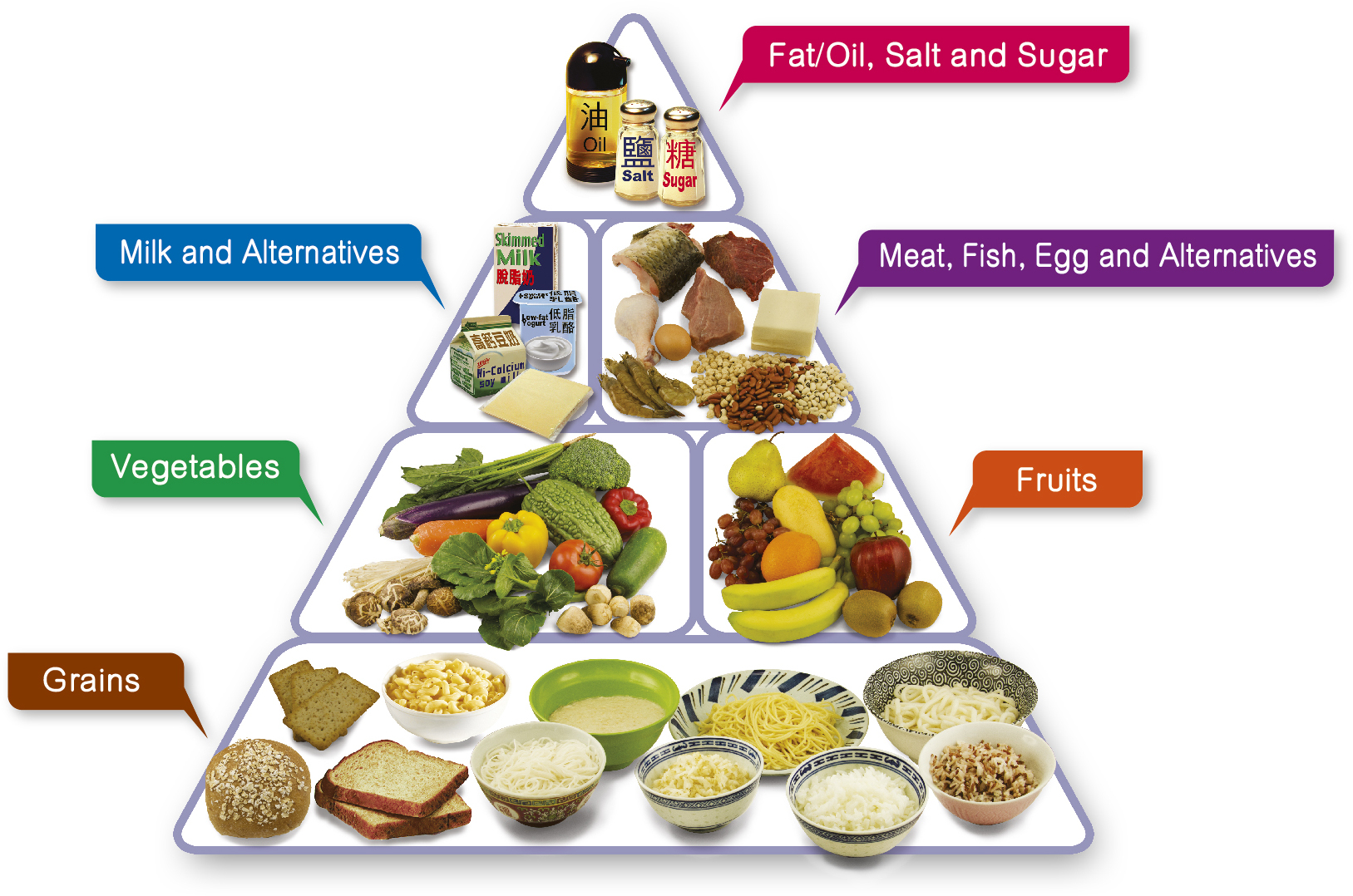
Wholemeal cereals, breads, potatoes, pasta, and rice:
This category provides energy through carbohydrates and should be included in significant quantities. Recommended servings: 5-7 servings daily.
Vegetables, Salad, and Fruit:
These should make up a large portion of your daily intake. Recommended servings: 3-5 servings daily.
Milk, yoghurt, and cheese:
These foods provide calcium and support bone health. Recommended servings: 2-3 servings daily.
Meat, poultry, fish, eggs, beans, and nuts:
These protein-rich foods support muscle repair and growth. Recommended servings: 2 servings daily.
Fats, spreads, and oils:
These should be consumed sparingly. Small amounts are needed, but excess consumption can lead to health issues.
Foods to limit (high in fat, sugar, and salt):
Foods such as sweets, crisps, and sugary drinks should be limited to occasional consumption.
Note
A balanced diet optimises athlete performance. Athletes must consume adequate amounts of
- Macronutrients
- Micronutrients
- Water They must also consider timing.
Balanced Diet and Macronutrients
Note
A balanced diet consists of a variety of foods that provide all the nutrients required for good health, including macronutrients and micronutrients, as well as water and fibre.
Fibre: Supports healthy bowel movements.
Water: Keeps the body hydrated.
Macronutrients (required in large amounts):
- Carbohydrates: Main source of energy.
- Proteins: Essential for muscle growth and repair.
- Fats: Required for energy storage and absorption of some vitamins. Micronutrients (required in small amounts):
- Vitamins: Support various bodily functions.
- Minerals: Necessary for maintaining bone health, hydration, and more. Macronutrients (carbohydrates, proteins, and fats) are the nutrients we consume in larger quantities, providing the body with the energy it needs to function effectively.
Key examples of macronutrient content:
- Avocado: 75% fat, 20% carbohydrate, 5% protein.
- Banana: 95% carbohydrate, 1% fat, 4% protein.
Macronutrients
Note
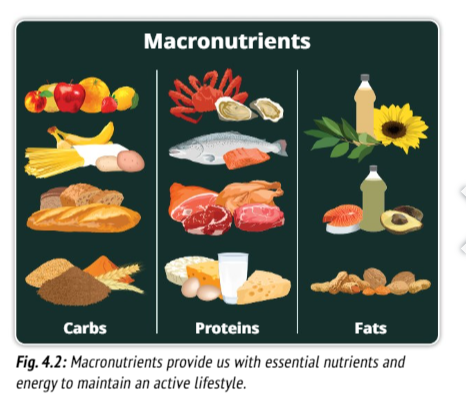
Macronutrients are fat, protein and carbohydrate. These are the nutrients we need in larger quantities that provide us with energy.
Carbohydrates
Carbohydrates are the body's primary energy source. They are stored in the form of glycogen in muscles and the liver and converted into glucose to fuel physical activity.
- Glycogen is crucial for sustaining endurance and performance. Athletes must ensure they consume enough carbohydrates to prevent fatigue, particularly before and during intense exercise. One gramme of carbohydrate provides 4 calories of energy.
Note
Did you know? Athletes often use carbohydrate loading to increase glycogen stores before endurance events, improving their performance and stamina during long bouts of exercise.
- Sources of carbohydrates: Rice, pasta, potatoes, bread, lentils, beans, and vegetables like carrots and cauliflower.
- Simple carbohydrates are digested quickly and provide immediate energy e.g. cakes, biscuits, sweets.
- Complex carbohydrates take longer to digest and provide sustained energy over a longer period of time e.g. whole grains, vegetables, and legumes. Fibre is a type of complex carbohydrate. It aids digestion, reducing the risk of constipation and other bowel disorders. Sources include wholegrain bread, the skin of fruit and vegetables and seeds.
Carbohydrates can be classified into simple and complex types:
Simple vs. Complex Carbohydrates
Simple carbohydrates:
These have a low glycemic index (GI), meaning they break down quickly and provide a short burst of energy. However, they are often low in nutrients and high in sugar, making them less ideal for sustained energy.
Examples: Sweets, sugary snacks.
Complex carbohydrates:
These have a high glycemic index (GI) and are broken down slowly, providing a steady release of energy over time. They are more nutrient-dense than simple carbohydrates.
- Examples: Whole grains, oats, and vegetables.
Note
Did you know? Glucose gels, which contain simple carbohydrates, are often consumed by athletes during endurance events like running, cycling, or triathlons to quickly replenish energy.
| Simple Carbohydrates (low glycemic index) | Complex Carbohydrates (high glycemic index) |
|---|---|
| • Break down quickly | • Break down slowly |
| • Provide a burst of energy | • Release energy over a longer period |
| • Low in nutrients | • High in nutrients |
| • Are found in sugar-based foods | • Are found in whole grains, vegetables, etc. |
Proteins
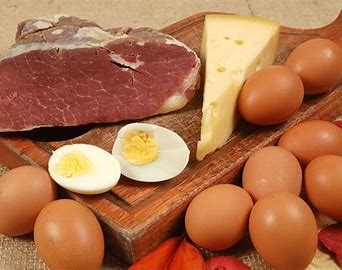
Protein provides the body with amino acids, the building blocks of human cells.
Protein is needed for:
- Muscle growth and repair
- Hormone production
- Enzyme production Athletes need to ensure they consume enough protein to support recovery and muscle building.
It is recommended that athletes consume 1.2-2.0 grammes of protein per kilogramme of body weight each day. Good protein sources include:
- Animal proteins: Meat, poultry, fish, eggs, yoghurt.
- Plant proteins: Beans, legumes, quinoa, nuts, tofu.
Note
Did you know? Eggs, Quinoa and Tofu contain all the essential amino acids the body needs, making them a complete protein source.
| Animal Proteins | Plant Proteins |
|---|---|
| • Come from animal sources | • Come from plant sources |
| • Contain all essential amino acids | • Often need to be combined to provide all essential amino acids |
Fats
Fats are an essential part of a healthy diet and are a good source of energy for active performers.
- The most concentrated source of energy
- Supports cell function and healthy brain development
- Insulates the body
- Protects delicate organs
- Necessary for the absorption of fat-soluble vitamins Saturated fats: found mostly in animal foods e.g. red meat. Also found in fried foods. These increase the risk of coronary heart disease (CHD).
Unsaturated fats: found mostly in plant sources e.g. avocados, nuts, seeds. These decrease the risk of coronary heart disease.
Note
Sources of healthy fats: Nuts, seeds, avocados, olive oil, fatty fish (salmon, mackerel).
Note
Fats should account for 15-20% of an athlete's daily calorie intake. One gramme of fat provides 9 calories of energy.
| Saturated Fats (mainly from animal sources) | Unsaturated Fats (mainly from plant sources) |
|---|---|
| • Can raise blood cholesterol levels | • Lower blood cholesterol |
| • Increase risk of heart disease | • Improve cardiovascular health |
Fibre
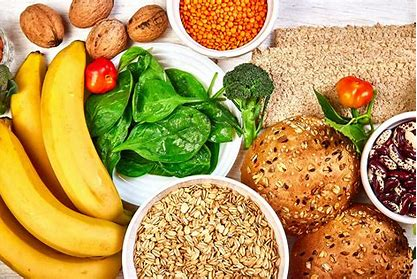
Though fibre does not provide energy, it is an essential part of a healthy diet. Fibre helps the body absorb vitamins and removes waste products.
Functions of Fibre:
- Supports healthy bowel movements.
- Helps you feel fuller for longer.
- Reduces blood cholesterol levels.
Note
Did you know? 80% of Irish adults do not consume enough fibre each day!
Note
Good sources of fibre include vegetables, whole grains, nuts, seeds, and fruits.
Micronutrients
Micronutrients are vitamins and minerals. They are needed in small amounts and are essential for bodily functions.
Micronutrients play a vital role in everything from immune function to bone health. Athletes should consume a wide range of foods to ensure they are getting enough micronutrients to support their training and performance.

Vitamins
There are two types of vitamins:
- Fat soluble vitamins: A, D, E, K. These are stored in fatty tissue in the body.
- Water soluble vitamins: B, C. These cannot be stored in the body and must be replenished each day.
Minerals
| Mineral | Source | Function |
|---|---|---|
| Calcium | • Milk • Cheese • Canned fish with bones (tuna, sardines) | • Needed for strong and healthy bones and teeth. Strong bones are less likely to suffer from stress fractures and broken bones. • Muscle and nerve function-assists muscle contraction and relaxation |
| Chloride | • Table salt • Processed foods | Fluid balance-Performers lose water and electrolytes through sweat. Chloride helps retain water in the cells and prevents dehydration. |
| Iron | • Red meat • Dark, leafy greens • Shellfish | Part of a molecule (haemoglobin) found in red blood cells that carries oxygen in the body, needed for energy metabolism |
| Magnesium | • Nuts and seeds • Legumes • Leafy greens vegetables | • Needed for healthy muscular contractions and normal nerve functioning. • Improves oxygen transport around the body, which is important for performers to release energy. • Needed for energy metabolism. |
| Potassium | • Bananas • Potatoes • Berries | • Improves uptake of water and nutrients into cells • Needed for healthy muscular contractions and normal nerve functioning. • Regulates blood pressure |
Note
Did you know? Minerals like magnesium and potassium are essential for muscle recovery and preventing cramps after intense physical activity. They help maintain proper muscle function and reduce fatigue during prolonged exercise.
Hydration
Note
Learning Focus:
- Hydration during different physical activities and settings.
Drinking sufficient fluids to ensure that all bodily functions can take place as normal is a key component of a balanced diet.
Water and bodily functions:
- Quenches thirst
- Medium in which chemical reactions can occur
- Temperature regulation
- Maintain blood volume
- Aids digestion and the absorption of food
Note
For those involved in physical activities, hydration is even more important.
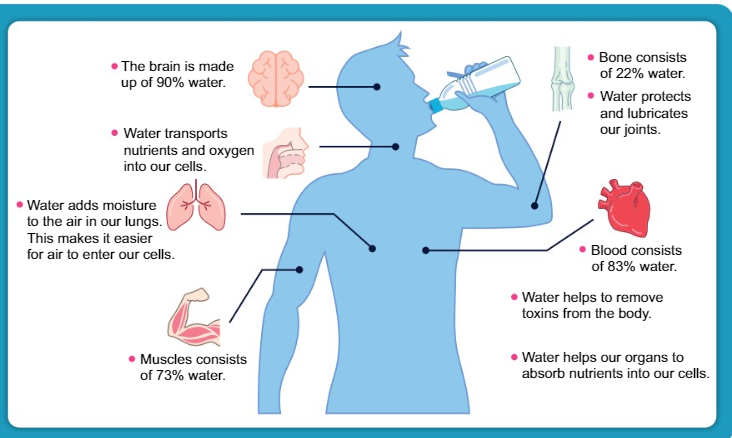
Good Hydration:
Ensuring you drink the right amount of water before, during, and after exercise is essential for maintaining bodily functions. A lack of hydration can severely impact performance and recovery.
Importance of Water:
- Transports nutrients and hormones.
- Removes waste products from the body.
- Helps regulate body temperature during exercise.
Note
Did you know? The mineral content of bottled water can vary depending on its source, affecting the quality and hydration level.
How Much Water?
To calculate the amount of water needed, use this formula:
Water (litres/day) = Your weight (kg) x 0.035
For example:
If you weigh 80 kg, you should drink about 2.8 litres of water per day. Exercise increases water requirements, so make sure to hydrate before and after activity.
Practical Task:
Calculate how much water you need per day for your body weight using the formula.
Dehydration
Note
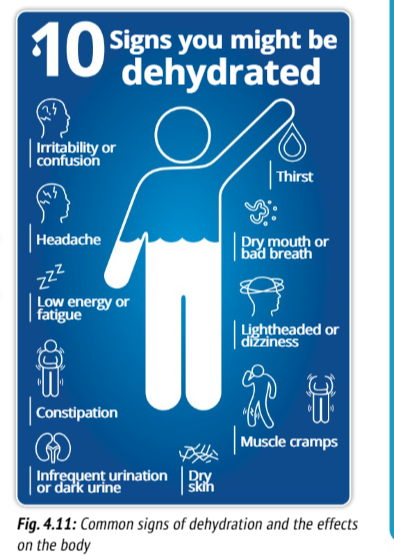
Dehydration occurs when fluid lost through sweating is not replaced. Even mild dehydration can lead to headaches, fatigue, and reduced concentration. In athletes, dehydration impacts energy levels, making it harder to access stored glycogen.
Note
Signs of Dehydration:
- Thirst
- Dry mouth
- Dark urine
- Fatigue
- Confusion
Hydration levels can be measured by the colour of urine:
| Colour of Urine | Hydration Level |
|---|---|
| Clear/Light yellow | Well-hydrated |
| Yellow | Slightly dehydrated |
| Dark yellow | Dehydrated |
| Brownish yellow | Severely dehydrated |
Note
Did you know? Overhydrating with water or sports drinks can lead to hyponatremia, a condition in which the body has too much water relative to its salt levels.
Hydration During Exercise
Water is lost through sweat to maintain body temperature and sweat also causes loss of salts, which can affect bodily functions. Proper hydration helps to prevent heat-related illnesses, maintains endurance and supports overall athletic performance.
Proper hydration is essential both before and during exercise, especially for intense or prolonged activities. Athletes should drink water throughout the day and during exercise to prevent dehydration.
| Duration of Exercise | Hydration Recommendations |
|---|---|
| Less than 45 minutes | Hydrate with water |
| 45-75 minutes | Replace fluids with water and electrolytes (sports drinks) |
| More than 75 minutes | Include carbohydrate and fluid intake during the activity |
Note
Adding a pinch of salt or sports drinks can help the body retain water and prevent dehydration.
Note
Dehydration occurs when fluid loss is not replaced by fluid intake. It can cause headaches, fatigue and constipation.
Sample Question:
2020 Leaving Certificate Higher Level (Q15b)
Some performers prefer to drink chocolate milk after training. What benefits might chocolate milk provide over water?
Sample Answer:
Note
Water alone contains some minerals that are helpful for hydration, but chocolate milk offers more nutritional benefits. It contains proteins, carbohydrates, and fats needed for muscle repair and recovery. The protein in chocolate milk aids muscle repair and growth, while carbohydrates restore glycogen stores. Chocolate milk also contains calcium, which is essential for bone health, and other minerals such as sodium and magnesium, which help prevent cramping and promote muscle function.
Sports Supplements
Note
Learning Focus:
- The roles and challenges of sports supplements, including sports drinks, in physical activity.
Note
Sports supplements provide additional nutrients and energy required during intensive activities, aiding in performance and recovery. They can be especially useful for athletes with high energy demands or specific dietary needs.
Types:
- Electrolytes: Replenish lost minerals during sweating. Electrolyte supplements or drinks help to replace sodium, potassium, and other minerals lost through sweat, preventing cramps and maintaining hydration balance.
- Protein shakes: Support muscle recovery post-exercise. Protein shakes provide a convenient source of high-quality protein to aid in muscle repair and growth after intense workouts.
- Energy gels: Offer quick energy during endurance events. Energy gels provide easily digestible carbohydrates that deliver quick energy to sustain performance during long-duration activities.
Dietary Supplements:
A dietary supplement is a product added to the diet to compensate for a deficiency in nutrients.
Dietary supplements should be used sparingly, and a performer's nutritional needs should primarily be met by food intake. Eating whole foods, including various foods containing vitamins and minerals, and appropriately timing meals and snacks, is critical for meeting the demands of training and performance. However, in some cases, supplements may be recommended by GPs or other professionals.
Sports supplements are widely marketed, and advertisements often promote them as essential for performance. However, the supplement industry can be difficult to navigate, and it's essential to differentiate between legitimate supplements and risky products from unregulated markets.
The Athlete's Food Pyramid:
- High-quality whole foods form the foundation.
- Micronutrients and nutrient timing are important for fuelling performance.
- Supplements are used sparingly, only when necessary.
Sports Drinks
Sports drinks are formulated to contain electrolytes such as sodium, potassium, and chloride to provide energy before, during, or after physical activity.
What Sports Drinks Contain: The primary component of sports drinks is water, followed by carbohydrates (such as glucose), sodium, and other electrolytes that aim to improve performance. Sports drinks are typically 6–8% carbohydrates (roughly 28g per 500 ml of drink). However, not all sports drinks are effective, and some lack the necessary electrolytes. The electrolytes in these drinks are often sodium and potassium chloride.
Energy drinks often include stimulants such as caffeine, along with sugar, protein, vitamins, and other minerals. Sports drinks do not generally contain stimulants.
Proper Hydration Guidelines
Drink water:
- Before activity (about 400-600 ml).
- During activity (150-350 ml every 15–20 minutes).
- After activity, to replenish lost fluids (aim for 1.5x the fluid loss).
- Choose water over sugary drinks and avoid drinks high in sugar, sweeteners, and calories.
Note
Drink Sports Drinks When:
- Replacing lost electrolytes.
- In high heat or humidity.
- During long-duration activities.
- After high-intensity sessions. For most cases, water remains the best option for hydration.
| Supplement | Who? | How? | Roles | Challenges |
|---|---|---|---|---|
| Protein | • Performers who want to build lean muscle mass. • Performers seeking a protein source. • Aids recovery through growth and repair. • Readily available and doesn't require cooking. | • Whey and casein (dairy). • Soy protein (for vegetarians/vegan). • Egg protein • Rice protein. • Pea protein (gluten-free, high in amino acids). | • Promotes muscle growth. • Aids fat loss and weight management. • Lowers blood pressure and cholesterol. • Reduces inflammation. | Digestive issues (constipation, bloating). • Kidney/liver stress from excessive intake. • Reduction in bone density through calcium excretion. |
| Creatine | • Power and strength athletes. • Athletes engaged in high-intensity activities. • Performers using the ATP-PCr energy system. | • Creatine monohydrate in tablet or powder form. | • Increases training duration by regenerating ATP. Boosts creatine phosphate stores. | • Water retention, bloating, weight gain. • Muscle cramps. • Possible liver and kidney damage. |
| Caffeine | • Power and strength athletes. Speed and reaction-based sports. • Endurance athletes requiring focus and performance. | Found in coffee, teas, colas, and sports drinks. • Can be taken through tablets or consumed naturally. | • Stimulates the central nervous system. • Delays muscle fatigue. Increases focus and reaction time. Encourages fat burning. | • Can cause dehydration (diuretic). Insomnia, increased heart rate, anxiety. Withdrawal symptoms (e.g., headaches). |
| Nitrates | • Endurance athletes needing improved oxygen uptake and blood flow efficiency. | Found in leafy and root vegetables (beetroot). Available in concentrated powders and tablets. | Maximises oxygen uptake. Increases lactate threshold. Improves blood flow to muscles. | Headaches. Dizziness. Low blood pressure. |
Glycogen Loading
Note
Glycogen loading, also known as carbohydrate loading, is a strategy used by endurance athletes to optimise their performance by manipulating their diet. The primary goal of glycogen loading is to maximise the body's glycogen stores in the muscles, which is the preferred fuel for prolonged aerobic activities. Athletes in sports such as long-distance running, cycling, and swimming often use this technique to enhance endurance and delay the onset of fatigue during competitions.
The Glycogen Loading Process
Glycogen loading typically takes place over the course of six days and involves two key phases:
- Glycogen Depletion Phase (Days 1-3):
- For the first 2-3 days, athletes engage in intense training sessions while following a low-carbohydrate diet. This is designed to significantly deplete glycogen stores in the muscles.
- During this phase, athletes continue their usual training load, which helps to further reduce their glycogen reserves.
- Glycogen Repletion Phase (Days 4-6):
- Following the depletion phase, athletes switch to a high-carbohydrate diet for the next 3 days. This phase involves consuming large quantities of carbohydrates (around 7-12 grammes of carbohydrates per kilogramme of body weight).
- The sudden increase in carbohydrate intake helps to "supercompensate" the muscles with glycogen, meaning that glycogen stores are replenished to higher levels than before the depletion phase.
- Training intensity is typically reduced during this period to allow the body to store as much glycogen as possible.
Benefits of Glycogen Loading
- Increased Glycogen Stores: The primary benefit of glycogen loading is that it significantly increases the amount of glycogen stored in the muscles. This provides athletes with a larger energy reserve to draw upon during endurance activities.
- Delayed Fatigue: With higher glycogen levels, athletes can delay the onset of fatigue. This allows them to maintain higher intensities for longer periods without experiencing a significant drop in performance.
- Enhanced Endurance Capacity: By maximising glycogen stores, athletes are able to improve their overall endurance capacity, which is essential for prolonged aerobic activities.
Challenges and Side Effects
Despite its benefits, glycogen loading comes with some potential drawbacks, particularly during the depletion phase:
- Weight Gain: The increase in glycogen stores is accompanied by water retention. For every gramme of glycogen stored, approximately 3 grammes of water are also stored. This can lead to temporary weight gain, which may cause some discomfort for athletes.
- Heavy Legs and Bloating: As glycogen is replenished along with water, athletes may experience a feeling of heaviness in their legs, as well as bloating. This can temporarily affect their mobility and comfort levels.
- Mental Irritability: The depletion phase, where athletes follow a low-carbohydrate diet, can lead to mental irritability and decreased cognitive function. Low carbohydrate intake can affect mood and concentration, making this phase psychologically challenging.
Practical Considerations
- To maximise the effectiveness of glycogen loading, it is crucial for athletes to follow the correct timing and proportions of carbohydrate intake. Athletes should consume easily digestible carbohydrates during the repletion phase to avoid gastrointestinal discomfort.
- It is also important to note that glycogen loading is only beneficial for endurance events lasting longer than 90 minutes. For shorter activities, glycogen loading is not necessary.
Post-Exercise Recovery
Research has shown that consuming a combination of carbohydrates and protein in a 4:1 or 3:1 ratio (respectively) within 20-30 minutes after exercise helps to replenish glycogen stores more efficiently than carbohydrates alone. This post-exercise window is critical for recovery and can enhance performance in subsequent sessions or events.
Timing
Pre-exercise
Focus on carbohydrates for energy. Consuming a meal rich in carbohydrates 2-3 hours before exercise can help ensure adequate glycogen stores. A snack like a banana or an energy bar about 30 minutes before can provide an additional energy boost.
During exercise
Maintain hydration and energy levels with sports drinks. For prolonged activities, sipping on sports drinks can help replenish electrolytes and provide quick energy through simple sugars, helping to maintain performance and prevent dehydration.
Post-exercise
Emphasise protein intake for muscle recovery. Consuming protein within 30 minutes to an hour after exercise helps kickstart muscle repair and growth. Combining protein with carbohydrates in a post-workout meal or shake can also help replenish glycogen stores and support recovery.
The Energy Systems
Note
The Energy Systems
Learning Focus:
- Understanding how the three energy systems work based on duration, intensity, and type of activity.
- How energy systems help in preparation, performance, and recovery.
Note
Energy is the ability to do work and this includes all human movement and activity.
Note
Energy systems refer to the specific process by which energy is produced and used by the body.
Note
The energy systems are divided into: 4. ATP-PCr: The phosphocreatine system provides immediate energy for short bursts of high intensity. 5. Anaerobic: Produces energy without oxygen, suitable for short, intense activities. 6. Aerobic: Relies on oxygen to produce energy, suited for long-duration activities. All three systems produce a chemical called adenosine triphosphate (ATP).
| ATP-PCr | Anaerobic | Aerobic |
|---|---|---|
| Phosphocreatine system | Anaerobic glycolysis | Oxidative energy system |
| Creatine phosphate system | Anaerobic lactate energy system | Aerobic glycolysis |
| Alactic energy system | Lactate energy system | Long-term energy system |
| Short-term energy system | Medium-term energy system |
The ATP-PCr energy system is the immediate source of ATP for muscle action. It will provide energy at maximum intensity, but for a short duration (8-10 seconds).
The anaerobic energy system uses glycogen and glucose to produce ATP without requiring oxygen.
The aerobic energy system uses oxygen to produce ATP. Stored fats and carbohydrates are the fuel source for this energy system.
The energy continuum is the relative contribution of all three energy systems to producing energy (ATP).
ATP-PC System:
Provides immediate energy for short, explosive movements.
- Duration: Lasts up to 10 seconds. Example:
- A sprinter in the 100m dash relies on the ATP-PC system for the burst of speed required throughout the race.
Anaerobic Glycolytic System:
The anaerobic energy system produces ATP without using oxygen and relies on the breakdown of glucose. It kicks in after the ATP-PCr system is depleted, providing energy for 1-2 minutes of high-intensity effort.
- The process results in the production of lactate (lactic acid), which can cause muscle fatigue.
- It fuels activities like sprinting and middle-distance races, but requires 20-60 minutes of recovery. Example:
- A 400m runner utilises the anaerobic glycolytic system to maintain speed over the duration of the race.
Aerobic System:
The aerobic system uses oxygen to produce ATP and is primarily used for long-duration, moderate-intensity activities. Fats and carbohydrates are broken down into glucose and fatty acids, which are then used to produce energy.
Fuels are prolonged by using oxygen to produce sustained energy from glycogen and fat stores.
- This system supports sustained activity for longer than 2 minutes.
- It is slower to produce ATP but more efficient, using glycolysis and fatty acid oxidation for fuel. Example:
Marathons, triathlons, and endurance events.
- A marathon runner depends on the aerobic system to provide energy over the long duration of the race.
The ATP-PCr System
The ATP-PCr system is the immediate source of energy used for short, high-intensity activities. It lasts approximately 3–10 seconds and does not require oxygen.
- Adenosine triphosphate (ATP) provides energy for muscular contractions.
- When the muscles deplete ATP, phosphocreatine (PCr) is broken down to produce more ATP, allowing for short bursts of energy.
- After about 10 seconds, ATP production drops, and recovery time (around 2-5 minutes) is needed. Examples:
100m sprints, weightlifting, and jumping events.
The Energy Continuum
The energy continuum refers to how the energy systems work together based on the duration and intensity of an activity.
- For the first 8-10 seconds, the ATP-PCr system dominates.
- Between 10-60 seconds, both the anaerobic and aerobic systems contribute.
- After 2 minutes, the aerobic system becomes the primary energy source. Different sports use these systems in varying proportions depending on their demands:
| Sport | ATP-PCr (%) | Anaerobic (%) | Aerobic (%) |
|---|---|---|---|
| Golf Swing | 95 | 5 | 0 |
| 100m Sprint | 90 | 10 | 0 |
| Gymnastics | 80 | 15 | 5 |
| Soccer | 50 | 20 | 30 |
| Marathon Running | 0 | 0 | 100 |
Training the Energy Systems
To improve performance, athletes can train specific energy systems:
- ATP-PCr system: High-intensity intervals of 8-12 seconds, followed by rest.
- Anaerobic system: Sprints or activities that push lactate threshold.
- Aerobic system: Long-duration, steady-state cardio to improve oxygen efficiency. Example Training Session:
400m intervals for anaerobic training or long-distance running to enhance aerobic capacity.
Note
Sample Question: 2021 Leaving Certificate Case Study (Q13e) Question: With reference to the case study, name the three phases of a 2,000m rowing race and explain the contribution of the relevant energy systems during each phase.
Answer:
- The initial sprint phase is powered by the ATP-PCr system, providing quick energy for 10-15 seconds of explosive effort.
- As the rowers continue, the anaerobic glycolytic system takes over, supporting the middle phase with energy for up to 2 minutes.
- For the final part of the race, the aerobic system contributes more significantly, providing sustained energy over the remaining minutes of the race.
Designing a Dietary Plan for Physical Activity
Note
Learning Focus
- Nutritional considerations before, during, and after physical activity.
- Design a dietary plan with rationale for a selected physical activity.
Note
Crafting a tailored dietary plan is essential for supporting an athlete's training regimen, goals, and specific energy requirements. The following should be taken into consideration:
- Athlete Profile
- Macronutrient Balance
- Timing
Note
Energy Expenditure and Balance Metabolism refers to how the body converts food and drinks into energy. Performance requires energy, which is measured in calories. A key part of understanding energy balance is recognising the basal metabolic rate (BMR), which is the minimum energy required for basic bodily functions at rest. It's essential to factor in activity to this base energy requirement to determine total energy expenditure.
Note
Energy Expenditure Formula Energy Expenditure = BMR + Calories burned through activity.
Athlete Profile
Take into account age, weight, type of activity, and training intensity.
Example:
- A 20-year-old, 70kg endurance cyclist training for a long-distance event requires a different dietary plan than a 25-year-old, 85kg weightlifter focusing on strength.
Note
Males typically have a 10-15% higher metabolic rate than females due to larger skeletal muscle mass.
Note
BMR Calculation:
- BMR can be calculated by body surface area, age, height, and weight. Fitness Levels and Activity Multipliers:
- Sedentary: BMR x 1.2.
- Lightly Active: BMR x 1.375.
- Moderately Active: BMR x 1.55.
- Very Active: BMR x 1.725.
- Extra Active: BMR x 1.9. Tracking and adjusting energy consumption based on activity levels is vital to maintain an energy balance suitable for physical demands.
Macronutrient Balance:
Ensure adequate intake of carbohydrates for energy, proteins for muscle repair, and fats for sustained energy.
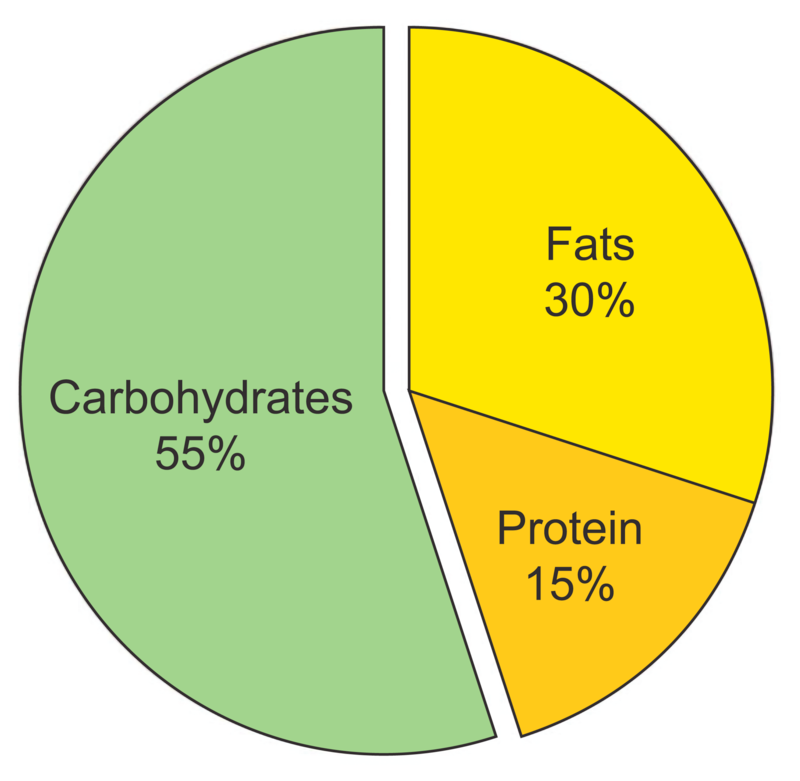
Carbohydrates should make up about 55% of total energy intake, followed by fats at 30% and protein at 15%.
Example:
- Ensure adequate intake of carbohydrates for energy, proteins for muscle repair, and fats for sustained energy. The average daily carbohydrate requirements for moderate to intense exercise (grammes per kilogramme)
| Hours of activity | Carbohydrate intake (g per kg) |
|---|---|
| 5–5 hours/week | 4–5 g |
| 5–7 hours/week | 5–6 g |
| 1–2 hours/day | 6–7 g |
| 2–4 hours/day | 7–8 g |
| >4 hours/day | 8–10 g |
Protein Intake:
Recommended Daily Protein Intake:
- Inactive individuals: 0.8 - 1.0 g per kg of body weight.
- Moderate-intensity athletes: 1.2 - 1.7 g per kg.
- Strength and power athletes: 1.7 - 2.0 g per kg.
Note
Food Serving Sizes for Protein:
- Beef steak (100g) = 31g protein.
- Chicken breast (100g) = 32g protein.
- Eggs (2 large) = 12g protein.
- Yoghurt (Greek style, 125g) = 6g protein.
Nutritional Considerations for Performers:
- Ensure that the athlete's needs are central to the dietary plan.
- Match diet to the intensity and type of physical activity.
- Take into account the training phases, energy needs, and recovery processes.
- Adjust macronutrient and micronutrient intake accordingly.
- Include hydration, considering both the environment and performance demands.
Timing:
Note
Timing and consistency are essential when it comes to protein consumption. Instead of having a single large intake, it's important to spread protein throughout the day to allow for active muscle repair and growth. Example:
- An athlete might consume a high-carbohydrate meal 3-4 hours before a race and a smaller, easily digestible snack 30 minutes prior to ensure optimal energy levels.
Steps to Design a Dietary Plan
- Asses Nutritional Needs
- Plan Meals and Snacks
- Adjust for Goals
1. Assess Nutritional Needs:
Determine the specific nutritional needs based on the athlete's activity type and duration. For example, an endurance athlete may need a higher carbohydrate intake compared to a strength athlete.
2. Plan Meals and Snacks:
Include a variety of nutrient-dense foods in the diet. A sample meal plan might include:
- Breakfast: Porridge with fruit and nuts.
- Lunch: Whole grain pasta with chicken and vegetables.
- Dinner: Grilled salmon with quinoa and steamed broccoli.
- Snacks: Greek yoghourt with berries, nuts, and seeds.
3. Adjust for Goals:
Tailor the dietary plan to support specific goals such as muscle gain, fat loss, or endurance improvement. For instance, a weight loss plan might reduce overall caloric intake while maintaining high protein levels to preserve muscle mass.
Example meal plan:
Note
Created to meet the demands of swimming as an endurance-based sport.
| Match Time 10 a.m. | Revised Nutrition Plan |
|---|---|
| 7:00 a.m. (Breakfast • 3 hours before) | Whole grain oatmeal with mixed berries and chia seeds. Drink water or an isotonic sports drink (20 g protein, 150 g carbs, fruit, fibre, and healthy fats) |
| 9:30 a.m. (Pre-swim snack • 30 minutes before) | Banana with almond butter and a sports drink (8 g protein, 50 g carbs, potassium, healthy fats) |
| During swim session | Diluted electrolyte drink or water (50:50) |
| 11:00 a.m. (Post-swim snack) | 400 ml chocolate milk or recovery shake, Banana or dried fruit with nuts (15 g protein, 50 g carbs, calcium, electrolytes) |
| 12:00 p.m. (Lunch) | Grilled chicken sandwich on whole grain bread with avocado and vegetables Greek yoghourt with honey (25 g protein, 100 g carbs, fibre, healthy fats, electrolytes) |
| 3:00 p.m. (Snack) | Apple with peanut butter. Whole grain crackers with cheese (10 g protein, 40 g carbs, healthy fats) |
| 6:00 p.m. (Dinner) | Salmon with quinoa, roasted vegetables, and spinach salad. Water or herbal tea (30 g protein, 120 g carbs, healthy fats, fibre, omega-3s) |
| 8:00 p.m. (Post-training snack) | Cottage cheese with mixed berries and flaxseeds or protein shake (15 g protein, low carbs, healthy fats, fibre) |
Note
This plan is more focused on fuelling the high-energy demands of a swimmer, ensuring balanced nutrition before, during, and after the event or training session, with an emphasis on hydration and nutrient replenishment.