The Role of Nutrition (Grade 11 NSC Matric Life Orientation): Revision Notes
📚Revision Notes
The Role of Nutrition
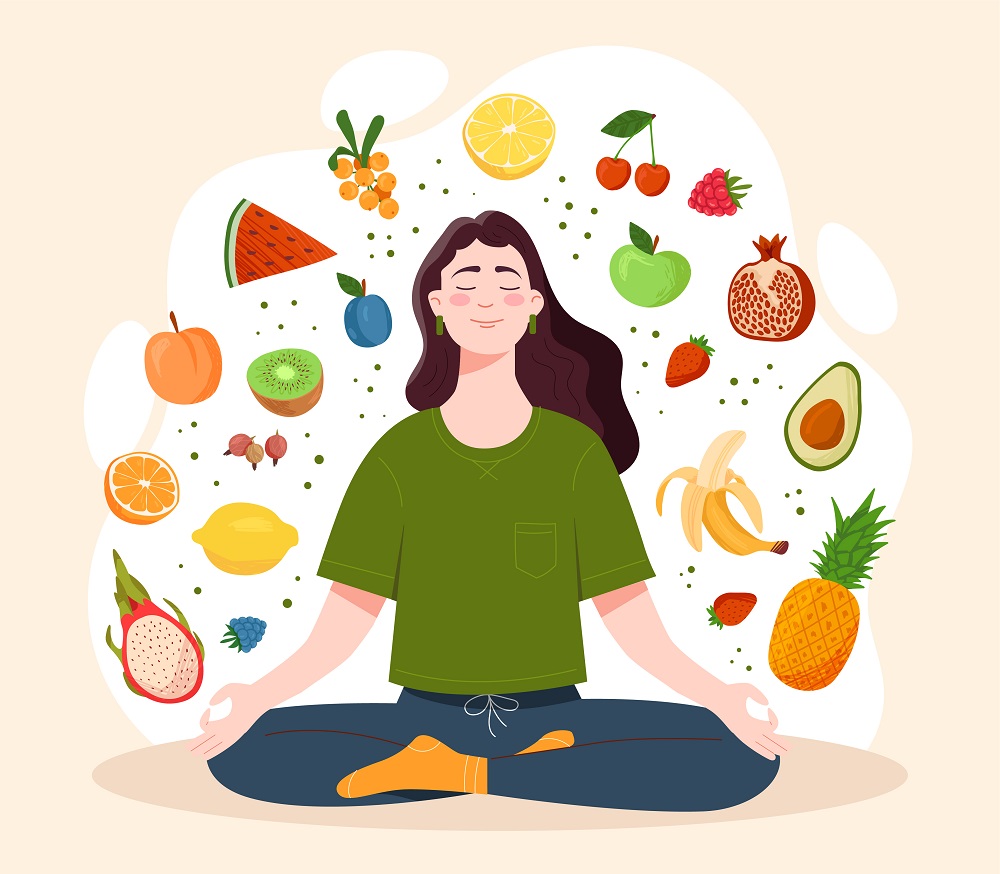
Why nutrition matters for your health and fitness
Nutrition plays a crucial role in maintaining good health and supporting physical activity. To stay healthy and perform well physically, you need to follow a nutritious, balanced diet combined with regular exercise. This means eating a variety of foods, including fresh fruits and vegetables every day, to improve your physical performance and keep your body healthy.
Note
The foundation of good health lies in the balance between what you eat and how active you are. Neither good nutrition nor exercise alone can provide optimal health benefits.
The key principles for healthy nutrition include:
- Managing your weight through proper diet and regular physical exercise
- Eating nutritious foods from all food groups
- Drinking enough water throughout the day
- Avoiding extremes like crash diets or overeating
The connection between nutrition and physical activity
There is a strong relationship between what you eat and how much physical activity you do. This relationship works on the principle of intake versus output - the energy you consume through food should match the energy you burn through physical activity and daily living.
Important
When your food intake doesn't match your physical activity levels, you won't be able to manage your weight effectively. Eating without exercising can lead to weight gain, whilst exercising without proper nutrition can leave you feeling weak and unable to perform at your best.
Understanding energy in food
Kilojoules
A kilojoule (kj) is the unit used to measure how much energy food provides to your body. Food labels show how many kilojoules are in one serving, helping you understand the energy content of what you're eating. The more physically active you are, the more kilojoules your body needs to function properly.
Essential nutrients for active individuals
Carbohydrates - your body's main fuel
Carbohydrates are your body's preferred source of energy, especially when you're physically active. Here's what you need to know:
- Best sources: Fruits, vegetables, and wholegrain foods like cereals, sweet potatoes, wholewheat brown bread, and wholewheat pasta
- Recommended intake: If you're an athlete or very physically active, aim for 6-8 grammes per kilogramme of your body weight each day
- Timing: Eat carbohydrates immediately after training to increase muscle glycogen and improve recovery time
- Proportion: Carbohydrates should make up about 40% of your total food intake
Example
Carbohydrate Calculation Example:
If you weigh 60kg and are very physically active:
- Minimum daily carbs: grammes
- Maximum daily carbs: grammes
This means you need between 360-480 grammes of carbohydrates daily for optimal performance.
Note
Sweet potatoes are excellent carbohydrate sources as they contain beta carotene (an antioxidant), vitamin C, and vitamin E, which help with muscle recovery after exercise.
Protein - for muscle repair and growth
Protein is essential for building and repairing muscles, especially after physical activity.
- Sources: Fish, meat, dairy products (milk and cheese), beans, lentils, nuts, and eggs
- Energy content: Protein provides 17 kilojoules per gramme
- Recommended intake: If you're physically very active, consume about 1 gramme per kilogramme of your body weight daily, up to a maximum of 2 grammes per kilogramme during intense strength training
- Special benefits: Fish like sardines and mackerel provide protein, iron, and vitamin B12, all essential for athletic performance
Fibre - for digestive health
Fibre keeps your digestive system healthy and helps you feel full without providing kilojoules.
- Benefits: Supports healthy digestion and helps control appetite
- Sources: Wholewheat bread, cereals, beans, and dried fruit
- Target: Choose foods with at least three grammes of fibre per serving
Vitamins and minerals - for overall health
Essential vitamins and minerals support various body functions and are particularly important for active individuals.
- Key nutrients: Vitamins A, B, C, D, plus calcium and iron
- Calcium sources: Yoghurt is excellent for calcium and vitamin B12
- Antioxidants: Fruits contain vitamin C and antioxidants that help reduce cell damage from intense physical activity
- Energy support: Fruits provide carbohydrates and fibre to maintain energy levels
- Convenient options: Bananas, berries, and oranges make great snacks between physical activities
Fats - essential in moderation
Despite common misconceptions, your body needs some fats every day for proper functioning.
- Functions: Fats provide energy, protect organs, maintain healthy skin and bones, and help your body absorb vitamins
- Good fats: Unsaturated fats found in vegetable oils, nuts, and fish don't raise cholesterol levels like saturated fats do
- Recommended intake: Physically active teenagers should consume about 70 grammes of fat per day
- Guidelines: Choose foods with less than three grammes of fat per 400 kilojoules per serving
Important
Never cut out all fats from your diet - your body needs a small amount daily to function normally.
Hydration and sugar management
Water - your most important nutrient
Proper hydration is critical for physical performance and overall health.
Important
Hydration Guidelines:
- Always drink enough water when physically active
- Avoid flavoured waters and fizzy drinks due to high sugar content
- Avoid energy and sports drinks as they contain harmful stimulants and excessive calories
- Choose water over sugary drinks to prevent weight gain and tooth decay
Sugar - consume wisely
Managing sugar intake is important for maintaining stable energy levels and preventing health problems.
- Daily limit: Avoid consuming more than one teaspoon of sugar per day
- Hidden sugars: Be aware that many processed foods contain hidden sugars
- Glycaemic Index (GI): This system classifies carbohydrate foods based on their effect on blood sugar levels
- Low-GI benefits: Foods like beans, vegetables, and wholegrain bread break down slowly, keeping you full longer and maintaining stable blood sugar levels
High-energy snacks for physical activity
Eating a nutritious snack before exercise improves your performance, stamina, and endurance whilst preventing low blood sugar that can drain your energy.
Note
Great pre-exercise snacks include:
- One wholewheat brown bread sandwich with peanut butter or honey
- Half a cup of peanuts, raisins, or mixed dried fruit and seeds
- A small bowl of cereal with banana (check sugar content first)
- One serving of yoghurt with fruit
Practical portion control
Understanding proper portion sizes helps you maintain a balanced diet without overeating or under-eating.
Example
Basic Portion Guidelines:
- Grains: 1 large slice of brown bread, 1 large potato, or 1 cup rice
- Vegetables: 1 cup cooked vegetables or 2 cups raw salad
- Fruit: 1 large fruit, 2 small fruits, or 1 cup very small fruits
- Protein: Meat or fish the size of your palm, 1 cup lentils, or 1 egg
- Dairy: 1 cup milk, ¾ cup yoghurt
Summary
Key Points to Remember:
- Balance is key: Combine nutritious eating with regular physical activity for optimal health and fitness
- Variety matters: Eat different types of foods from all food groups to get complete nutrition
- Timing counts: Eat carbohydrates before and after exercise for energy and recovery
- Hydration is crucial: Always drink enough water, especially during physical activity
- Avoid extremes: Don't cut out entire food groups or follow crash diets - your body needs all nutrients in proper amounts