Business Sectors (Grade 12 NSC Matric Business Studies): Revision Notes
📚Revision Notes
Business Sectors
What are business sectors?
Business sectors are different categories that help us group businesses based on what they do and how they operate. Think of them as three main "teams" in the economy, where each team has a specific job to do. These three sectors work together like links in a chain of production to bring products and services from nature all the way to your local shop.
Understanding business sectors helps us see how the economy works and how different businesses depend on each other to be successful.
Note
The concept of business sectors is fundamental to understanding how modern economies function. Each sector has distinct characteristics but cannot operate in isolation from the others.
The three business sectors
Primary sector
The primary sector is like the "gatherer" of the economy - it's all about taking resources directly from nature. Businesses in this sector focus on extracting, collecting, or harvesting natural resources and raw materials from the earth.
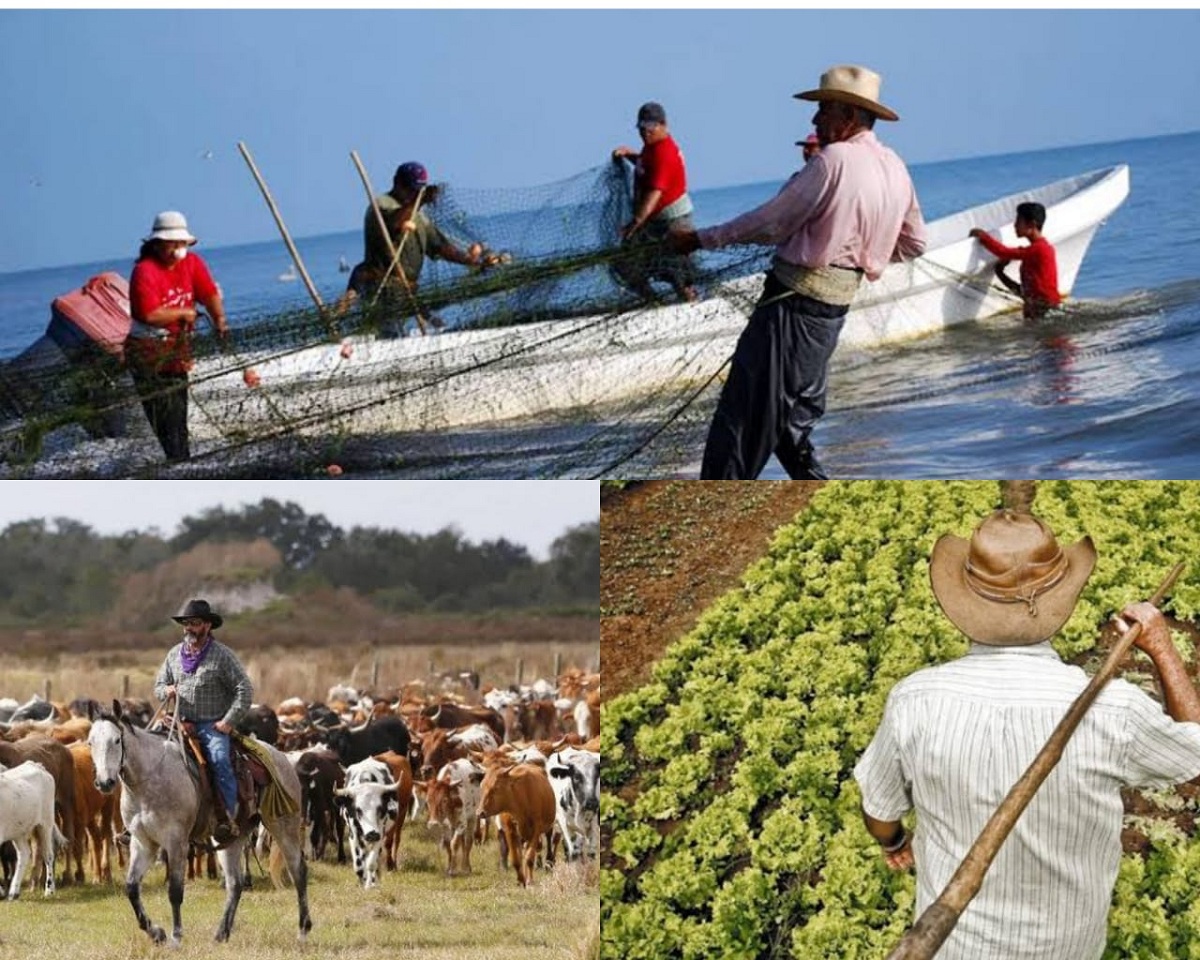
What makes the primary sector special:
- It's the starting point of all production activities
- It depends heavily on the natural environment
- Without it, other sectors couldn't function
- It's sometimes called the "extractive sector" because it extracts things from nature
Important
The primary sector is the foundation of all economic activity. Without natural resources and raw materials from this sector, the secondary and tertiary sectors would have nothing to work with.
Main activities in the primary sector:
Farming and agriculture:
- Growing crops like maize, wheat, and vegetables
- Raising livestock such as cattle, sheep, and chickens
- Commercial farming operations
Fishing activities:
- Ocean fishing for commercial purposes
- Fish farming and aquaculture
- Processing fish for food markets
Forestry and logging:
- Harvesting timber from forests
- Managing forest plantations
- Collecting wood for various industries
Mining and quarrying:
- Coal mining for energy production
- Iron ore extraction for steel making
- Diamond mining (important in South Africa)
- Oil drilling for petroleum products
The primary sector plays a vital role because it provides the basic materials that all other economic activities need to function.
Secondary sector
The secondary sector is the "maker" of the economy - it takes the raw materials from the primary sector and transforms them into useful products. This sector focuses on manufacturing, processing, and construction activities.
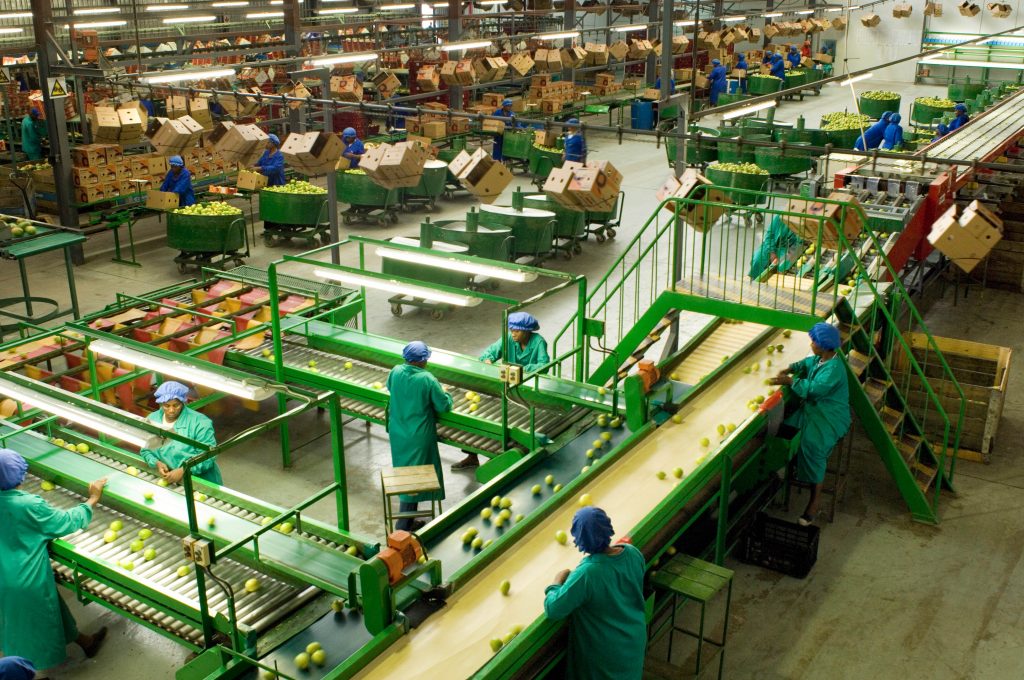
What makes the secondary sector important:
- It adds value to raw materials by changing their form
- It creates jobs in manufacturing and construction
- It produces both semi-finished and finished goods
- It's essential because raw materials in their natural state aren't always useful to consumers
Note
Value addition is a key concept in the secondary sector. Raw materials like iron ore are not useful to consumers until they are processed into products like cars or appliances.
Main activities in the secondary sector:
Manufacturing and processing:
- Automobile manufacturing (like Toyota plants in South Africa)
- Furniture making from harvested wood
- Plastic manufacturing for everyday items
- Textile production for clothing
- Food processing (breweries, bottling companies)
- Metal working and smelting operations
Construction and building:
- Property development for housing
- Infrastructure development (roads, bridges)
- Shipbuilding for maritime transport
The secondary sector is crucial because it transforms basic materials into products that people can actually use in their daily lives.
Tertiary sector
The tertiary sector is the "server" of the economy - it focuses on providing services and getting finished products to consumers. This sector is all about distribution, sales, and various services that make modern life possible.

What makes the tertiary sector unique:
- It provides services rather than physical products
- It connects producers with consumers
- It includes a wide variety of commercial services
- Other sectors depend on it to reach their customers effectively
Note
Services are intangible - you can't touch or store them like physical products. They are actions or performances that provide value to customers.
Main activities in the tertiary sector:
Retail and wholesale:
- Shops and supermarkets that sell products
- Wholesale distributors that supply retailers
Financial services:
- Banks that provide loans and savings accounts
- Insurance companies that offer protection
- Investment services for businesses and individuals
Transport and logistics:
- Trucking companies that move goods
- Airlines and shipping services
- Warehousing and storage facilities
Professional services:
- Legal services from lawyers and attorneys
- Advertising agencies that promote products
- Maintenance and repair services
Personal services:
- Entertainment services (cinemas, sports venues)
- Hospitality services (hotels, restaurants)
- Education services (schools, training centres)
The tertiary sector is essential because it makes sure that all the products created by the other sectors actually reach the people who need them.
How the sectors work together
The three business sectors form what we call a "chain of production" - they're interdependent, meaning they rely on each other to be successful.
Important
Understanding Interdependence
The sectors don't work in isolation. Each sector depends on the others for its success. This interdependence means that economic problems in one sector can have ripple effects throughout the entire economy.
The production chain works like this:
- Primary sector extracts natural resources (like iron ore from a mine)
- Secondary sector processes these into useful products (like turning iron ore into steel for cars)
- Tertiary sector distributes and sells the final products to consumers (like car dealerships selling vehicles to families)
Example
Worked Example: The Bread Production Chain
Let's trace how bread gets from nature to your table:
Step 1 - Primary Sector:
- Farmers plant and harvest wheat crops
- Natural resources: soil, water, sunlight
- Output: Raw wheat grain
Step 2 - Secondary Sector:
- Mills process wheat into flour
- Bakeries transform flour into bread
- Output: Finished bread products
Step 3 - Tertiary Sector:
- Wholesale distributors transport bread to stores
- Supermarkets and shops sell bread to consumers
- Output: Product reaches the end consumer
This shows how all three sectors must work together to create something as simple as a loaf of bread!
This interconnection means that problems in one sector can affect the others. For example, if there's a drought affecting farms (primary sector), it could impact food processing companies (secondary sector) and ultimately affect grocery stores (tertiary sector).
Summary
Key Points to Remember:
- Business sectors are three main categories: Primary (extraction), Secondary (manufacturing), and Tertiary (services)
- Each sector has a specific role: Primary gets resources from nature, Secondary transforms them into products, and Tertiary delivers them to consumers
- The sectors are interdependent: They rely on each other to function effectively, forming a complete chain of production
- All sectors are essential: Without any one of them, the modern economy couldn't operate properly
- South African examples: Mining (primary), automotive manufacturing (secondary), and retail banking (tertiary) are all important in our economy