Key Terminology (Grade 12 NSC Matric Life Sciences): Revision Notes
📚Revision Notes
Key Terminology
Introduction to reproductive strategies
Vertebrates have evolved different ways to ensure their species continues to survive. These approaches, called reproductive strategies, involve various structural, functional, and behavioural changes that help improve the chances of successful breeding and offspring survival.
Note
Reproductive strategies represent millions of years of evolutionary adaptation, with each species developing unique combinations of features that work best in their specific environment and ecological niche.
Animals differ in their reproductive approaches based on several factors, including where fertilisation occurs, how many eggs are produced, where embryos develop, and what type of care parents provide to their young.
Understanding key reproductive terminology
Basic reproductive concepts
Reproductive strategy refers to all the special adaptations that animals have developed to improve their chances of successful fertilisation and to help their offspring survive. These can include physical features, biological processes, and specific behaviours.
Types of fertilisation
Animals use two main approaches for fertilisation:
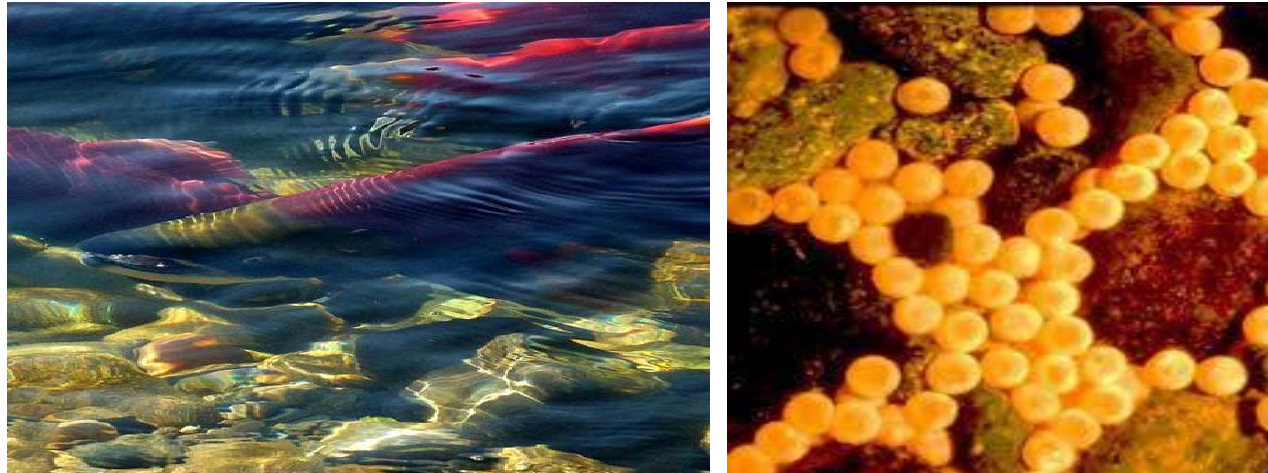
External fertilisation happens when sperm and egg cells meet outside the female's body. This process typically requires water as a medium, which is why we commonly see this strategy in aquatic animals like fish and amphibians.
Internal fertilisation occurs when the male deposits sperm inside the female's body, where it meets the egg cell. This method provides better protection for the developing embryo and is common in terrestrial animals.
Note
The evolution from external to internal fertilisation was a crucial step that allowed vertebrates to colonise terrestrial environments, as it eliminated the need for water as a fertilisation medium.
Embryonic development strategies
Vertebrates use three main approaches for developing their young:
Ovipary describes animals that lay eggs, with the embryo developing completely outside the mother's body. Examples include most birds, reptiles, and some fish.
Ovovivipary is when eggs are fertilised internally but remain inside the mother's body until they hatch. The developing young get nutrients from the yolk rather than directly from the mother. Some sharks and reptiles use this strategy.
Vivipary involves embryos developing inside the mother's uterus after internal fertilisation. The young receive nourishment through a placenta connection with the mother. This is the strategy used by most mammals.
Important
These three strategies represent an evolutionary progression from external development (ovipary) to internal development with maternal nourishment (vivipary), with ovovivipary as an intermediate step.
The amniotic egg and its protective structures
An amniotic egg is a specialised structure with a hard protective shell that contains several important membranes around the developing embryo. These eggs represent a major evolutionary advancement that allowed vertebrates to reproduce successfully on land.
Extra-embryonic membranes are specialised tissues that surround the growing embryo, whether inside an amniotic egg or within the mother's uterus. These membranes serve crucial functions for embryonic survival:
The amnion creates a fluid-filled sac around the embryo. This amniotic fluid acts like a cushion, protecting the developing animal from physical damage, temperature fluctuations, and dehydration.
The allantois serves as both a waste collection system and a gas exchange organ. It collects harmful nitrogenous waste products from the embryo and helps facilitate the exchange of oxygen and carbon dioxide.
The chorion functions as the main gas exchange surface in amniotic eggs, allowing oxygen in and carbon dioxide out. In mammals, this membrane develops into part of the placenta, which connects the developing baby to the mother.
The yolk sac contains stored food reserves that nourish the developing embryo throughout its growth period.
Important
The development of the amniotic egg was one of the most significant evolutionary innovations, as it freed vertebrates from dependence on aquatic environments for reproduction and enabled the colonisation of dry land.
Developmental patterns in young animals
Animals show two main patterns of development at hatching or birth:
Precocial development produces well-developed young that can move around, feed themselves, and have their eyes open immediately after hatching or birth. These animals require relatively little parental care because they are quite independent from the start.
Altricial development results in underdeveloped young that cannot move effectively, feed themselves, or even open their eyes initially. These animals need extensive parental care and protection to survive their early life stages.
Example
Examples of Developmental Patterns:
Precocial animals: Ducks, geese, and deer produce young that can walk, swim, and find food within hours of birth.
Altricial animals: Songbirds, mammals like cats and dogs, and humans produce helpless young that require weeks or months of intensive parental care.
The importance of parental care
Parental care encompasses all the behaviours that parents use to help their offspring survive. This can include building protective nests, defending young from predators, teaching important survival skills, and providing food. The amount and type of parental care directly affects how many offspring survive to reproduce themselves.
Note
The level of parental care often correlates with the developmental pattern - altricial young typically receive more intensive care than precocial young. This relationship helps balance the energy investment between producing many independent offspring versus fewer offspring that require extensive care.
Remember!
Summary
Key Points to Remember:
-
Reproductive strategies are adaptations that improve fertilisation success and offspring survival
-
External fertilisation needs water and occurs outside the body, while internal fertilisation happens inside the female's body
-
The three development types are ovipary (egg-laying), ovovivipary (eggs develop inside mother), and vivipary (embryos develop in uterus with placental nourishment)
-
Amniotic eggs contain four protective membranes: amnion (cushioning), allantois (waste/gas exchange), chorion (gas exchange/placenta formation), and yolk sac (food storage)
-
Precocial young are well-developed and independent, while altricial young need extensive parental care to survive