Causes and Effects of Disease in Agriculture (HSC SSCE Biology): Revision Notes
📚Revision Notes
Causes and Effects of Disease in Agriculture
Introduction to agriculture in Australia
Agriculture represents a vital primary industry sector in Australia, encompassing the cultivation of crops, pastures, and livestock production. This industry provides essential products such as meat, dairy, wool, and other materials that support both domestic consumption and international trade.
Australia occupies a unique position globally due to its geographic isolation from other continents. This isolation has created a significant advantage for Australian agriculture, as many infectious diseases affecting crops and livestock in other regions have not established themselves here. Consequently, Australian agricultural products are highly valued in international markets, commanding premium prices due to their disease-free status.
Note
To maintain this competitive advantage, Australia has implemented stringent biosecurity measures designed to prevent the introduction and spread of plant and animal pathogens. These protective measures are critical, as the introduction of new diseases could potentially devastate multiple agricultural sectors, including horticulture, forestry, and livestock production.
Economic importance of Australian agriculture
Australia's agricultural sector makes substantial contributions to the national economy through exports. The industry once earned the nation its reputation for "riding on the sheep's back," reflecting the historical dominance of wool production. Today, agricultural exports remain economically significant, with the following products representing Australia's top agricultural exports:
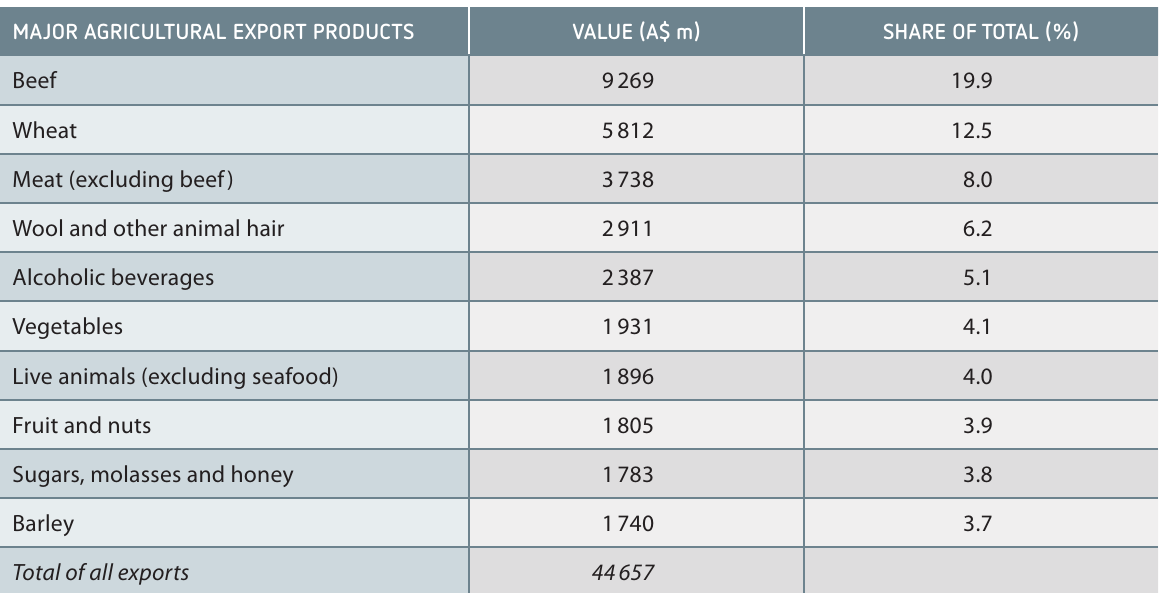
The total value of agricultural exports demonstrates the sector's importance to Australia's economy, with beef, wheat, and other meat products leading export categories. This economic significance underscores why protecting Australian agriculture from infectious disease is a national priority.
Understanding infectious diseases in Australian agriculture
Types of diseases affecting agriculture
Agricultural diseases in Australia fall into two main categories, each presenting different challenges for disease management:
Note
Endemic diseases are those consistently present within Australia's borders. These diseases have established themselves in local animal or plant populations and require ongoing management. Examples affecting livestock include:
- Bovine Johne's disease in cattle, sheep, and goats
- Anthrax in sheep and cattle
- Footrot in sheep
Farmers must develop long-term strategies to control these diseases within their operations.
Exotic diseases are foreign pathogens not currently established in Australia but pose potential threats if introduced. These diseases present particular concern because Australian agriculture lacks natural immunity or established control methods. Critical exotic threats include:
- Foot and mouth disease
- Highly pathogenic avian influenza (H5N1)
- Bovine tuberculosis
- Equine influenza
- Newcastle disease in poultry
The introduction of any exotic disease could have catastrophic consequences for affected industries.
The three-factor model of infectious disease
Disease outbreaks in agricultural settings result from complex interactions among three essential factors. Understanding this relationship helps farmers and agricultural managers implement effective prevention and control strategies.
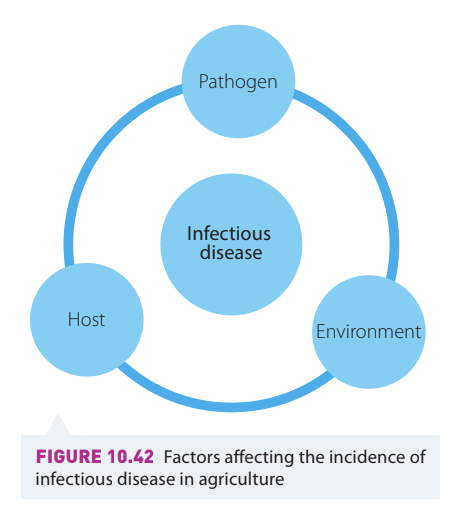
Important
For infectious disease to occur, all three factors must align favourably. Agricultural management strategies often focus on manipulating one or more factors to prevent disease outbreaks.
Host factors determine an organism's susceptibility to disease. These include:
- The host's exposure to pathogens
- The strength of immune defences
- Presence of concurrent diseases
- Nutritional status
- Environmental stressors such as drought or heat waves
Well-nourished animals with robust immune systems typically resist infection more effectively than those experiencing nutritional deficiencies or environmental stress.
Pathogen factors relate to characteristics of the disease-causing organism itself. Key considerations include:
- The pathogen's availability in the environment
- Its ability to transfer between hosts
- Virulence factors that enable the pathogen to attach to host tissues, invade cells, and establish successful infections
Highly virulent pathogens possessing multiple transmission routes pose greater threats to agricultural production.
Environmental factors encompass conditions that either promote or inhibit disease development. Overcrowding increases disease transmission rates by bringing susceptible hosts into close contact with infected individuals. Poor hygiene practices allow waste accumulation, creating reservoirs where pathogens can multiply. Additionally, environmental conditions within the host must support pathogen establishment and reproduction for disease to develop.
Case study: Footrot in sheep
Example
Worked Example: The Three-Factor Model in Practice
Footrot demonstrates how the three-factor model operates in practice. This infectious disease affects the hooves of sheep, goats, and cattle, causing significant welfare and economic problems in affected flocks.
The pathogen Dichelobacter nodosus, a bacterium, causes footrot by infecting the tissue between the toes. Infected animals develop painful abscesses, leading to lameness that restricts grazing behaviour. Reduced feed intake results in weight loss, directly impacting farm profitability.
Footrot outbreaks require specific conditions:
The pathogen Dichelobacter nodosus must be present in the flock. While this bacterium can survive in soil outside host animals, it persists for only four days maximum, limiting environmental spread. However, some individual animals may harbour bacterial reservoirs in their hooves for years, serving as ongoing infection sources within flocks.
Environmental conditions strongly influence disease development. Long, dense, wet pastures promote bacterial survival and transmission between animals. Temperature plays a critical role, with warm weather providing optimal conditions for bacterial growth. Conversely, dry conditions limit disease spread.
Host factors determine individual susceptibility. Sheep with dry, intact hoof tissues resist infection effectively. However, pre-existing dermatitis (inflammation) between the toes creates entry points for bacterial invasion. Overgrown hooves provide protected environments where bacteria can establish infections more easily. Farm management practices affecting hoof condition therefore directly influence footrot incidence.
Disease prevention requires addressing multiple factors simultaneously. Effective footrot control programs might include:
- Regular hoof trimming (host factor)
- Maintaining drier pasture conditions (environmental factor)
- Culling persistently infected animals (pathogen factor)
Factors contributing to increased risk of infectious disease
Multiple interconnected factors have intensified infectious disease risks in modern Australian agriculture. Understanding these risk factors enables development of targeted prevention strategies.
Increased mobility of human populations
Global travel and trade patterns have accelerated disease transmission between countries. International travellers, imported livestock, and plant materials can carry pathogens across borders, introducing diseases to previously unaffected regions. Both cellular and non-cellular pathogens can establish reservoirs in various materials including food products, soil, seeds adhering to footwear, and infected animals or animal products. Human movement of these materials between regions facilitates pathogen spread, potentially introducing exotic diseases to Australian agriculture.
Rise of intensive and industrial-type agriculture
Population growth has driven transformation of agricultural systems from extensive pastoral operations to intensive production facilities. Modern feedlot systems concentrate large numbers of animals in confined spaces, significantly increasing disease outbreak risks.
Note
Higher stocking densities create ideal conditions for pathogen transmission. When animals or plants are housed or grown closely together, infectious agents spread rapidly from individual to individual. This close proximity accelerates disease progression through populations, potentially overwhelming control measures before farmers can respond effectively. The shift toward intensive production systems thus requires enhanced disease surveillance and prevention strategies.
Changing patterns of land use
Agricultural expansion and modification of natural landscapes have altered disease dynamics in several ways. Deforestation and new irrigation practices can change insect vector distributions, potentially introducing disease-carrying insects to previously unaffected areas.
Habitat loss forces wildlife into closer proximity with domestic animals and human populations. This increased contact creates opportunities for disease transmission between species. The emergence of Hendra and Nipah viruses in horses and humans respectively illustrates how habitat destruction bringing bats closer to livestock can facilitate disease spillover events.
Climate change
Changing climate patterns affect infectious disease risks through multiple pathways. Rising temperatures and altered rainfall patterns influence the distribution and abundance of insect vectors, potentially expanding the geographic range of vector-borne diseases.
Modified rainfall patterns may create new reservoirs for pathogen survival in soil, plants, and insect populations. Additionally, ecosystem changes can alter nutrient availability for crops and livestock, potentially weakening plant and animal immune responses to pathogens. Climate-stressed organisms often demonstrate increased susceptibility to infectious diseases.
Antimicrobial resistance
Important
Widespread antimicrobial use in livestock production has accelerated development of resistant bacterial strains. Farmers use antibiotics therapeutically to treat infections such as mastitis in dairy cattle (udder infection with environmental and faecal bacteria). However, off-label use (using medications in ways not officially approved) and overuse hasten antimicrobial resistance development through rapid natural selection of resistant bacterial populations.
Agricultural antibiotic use extends beyond treating sick animals. Orchards employ antibiotic sprays to control plant bacterial infections. Antimicrobial agents such as avoparcin and virginiamycin are used in pigs, chickens, and feedlot cattle to promote growth and prevent disease in high-density housing situations.
Antibiotic-resistant bacteria developed in agricultural settings pose serious public health risks. These resistant organisms may transfer to humans through direct animal contact, consumption of meat products, or horizontal gene transfer between animal bacteria and human pathogens. If common bacterial infections become untreatable with existing antibiotics, both veterinary and human medicine face serious challenges.
Pesticide resistance
Chemical pest management relies on insecticides, acaricides, herbicides, and anthelmintics to control macroparasites and weeds. However, excessive use of these chemicals has driven emergence of resistant parasite and weed populations. As resistance develops, managing infectious diseases and crop pests becomes increasingly difficult, requiring higher chemical doses or alternative control methods that may prove less effective or more expensive.
Loss of genetic diversity
Genetic variation provides populations with evolutionary flexibility to respond to new disease threats. However, modern agricultural practices often reduce genetic diversity through selective breeding programs. Inbreeding in animal populations and monoculture practices in crop production create genetically uniform populations lacking resilience to novel pathogens.
Note
When a new disease emerges, genetically diverse populations typically contain some individuals with natural resistance, allowing population recovery. Genetically uniform populations lack this safety mechanism, making entire crops or herds vulnerable to devastating disease outbreaks.
Increase in 'hobby farmers'
Australia's expanding urban populations have driven a "tree change" phenomenon, with city residents seeking alternative rural lifestyles. However, many hobby farmers lack comprehensive knowledge of proper animal husbandry and biosecurity practices. This knowledge gap can lead to management practices that unintentionally increase disease risks, both on their properties and in surrounding agricultural areas.
Increase in aquaculture use
As wild fish stocks decline due to overfishing, habitat loss, and marine pollution, aquaculture has expanded to meet growing protein demands from increasing global populations. Australian aquaculture produces various species including salmon, tuna, barramundi, oysters, abalone, crabs, prawns, and lobsters.
Aquaculture operations house organisms at high densities, creating elevated disease transmission risks similar to terrestrial feedlots. Bacterial and fungal diseases spread rapidly in these conditions, with common threats including Aeromonas spp., Pseudomonas spp., and Vibrio spp.
Important
Farmers use antimicrobials therapeutically to treat outbreaks and prophylactically to prevent disease in crowded conditions. However, no antibiotics are currently registered specifically for aquaculture use in Australia, creating pressure for off-label antibiotic application. This practice raises concerns about antimicrobial resistance development in aquatic environments.
Plant diseases of agricultural significance
Types of commercially grown plants
Australian agriculture produces diverse plant crops serving multiple purposes:
Grains include cereal crop seeds such as wheat, corn, and barley grown for human food and animal feed. These crops form the foundation of both domestic food security and export markets.
Fruits and vegetables support domestic consumption and represent significant export commodities, providing fresh produce to international markets.
Fodder comprises livestock feed crops including oaten hay, alfalfa hay, and silage, which support the livestock industry during periods when pasture growth is limited.
Fibre crops such as cotton provide raw materials for textile manufacturing, representing an important industrial agricultural sector.
Horticultural plants grown for gardens and orchards serve ornamental and productive purposes, supporting both commercial and recreational gardening.
Forestry plants used in forest creation and conservation provide timber resources while delivering important environmental benefits including carbon sequestration and habitat provision.
Causes of infectious diseases in plants
Natural environments contain numerous plant pathogens that wild plants have evolved mechanisms to resist. Plants employ various defence strategies including abscission (deliberate dropping) of infected leaves or fruits to limit pathogen spread. However, when plants are cultivated for agricultural or horticultural purposes at higher densities than occur naturally, previously minor pathogens can become significant problems.
Note
Agricultural intensification creates stress conditions that reduce plants' natural pathogen resistance. Suboptimal soil pH, nutrient imbalances, and inadequate water availability weaken plant defences, making invasion by pathogens more likely. Most plant pathogens enter through natural openings such as stomata, or through wounds created by insect feeding, hail damage, wind damage, or pruning cuts.
Fungi
Fungal pathogens cause the majority of plant diseases in agriculture. Traditional disease names such as "rust," "smut," "blight," and "mildew" typically indicate fungal infections. Some fungal diseases have distinctive descriptive names including gummy stem blight and white blister.
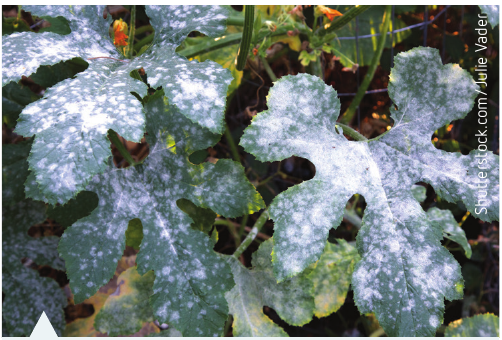
Fungal spores establish reservoirs in multiple locations including contaminated seeds, farm machinery, soil, and nearby weeds. These spores spread through:
- Wind dispersal
- Water movement
- Contact with contaminated equipment during normal farming operations
Entry into plant tissues occurs through stomata or mechanical damage sites such as pruning wounds and insect feeding punctures.
Once established inside plants, fungi cause damage through two primary mechanisms. They destroy conducting tissues that transport water and nutrients throughout the plant, disrupting normal physiological functions. Additionally, fungi absorb nutrients directly from plant tissues, depriving the plant of resources needed for growth and reproduction.
Insects and mites
These organisms cause both direct tissue damage and serve as vectors transmitting other pathogens. Common agricultural pests include aphids, fruit flies, citrus leaf miners, and mealybugs, each causing distinct damage patterns.
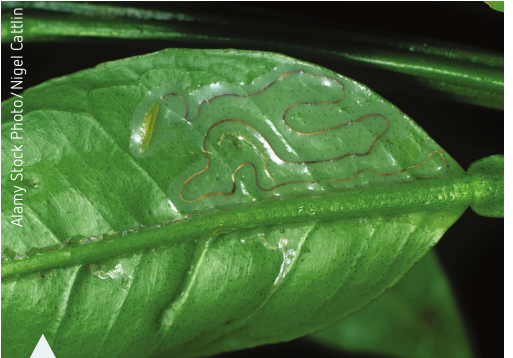
The citrus leaf miner exemplifies how insects damage plants. This moth lays eggs underneath citrus leaves, where hatching larvae burrow between leaf surfaces, creating distinctive serpentine "mines" as they feed. Affected leaves twist and curl, severely inhibiting growth of young plants that are particularly vulnerable to this pest.
Bacteria
Bacterial plant pathogens establish reservoirs in soil, weeds, seeds, and on human hands and equipment following contact with contaminated crops. However, bacterial multiplication and spread require specific environmental conditions. Humid, warm weather provides optimal conditions for bacterial growth. Overcrowded plantings, inappropriate soil conditions (including water availability, nutrient levels, pH, and salinity), and poor air circulation all promote bacterial disease development.
Common bacterial diseases include black rot of brassicas, bacterial canker of tomatoes, and bacterial blight of peas. Pseudomonas species represent particularly successful plant pathogens due to their ability to tolerate diverse environmental conditions, making them persistent agricultural threats.
Nematodes
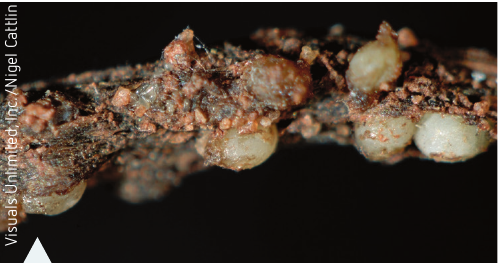
While thousands of nematode species inhabit soil, only a small proportion act as plant pathogens. Root knot nematodes represent agriculturally significant pathogens, particularly for tomato cultivation. These microscopic worms attack plant roots, inducing gall and lump formation. Infected plants subsequently wilt, develop yellow leaves, and eventually die.
Note
Root knot nematode eggs persist in soil for up to one year, reinfecting subsequent crop plantings. Effective management requires repeated soil cultivation combined with sun exposure and thorough removal of residual root material after harvest to eliminate egg reservoirs.
Viruses
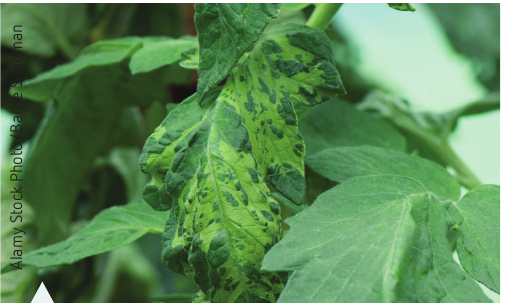
Plant viruses function as obligate intracellular parasites, requiring living host cells for replication. Scientific understanding of plant viruses lags behind knowledge of animal viruses. The first discovered plant virus, tobacco mosaic virus, infects tobacco plants creating characteristic mottling patterns on leaves. Similar viruses include tomato mosaic virus and pepper mild mottle virus.
These viruses demonstrate remarkable environmental stability, persisting in plant material remaining after harvest. They also establish reservoirs on contaminated equipment. Increased plant densities in modern agriculture and frequent human handling during cultivation appear to facilitate virus transmission between plants.
Phytoplasmas
Phytoplasmas represent unusual pathogens related to bacteria but lacking cell walls. Insect vectors transmit these organisms between plants, where they inhabit phloem tissue (the plant's nutrient transport system). Phytoplasmas have emerged as significant agricultural threats, affecting economically important crops including tomatoes, strawberries, grapes, and pumpkins.
Case study: Panama disease of bananas
Example
Case Study: Panama Disease Outbreak in North Queensland
Bananas represent Australia's largest horticultural industry and rank among the best-selling supermarket products. North Queensland produces approximately 95% of Australian bananas, with most plantations concentrated in this region. In March 2015, authorities detected Panama disease affecting Cavendish bananas (the main commercial variety) on a Tully Valley property in North Queensland.
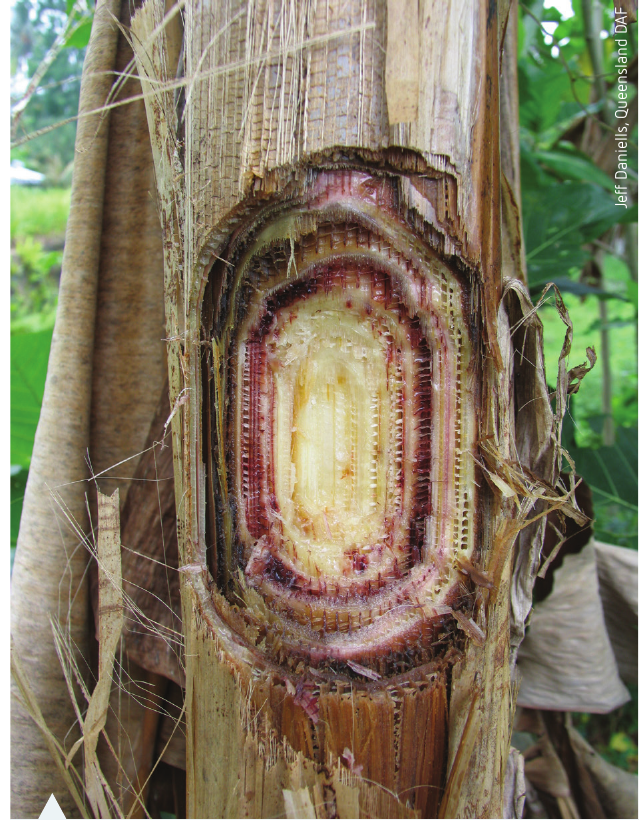
The Disease: Panama Tropical Race 4 disease results from infection by Fusarium oxysporum, a highly contagious fungus. This pathogen causes distinctive symptoms including:
- Leaf yellowing and wilting
- Stem splitting
- Damage to conducting tissues, starving plants of water and nutrients
Transmission: Disease transmission occurs through:
- Root-to-root contact between plants
- Contaminated soil carried on machinery and footwear
Response Measures: Following disease detection, farming operations ceased immediately on the affected property. The Australian Banana Growers Council purchased the property because the fungus permanently contaminates soil, creating ongoing biosecurity risks. Commercial plant cultivation on this site has become impossible, as the pathogen remains viable indefinitely in soil.
Management authorities implemented comprehensive containment measures including:
- Perimeter fence reinforcement
- Complete destruction of all banana plants
- Establishment of stabilising ground cover to prevent soil runoff that might spread contaminated material to neighbouring properties and waterways
Biosecurity Queensland enforced strict quarantine protocols that successfully contained the outbreak to the single affected farm.
Economic Impact: During the outbreak period, banana prices in Australian supermarkets increased dramatically due to supply concerns and heightened biosecurity awareness. This case demonstrates how a single disease outbreak can impact both local farming operations and national food security.
Abiotic factors causing disease
Disease development requires an imbalance between pathogen virulence and host defences, as discussed earlier. However, abiotic (non-living) factors often predispose plants to pathogen invasion by weakening natural defence mechanisms. Major abiotic stressors include:
- Temperature variation outside optimal ranges stresses plants, reducing their ability to maintain robust defences against pathogens
- Light availability affects photosynthesis rates and overall plant vigour, with light-stressed plants showing increased disease susceptibility
- Chemical agents, both naturally occurring and synthetic, can damage plant tissues or disrupt normal physiological processes, creating entry points for pathogens
- Water quantity and quality directly influence plant health, with both drought stress and waterlogging compromising disease resistance
- Nutrient availability in soils determines whether plants can maintain strong growth and effective immune responses to pathogenic threats
Note
As with animal diseases, plant infectious diseases require a complete chain of infection involving a susceptible host, viable pathogen, and favourable environmental conditions.
Effects of infectious diseases in plants
Plant disease impacts operate at three distinct levels, each presenting different challenges for agricultural management:
- Biological effects on individual plants include visible symptoms and physiological disruptions that reduce plant productivity or cause death
- Social and economic effects on individual farmers involve reduced crop yields, loss of income, and associated stress on farming families and local communities
- Social and economic effects on Australia's national economy include reduced export revenues, loss of market access, and threats to Australia's valuable disease-free status in international trade
Biological effects on individual plants
Plant pathogens disrupt normal tissue function through several mechanisms, producing characteristic symptoms that help identify disease problems:
Death of the plant occurs when diseases destroy critical physiological systems. Plants may lose their ability to balance water uptake with water loss through transpiration when conducting tissues are damaged. Alternatively, destruction of photosynthetic tissues eliminates the plant's capacity to produce food through photosynthesis, leading to starvation.
Tissue destruction (necrosis) represents cell death within plant tissues. Pathogens cause necrosis directly through attachment and invasion of cells, or indirectly through effects on photosynthetic and conducting tissues that support other plant parts.
Abnormal growth develops when disease processes interfere with normal plant hormone regulation. Plant growth relies on complex interactions between hormones (trophic factors) and cells. Diseases may disrupt hormone production, distribution, or cellular responses to hormones. Tumour-like galls represent common signs of infectious disease affecting growth regulation.
Tissue discolouration manifests in various forms. Leaves may turn yellow (chlorosis), indicating problems with chlorophyll production necessary for photosynthesis. Viral infections commonly produce mosaic patterns of discolouration across leaf surfaces.
Wilting occurs when plants lose water through transpiration faster than they can absorb it from soil. Multiple disease-related factors cause wilting, including:
- Root damage that reduces water absorption capacity
- Damage or blockage of conducting tissues that transport water from roots to leaves
Note
These symptoms frequently occur in combination, making disease diagnosis challenging but providing clues about the nature of the infection affecting plants.
Social and economic effects on farmers
Infectious disease threats place substantial burdens on primary producers who must maintain constant vigilance for early disease detection and implement appropriate management responses. Major consequences of plant disease outbreaks include:
- Reduced yields of grains, pastures, fruits, and vegetables directly decrease farm income and profitability
- Loss of trading opportunities affects both domestic and international markets when disease outbreaks trigger trade restrictions or quarantine measures
- Economic losses for farmers create financial hardship that extends beyond the farm to affect family welfare and local community economic health. The stress associated with disease outbreaks and financial uncertainty impacts farmer mental health and community resilience
Effects on Australia's national economy
The Australian economy relies heavily on agricultural exports to overseas markets. Australia's geographic isolation and consequent disease-free status for much of its produce provides unique access to premium international markets. Introduction of exotic plant diseases into Australia could have severe consequences for the national economy, potentially closing export markets and reducing agricultural sector contribution to gross domestic product.
Important
The economic importance of maintaining biosecurity justifies significant government investment in prevention, surveillance, and rapid response capabilities to protect Australia's agricultural industries from disease threats.
Animal diseases of agricultural significance
International disease management framework
The World Organisation for Animal Health (OIE, using its original French name Office International des Épizooties) coordinates animal disease management globally. An epizootic represents the animal equivalent of a human epidemic, describing disease outbreaks affecting animal populations.
Note
As a member nation, Australia must report any exotic animal disease detections to the OIE, particularly those presenting risks for transmission to humans (known as zoonoses). This reporting requirement ensures international awareness of disease threats and facilitates coordinated responses to emerging infectious diseases.
Types of animal diseases affecting Australian agriculture
Agricultural animal diseases in Australia include both endemic and exotic threats spanning multiple pathogen types:
Bacterial diseases include mastitis (udder infection in dairy cattle), footrot in sheep and cattle, Q fever (a zoonotic disease), brucellosis, leptospirosis, various clostridial diseases (black disease, blackleg, tetanus, pulpy kidney, malignant oedema), tuberculosis, and pink eye.
Viral diseases comprise three-day sickness (bovine ephemeral fever), foot and mouth disease, rabbit haemorrhagic disease virus (RHDV1/calicivirus), rinderpest, bluetongue, rabies, coronavirus, avian influenza, swine flu, and avian and porcine circoviruses.
Fungal diseases affecting livestock include lumpy jaw (actinomycosis) in cattle, aspergillosis, ringworm (dermatophytosis), cryptococcosis, and blastomycosis.
Protozoan diseases encompass coccidiosis, toxoplasmosis, cryptosporidiosis, babesiosis, trypanosomiasis, and leishmaniasis.
Prion diseases include scrapie in sheep, bovine spongiform encephalopathy (BSE or "mad cow disease"), and chronic wasting disease of cervids (deer, moose).
Macroparasites causing significant agricultural losses include liver flukes, roundworms, and agents of flystrike.
Note
This diverse range of pathogens requires comprehensive disease management strategies addressing multiple transmission routes and disease mechanisms.
Effects of infectious diseases in farm animals
Animal diseases impact primary producers through various pathways, each affecting farm profitability and sustainability:
Death of affected animals from diseases such as Black's disease or anthrax represents complete loss of investment in those animals, along with lost future productivity.
Loss of appetite and weight over short or extended periods, as seen in three-day sickness in cattle, reduces market value and delays animals reaching sale condition.
Economic losses to farmers through reduced meat, milk, and wool yields directly decrease profitability and threaten farm viability.
Loss of international trading opportunities could occur if Australia's disease-free status were compromised. For example, if foot-and-mouth disease became endemic in Australia, many export markets would close immediately, devastating the livestock export industry.
Human illness and disease from zoonoses such as Q-fever, brucellosis, and leptospirosis create both animal and human health problems, increasing societal costs and creating occupational hazards for farm workers.
Low growth rates in young animals resulting from internal parasites such as worms delay animals reaching market weight, extending the time and resources required for production.
Loss of fertility in female animals through embryonic death or stillbirths caused by diseases like leptospirosis and brucellosis reduces herd productivity and genetic improvement programs.
Loss of economic value of individual animals due to blemishes or ectoparasites (such as warts in beef cattle) may reduce sale prices even when animals are otherwise healthy.
Important
These diverse impacts demonstrate why effective animal disease management remains essential for maintaining profitable, sustainable livestock production in Australia.
Remember!
Summary
Key Points to Remember:
-
Australia's geographic isolation provides a significant advantage in agricultural production by maintaining disease-free status for many crops and livestock products, creating unique access to international markets.
-
Infectious disease outbreaks in agriculture result from the interaction of three essential factors: host susceptibility, pathogen characteristics, and environmental conditions. Managing all three factors simultaneously provides the most effective disease control.
-
Nine major factors have increased infectious disease risks in modern agriculture: increased human mobility, intensive farming practices, changing land use, climate change, antimicrobial resistance, pesticide resistance, loss of genetic diversity, increase in hobby farmers, and expansion of aquaculture.
-
Plant diseases are caused by six main pathogen types (fungi, insects and mites, bacteria, nematodes, viruses, and phytoplasmas), each with distinct transmission methods and management requirements. Fungi represent the most common cause of plant diseases.
-
Animal diseases of agricultural significance span multiple pathogen categories including bacteria, viruses, fungi, protozoa, prions, and macroparasites. Both endemic and exotic diseases threaten Australian livestock industries, with exotic diseases presenting particular risks due to lack of natural immunity and established control methods in Australian populations.