Environmental Sustainability and CSR (HSC SSCE Business Studies): Revision Notes
📚Revision Notes
Environmental Sustainability and CSR
Introduction
Environmental sustainability and corporate social responsibility (CSR) are increasingly important influences on operations management. Modern businesses face growing pressure to balance profit-making with environmental protection and social responsibility. This shift reflects changing community expectations and increased awareness of how business operations impact the environment and society.
Note
Understanding the distinction between legal compliance (meeting minimum legal requirements) and ethical responsibility (going beyond what is legally required) is central to appreciating how CSR influences operational decision-making.
Environmental sustainability
What is environmental sustainability?
Environmental sustainability (also called ecological sustainability) means structuring business operations so they use resources today without compromising the ability of future generations to access those same resources. Rather than depleting the Earth's natural capital, businesses adopting sustainable practices aim to preserve resources for the long term.
The operations function is significantly affected by climate change awareness and the need to integrate sustainable resource management into business planning. Many businesses now actively work to reduce waste, recycle materials such as water, glass, paper and metals, and minimise their environmental impact.
Three main aspects of environmental sustainability
Businesses seeking to operate sustainably focus on three key areas:
- Sustainable use of renewable resources – Using resources like timber, water and agricultural products in ways that allow natural regeneration
- Reduction in use of non-renewable assets – Minimising consumption of finite resources such as fossil fuels and minerals
- Application of the precautionary principle – Where environmental impacts are uncertain, undertaking actions most likely to cause the least environmental harm
Important
The precautionary principle is particularly important when businesses face situations where the full environmental consequences of their actions are unknown. Rather than proceeding and risking significant damage, this principle requires businesses to err on the side of caution and choose the option with minimal environmental risk.
Carbon footprint
A key measure of environmental impact is the carbon footprint, which refers to the total amount of carbon produced and released into the environment from operations processes. Reducing carbon footprints has become a priority as businesses respond to climate change concerns.
Greenhouse emissions typically result from burning fossil fuels for energy, including electricity generation and transportation. Businesses can reduce their carbon footprint by using renewable energy sources, improving energy efficiency, and minimising transport distances.
Example
Example – Cadbury Tasmania
The Cadbury factory in Tasmania demonstrates effective carbon footprint reduction. It benefits from Tasmania's predominantly hydroelectric and wind-powered electricity (90% clean energy).
The factory has introduced several sustainable strategies including:
- Steam capture for reuse (reducing coal and water consumption)
- Gas collection from wastewater treatment (reducing carbon dioxide emissions by 200 tonnes)
- Biodegradable packaging made from corn starch
- Sourcing only Fair Trade-certified cocoa beans
This demonstrates how businesses can integrate multiple sustainability strategies to achieve significant environmental impact reduction.
Corporate social responsibility (CSR)
Understanding CSR
Corporate social responsibility (CSR) involves open and accountable business actions based on respect for people, community and the broader environment. Crucially, CSR means businesses do more than simply comply with laws and regulations – they voluntarily adopt higher standards and consider wider social and environmental impacts.
CSR represents a shift in how business success is measured. Rather than focusing solely on financial profitability, CSR recognises that businesses should also consider their social and environmental impacts. This broader view of business performance is sometimes called the triple bottom line.
The triple bottom line
The triple bottom line framework measures business success across three dimensions:
- Financial profitability – Traditional economic performance and profit generation
- Social impact – Effects on people, communities and society, including employee welfare, community development and ethical sourcing
- Environmental impact – Effects on natural resources, ecosystems and climate
Note
This framework reflects a recognition that sustainable business success depends on balancing economic goals with social responsibility and environmental stewardship. Many public companies now include substantial CSR or sustainability reporting in their annual reports, demonstrating commitment to all three bottom lines.
Example
Example – Bulla Dairy Foods

Bulla was named best food producer by the Royal Agricultural Society in 2014, partly due to its strong triple bottom line performance:
Environmental: The company reduced waste, landfill and greenhouse emissions through a cogeneration project.
Social: It introduced a staff wellbeing programme offering fitness support and nutrition boosts.
Financial: Meanwhile, it maintained high-quality product standards and commercial success.
This demonstrates how businesses can achieve success across all three dimensions simultaneously.
Why CSR is a key concern in operations management
CSR is particularly important for operations management because operations involve transformation processes that draw on various inputs to create final products. Several factors make CSR central to operational decision-making:
Supply chain responsibility: Operations managers must understand where and how inputs are sourced. CSR principles require businesses to ensure suppliers adhere to appropriate ethical, labour and environmental standards. This means operations cannot simply focus on cost – they must also consider supplier practices.
Process design: Operations processes must be shaped to minimise environmental damage and waste. This influences decisions about production methods, energy use, waste management and resource efficiency. Sustainable process design may require higher upfront investment but often delivers long-term cost savings and reputation benefits.
Workforce management: CSR extends to recruitment and employment practices. Operations managers should ensure hiring draws from diverse backgrounds and is inclusive of people from all groups. Workplace conditions, health and safety, and employee development are all CSR considerations in operations.
Note
Stakeholder expectations: Customers increasingly expect businesses to demonstrate ethical behaviour and environmental responsibility. Operations that ignore CSR risk damaging brand reputation and losing customer support.
Legal compliance versus ethical responsibility
Understanding the distinction
Important
An important concept in CSR is understanding the difference between legal compliance and ethical responsibility:
Legal compliance means meeting the minimum standards prescribed by law – following the "letter of the law". Businesses complying legally meet their obligations as set out in legislation and regulation, but do no more than required.
Ethical responsibility means going beyond minimum legal requirements to follow the "intention and spirit" of the law. Ethically responsible businesses meet all legal obligations but voluntarily adopt higher standards for the benefit of society and future generations.
By demonstrating ethical responsibility, businesses signal they value more than just maximum profits. They show commitment to act beyond expectations and contribute positively to society.
Areas of legal compliance
Businesses face compliance requirements in numerous areas. Understanding these helps appreciate where ethical responsibility goes further:
- Labour law – Minimum wages, award wages, working hours, breaks, leave entitlements, workers compensation and workplace health and safety (WHS) requirements
- Environmental and public health – Regulations preventing dumping and pollution of air, land and water; standards for operations and waste disposal
- Business licensing – Requirements for training, certification and operational conditions (working hours, zoning, content restrictions)
- Taxation – Levies, duties and taxes on profits; superannuation requirements
- Trade practices and fair dealings – Rules addressing market power, misleading conduct, price collusion, monopolies and product safety
- Migration – Rules governing use of offshore skilled labour and minimum standards for overseas workers
- Intellectual property – Protection of copyright, patents, trademarks, designs and original works
- Financial and accounting regulations – Standardised methods for financial records and reports; rules for company directors acting as fiduciaries (persons in positions of financial trust)
- Corporate governance – Rules, policies and decisions directing operations and ensuring corporate integrity in stakeholder decisions
- Human rights – Anti-discrimination laws protecting against unfair treatment based on disability, culture, sexual preference, gender, age or other characteristics
Outsourcing, compliance and business behaviour
Outsourcing (or contracting out) involves using third-party specialist businesses to undertake key business functions. This can be done onshore (using domestic providers) or offshore (using providers in other countries).
Businesses often use outsourcing to reduce costs, but this raises important CSR considerations:
Regulatory arbitrage: Offshore outsourcing can exploit regulatory differences between countries. Lower taxation, weaker labour standards, and less stringent environmental and intellectual property regulations allow businesses to reduce compliance costs. However, this raises ethical questions about worker welfare and environmental protection.
Responsibility shifting: Using third-party contractors can create a "screen" behind which businesses hide. If contractors breach local laws or ethical standards, businesses may claim they bear no responsibility. However, this approach is increasingly challenged, and businesses are expected to ensure their contractors meet acceptable standards.
Important
Ethical dilemmas: Should businesses operate in countries with loose WHS laws when cost savings may compromise employee safety? Should businesses ignore poor labour practices by overseas contractors?
Increasingly, Australian businesses are expected to take responsibility for ensuring ethical practices throughout their supply chains.
Ethical responsibility in practice
International Labour Organization (ILO)
When laws differ between countries, businesses can struggle to know what constitutes ethical behaviour. The International Labour Organization (ILO) provides guidance by setting international labour standards.
The ILO is a United Nations agency that brings together governments, employers and workers from 187 member states. It holds annual conferences (International Labour Conferences) addressing workplace issues and employee rights, including:
- Working women and maternity protection
- Safe working conditions
- Fair wages
- Appropriate working hours
Note
When two-thirds of ILO member nations agree to recommendations, they become International Labour Standards. Nations are then expected to pass laws consistent with these standards.
Businesses demonstrating ethical responsibility often align their practices with ILO standards, even when local laws are less stringent.
The ILO's mission centres on promoting social justice and internationally recognised human and labour rights. It pursues "decent work" for all through setting labour standards, developing policies and promoting economic and working conditions that benefit workers, employers and governments.
Examples of ethical responsibility
Example
Example – CommInsure criticism
The Commonwealth Bank faced criticism over its insurance division's treatment of customers. Reports alleged that claims assessors rejected payouts to terminally ill clients, removed medical files and pressured doctors to change diagnoses to refuse claims.
The Chief Executive was forced to apologise, highlighting how ethical failures can damage reputation even when actions may be technically legal.
Example
Example – Sweatshop conditions
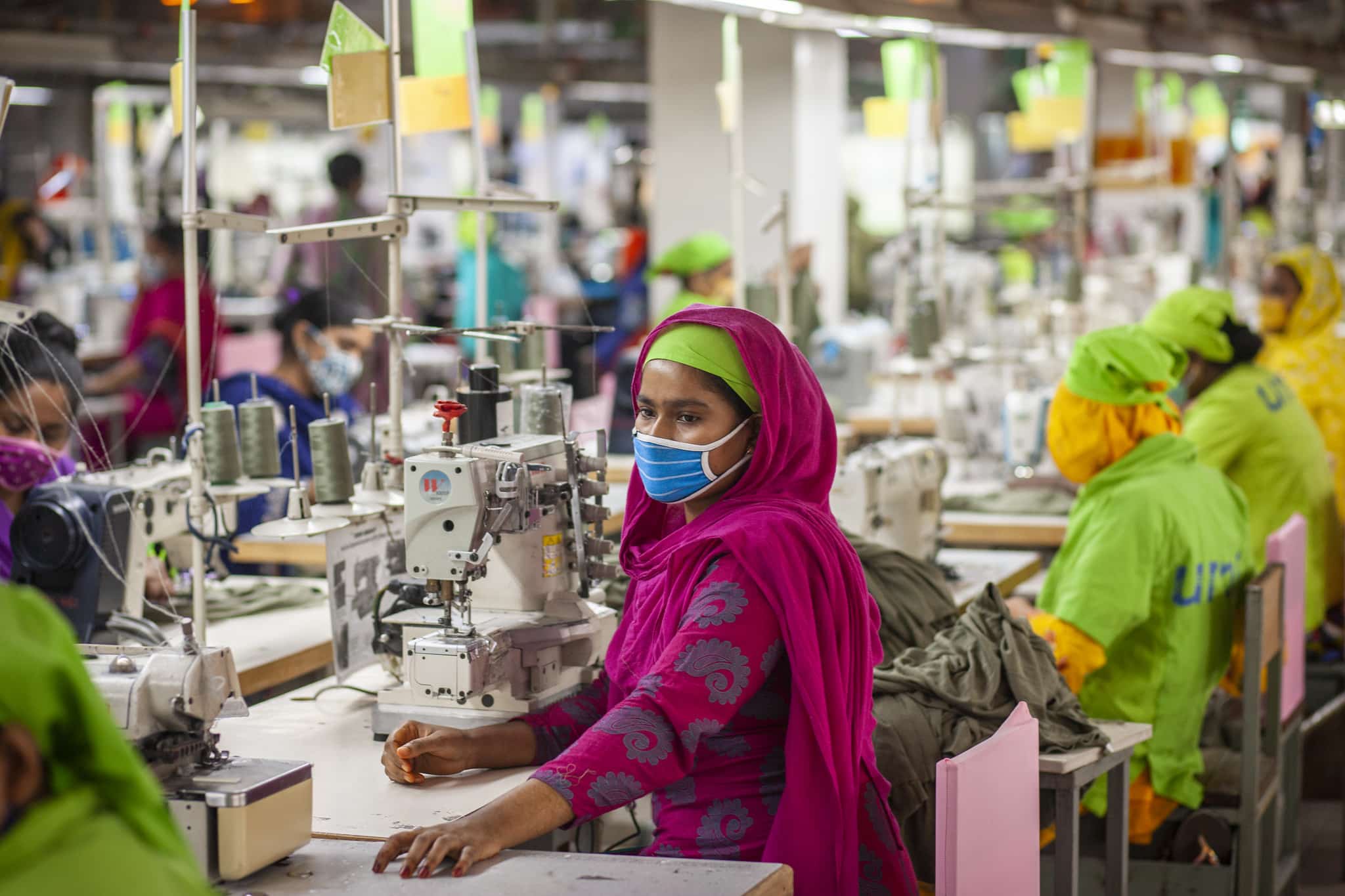
In some developing countries, women and children work long hours in extreme heat for very low wages with virtually no safety precautions.
Businesses face increasing pressure to ensure their contractors do not exploit workers and instead abide by higher minimum standards.
Environmental sustainability and social responsibility in balance
Achieving sustainable economic development
Economic development must be accomplished sustainably – using production methods that conserve Earth's resources for future generations. Economic growth should not occur at the expense of polluting and degrading air, water and forests essential to supporting life. Businesses must balance economic concerns with environmental concerns to achieve genuine environmental sustainability.
Businesses are increasingly expected to take responsibility for environmental protection. The Earth's fragile systems need informed intervention to sustain themselves. Social conscience and government legislation have led responsible businesses to adopt policies of conservation, recycling and restoration. The principle of ecological sustainability requires managers to evaluate the full environmental effects of their operations.
Consumer expectations driving change
Growing consumer expectations that products should be "clean, green and safe" are changing management practices across Australian businesses. By producing better products in ecologically sustainable ways, businesses can align their focus with stakeholder expectations.
Important
In response to climate change concerns, communities increasingly expect businesses to:
- Adopt greenhouse gas reduction measures
- Develop long-term sustainable strategies
- Minimise waste and maximise recycling
- Use renewable energy sources
- Reduce carbon emissions from transport and production
Social responsibility as good business
Social responsibility is good business. While CSR costs money in the short term, it often proves beneficial long-term:
Customer reactions: Customers eventually identify which businesses act responsibly and which do not. They may boycott businesses exploiting employees, accepting bribes or polluting the environment (directly or through contractors). Conversely, customers reward socially responsible businesses by purchasing more products.
Competitive advantage: Socially responsible businesses can convert potential weaknesses into strengths. CSR creates marketing opportunities to communicate business virtues as driven by social and environmental goals rather than pure profit-seeking.
Stakeholder confidence: Tools like environmental management systems (EMS) and international standards (such as ISO 14001) allow businesses to systematically manage environmental impacts. Accreditation to recognised standards gives stakeholders confidence that businesses are measuring and improving performance.
Example
Example – Mars Incorporated

Mars demonstrates how CSR integrates with operations management. The company has developed five guiding principles (Quality, Responsibility, Mutuality, Efficiency and Freedom) that shape all operations.
Environmental targets:
- Sourcing 100% certified cocoa by 2020
- Reducing total environmental impact in line with scientific recommendations
Social targets:
- Improving lives of 1 million people in its value chain
- Maintaining high product standards
Results: Mars has been recognised as one of the world's best workplaces eight consecutive years, demonstrating that social responsibility supports both employee satisfaction and business success.
Remember!
Summary
Key Points to Remember:
- Environmental sustainability means using resources today without compromising future generations' access to those resources
- The precautionary principle requires businesses to choose actions with least environmental impact when consequences are uncertain
- Corporate social responsibility (CSR) involves businesses going beyond legal compliance to consider broader social and environmental impacts
- The triple bottom line measures success across financial profitability, social impact and environmental impact
- Legal compliance means meeting minimum legal standards; ethical responsibility means voluntarily exceeding those standards
- Outsourcing (especially offshore) can reduce compliance costs but raises ethical questions about worker welfare and environmental protection
- The International Labour Organization (ILO) sets international standards that help businesses act ethically across different countries
- CSR is particularly important in operations management because operations involve supply chains, resource use, waste generation and workforce practices
- Social responsibility benefits businesses long-term through customer loyalty, competitive advantage and stakeholder confidence
Key Terms to Remember:
- Environmental sustainability – Shaping operations to preserve resources for future generations
- Carbon footprint – Amount of carbon released from operations processes
- CSR – Accountable business actions based on respect for people, community and environment
- Triple bottom line – Financial, social and environmental performance
- Precautionary principle – Choosing lowest-impact actions when environmental effects are uncertain
- Fiduciary – Person in position of financial trust