Volume, Variety, Variation in Demand and Visibility (HSC SSCE Business Studies): Revision Notes
📚Revision Notes
Volume, Variety, Variation in Demand and Visibility
Understanding transformation processes
Transformation is the conversion of inputs (resources) into outputs (goods and services). This is the central process that shapes all operations management decisions.
Transformation applies to both manufacturing and service businesses:
- Manufacturing businesses transform physical inputs (like metal, plastic, electronic components) into tangible products through highly automated processes using machinery, robots and computers
- Service businesses transform inputs (like time, skills, expertise) into intangible services that customers experience rather than touch, typically through more labour-intensive, customer-facing processes
Note
For example, Samsung transforms raw materials into electronic devices, while a law firm transforms legal knowledge and expertise into dispute resolution services. A school transforms students, teachers and curriculum into educated, employable graduates.
The four Vs of operations processes
Operations managers must make critical decisions about transformation by considering four key factors, known as the four Vs:
- Volume – how much to produce
- Variety – what range of products or services to offer
- Variation in demand – how quickly operations can respond to demand changes
- Visibility – how much customer contact influences production decisions
Important
These four factors are interconnected and must be managed together to achieve effective operations management. Understanding one V in isolation is insufficient for operational success.
The influence of volume
Volume refers to the quantity of products made or services delivered. Understanding and managing production volume is essential for operational efficiency.
Volume flexibility describes how quickly the transformation process can adjust to increases or decreases in demand. This responsiveness is critical for maintaining competitive advantage and customer satisfaction.
Managing lead times
Lead time is the time it takes for an order to be fulfilled from the moment it is placed. Effective volume management directly impacts lead times.
Important
Poor volume management creates significant problems:
- Overproduction leads to excess inventory, waste and increased storage costs
- Underproduction results in unfulfilled back orders and lost sales as customers switch to competitors
- Slow response times cause customer dissatisfaction and damage market share
Businesses with strong volume flexibility can rapidly scale production up or down, allowing them to respond to market changes efficiently and maintain optimal inventory levels.
Case study: Fast fashion retail (Zara, Uniqlo, H&M)
Fast fashion brands demonstrate excellent volume management through highly responsive supply chain operations. These businesses have disrupted traditional fashion retail by managing all four Vs effectively.
Example
Case Study: Fast Fashion Volume Management
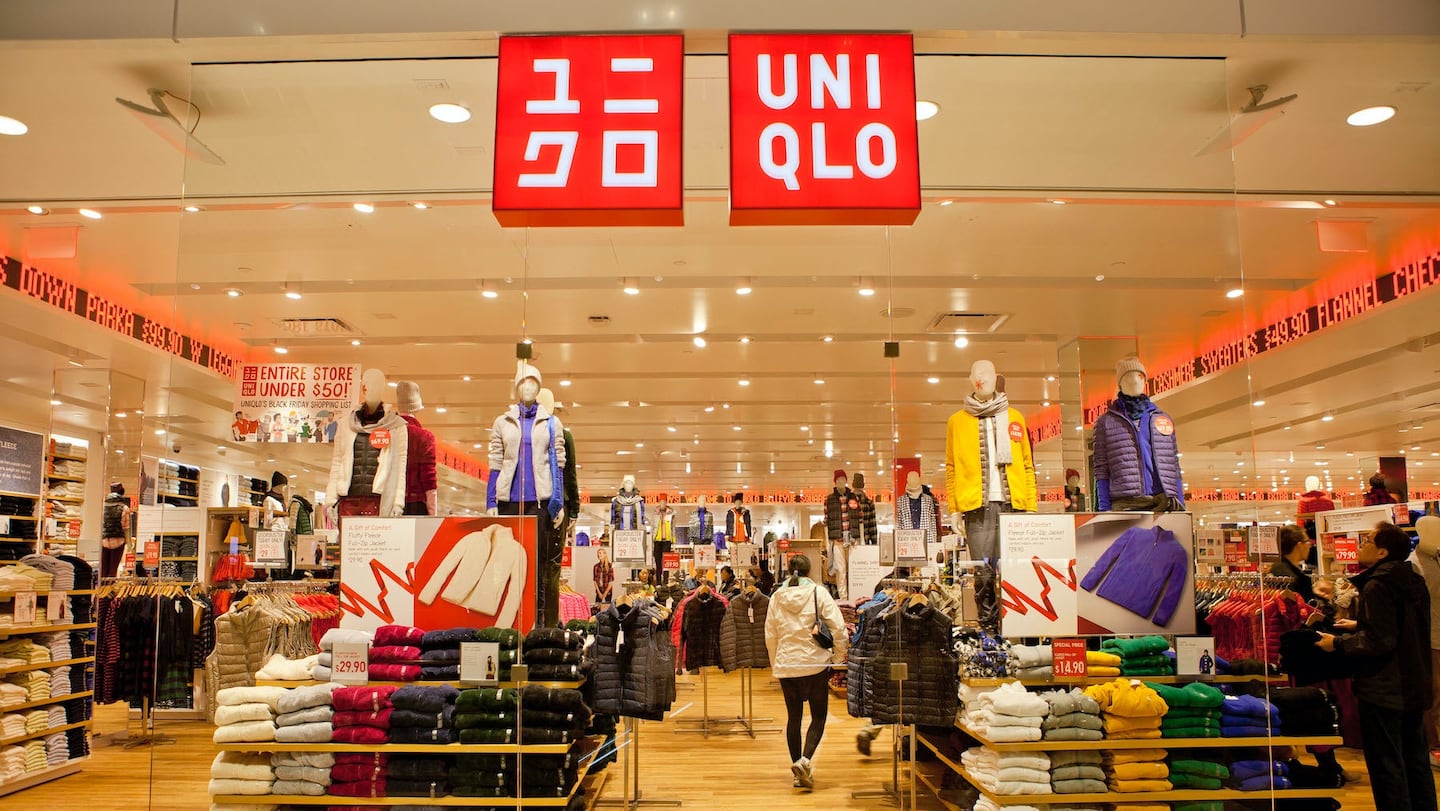
Volume management: Zara, Uniqlo and H&M can quickly increase production volumes in response to demand, indicating sophisticated, agile supply chain systems that coordinate suppliers, manufacturers and distributors efficiently.
Impact on competition: Traditional retailers like Marcs, Willow and David Lawrence have lost market share because they cannot match the volume responsiveness of fast fashion competitors. When customer demand shifts, fast fashion brands adjust production immediately, while traditional retailers struggle with slower, less flexible systems.
Business implications: Strong volume management requires investment in supply chain technology, supplier relationships and real-time demand forecasting systems. Businesses that master volume flexibility gain competitive advantage through better customer service and reduced waste.
The influence of variety
Mix flexibility (also called variety or product range) refers to the mix of products made or services delivered through transformation processes.
The variety-complexity relationship
The greater the variety offered, the more complex the operations process becomes. Operations must accommodate:
- Different production requirements for each product variant
- Multiple raw material inputs and specifications
- Varied quality control procedures
- More complex inventory management
- Diverse customer preferences and needs
However, businesses can manage variety strategically to appear diverse while maintaining production efficiency.
Case study: Whitegoods manufacturing (Electrolux)
Electrolux manufactures multiple brands including Electrolux, AEG-Electrolux, Simpson, Chef, Dishlex, Kelvinator and Westinghouse. These brands cover various whitegoods products: refrigerators, washing machines, ovens, dishwashers and dryers.
Example
Case Study: Strategic Variety Management at Electrolux
Strategic variety management: Despite appearing to offer wide variety across multiple brands and product types, many Electrolux products share common electronic components. Most appliances require similar core functions – heating, cooling, rotating parts and timers.
Operational efficiency: By designing variety around common components and processes, Electrolux achieves both:
- Customer perception of wide choice and diversity
- Production efficiency through standardized components and processes
Key outcome: This approach reduces the complexity cost of variety while maintaining market appeal. The same production processes create multiple branded products, allowing variety without proportional increases in operational complexity.
Note
Exam tip: When evaluating variety strategies, consider how businesses balance customer expectations for choice against operational efficiency. The most successful businesses create perceived variety while maintaining production standardization.
The influence of variation in demand
Variation in demand refers to fluctuations in customer orders over time. These fluctuations significantly impact transformation resources and operational planning.
Impact of demand increases
When demand increases, operations must respond by scaling up:
- Supplier inputs – raw materials must be ordered and delivered faster
- Human resources – more staff may be needed, requiring recruitment or overtime
- Energy use – increased power requirements for extended production
- Machinery and technology – equipment must handle higher workloads
Problems with increased demand
Important
Businesses may struggle to meet increased demand if:
- Suppliers cannot deliver materials quickly enough to maintain production schedules
- Labour is not agile, sufficiently skilled or available in adequate numbers
- Machinery cannot adjust to increased requirements because it lacks capacity or proves unreliable under pressure
- Increased energy and power requirements exceed available infrastructure
Problems with decreased demand
Falling demand also requires operational flexibility:
- Staff numbers may need reduction, creating redundancy costs and skills loss
- Production must slow, leading to underutilized capacity and fixed cost inefficiencies
- Contract suppliers may insist orders be fulfilled despite being unnecessary, forcing businesses to hold unwanted inventory
Anticipating demand through forecasting
Effective operations management requires demand forecasting to enable proactive adjustments.
Note
Predictable variations allow planning:
- Annual patterns: Christmas increases demand for toys, gifts and festive products
- Seasonal factors: Air conditioner sales peak in late spring before summer; heater sales peak before winter
- Calendar events: Back-to-school periods, holiday seasons, financial year-ends
Demand forecasting methods include:
- Historical sales data analysis
- Market research and consumer surveys
- Economic indicators and trends
- Seasonal adjustment calculations
Accurate forecasting enables businesses to adjust operations smoothly, avoiding the costs of sudden changes.
Note
Exam tip: When analyzing variation in demand, always consider both increases and decreases. Discuss the specific operational challenges each creates and how businesses can build flexibility into their systems.
The influence of visibility (customer contact)
Visibility (or customer contact) refers to how customer feedback and preferences influence transformation processes. Customer input shapes production decisions because businesses aim to maximize sales by meeting customer needs.
Types of customer contact
Direct customer contact includes:
- Customer feedback surveys
- Face-to-face or telephone interviews
- Warranty claims indicating product problems
- Customer letters and emails
- Social media posts and comments
- Verbal feedback in retail settings
Indirect customer contact includes:
- Sales data analysis revealing purchasing patterns
- Market share statistics showing competitive position
- Observation of customer decision-making processes
- Online consumer reviews and ratings
- Website analytics showing browsing behavior
Impact on transformation processes
Customer contact influences operations by:
- Identifying product features that customers value or dislike
- Revealing quality issues requiring production adjustments
- Highlighting emerging trends requiring new product development
- Indicating price sensitivity affecting production cost decisions
- Showing preferences for variety, requiring mix flexibility adjustments
Note
Businesses that effectively capture and respond to customer feedback gain competitive advantage through products better aligned with market needs.
Case study: Fast fashion visibility
Continuing the Zara, Uniqlo and H&M example, visibility plays a crucial role in their success.
Example
Case Study: Visibility in Fast Fashion
Physical visibility: These brands position stores in highly visible locations with ready access to passing trade in major shopping centers, maximizing customer exposure.
Digital visibility: Strong social media presence creates additional customer contact channels, allowing:
- Rapid feedback collection
- Direct customer engagement
- Trend identification
- Brand awareness building
Operational impact: Customer feedback from these visibility channels directly influences:
- Design decisions for new collections
- Production volume adjustments
- Variety offered in different markets
- Response to variation in demand
Key insight: The integration of visibility with the other three Vs demonstrates sophisticated operations management.
Note
Exam tip: When discussing visibility, distinguish between direct and indirect forms and explain how each provides different types of information. Consider both physical and digital visibility in modern business contexts.
Interconnection of the four Vs
The four Vs work together in practice. Effective operations management requires integrated decision-making:
Note
How the four Vs interconnect:
- Volume and variation in demand connect through capacity planning and forecasting
- Variety and volume balance through production scheduling and resource allocation
- Visibility and variety link through customer preferences shaping product range
- Visibility and variation in demand connect through feedback-driven forecasting
Businesses that excel at operations management, like the fast fashion retailers discussed, demonstrate strong integration across all four Vs.
Remember!
Summary
Key Concepts to Remember:
- Transformation is the conversion of inputs into outputs through operations processes, applying to both manufacturing and service businesses
- The four Vs (Volume, Variety, Variation in demand, Visibility) are critical factors shaping operations decisions and must be managed together
- Volume flexibility determines how quickly businesses can respond to demand changes, directly impacting lead times and customer satisfaction
- Mix flexibility (variety) must balance customer choice against operational complexity; successful businesses create perceived variety while maintaining production efficiency
- Variation in demand requires forecasting and operational flexibility to handle both increases and decreases without excessive costs
- Visibility through direct and indirect customer contact shapes transformation processes by aligning production with customer preferences
Key Terms: Transformation • Volume • Volume flexibility • Lead time • Mix flexibility • Variation in demand • Visibility • Customer contact • Direct feedback • Indirect feedback
Exam Guidance:
- When analyzing operations, always consider all four Vs and their interconnections
- Use business examples to demonstrate how the four Vs apply in practice
- Distinguish between manufacturing and service operations when discussing transformation
- Explain both the benefits and challenges of flexibility in each area
- Link operational decisions to business objectives like efficiency, customer satisfaction and competitive advantage