Circadian Rhythm Sleep Disorders (VCE SSCE Psychology): Revision Notes
📚Revision Notes
Circadian Rhythm Sleep Disorders
Introduction: Understanding and diagnosing sleep disorders
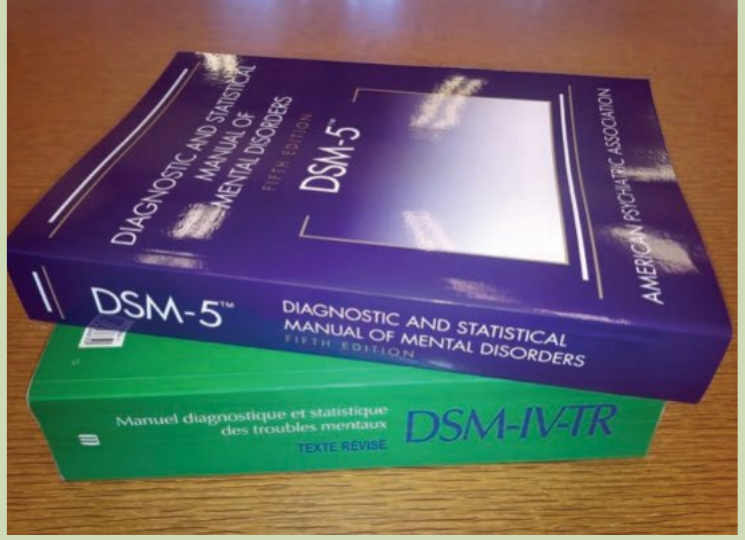
The Diagnostic and Statistical Manual of Mental Disorders (DSM) serves as the primary handbook used by healthcare professionals when diagnosing mental disorders, including sleep disorders. First published in 1952, the DSM has undergone multiple revisions to reflect advances in scientific understanding. The most recent edition, DSM-5-TR, was published in 2022.
Note
The evolution of the DSM demonstrates the progress made in understanding mental health. Early editions did not recognise sleep disorders as distinct diagnostic categories. Instead, sleep-related symptoms such as sleepwalking, insomnia (difficulty falling or staying asleep), and hyposomnia (decreased sleep duration) were listed merely as symptoms of other disorders like major depression.
Modern editions of the DSM are substantially larger and more detailed. They present systematically organised reference entries with clear diagnostic criteria based on research evidence. These criteria specify thresholds for the number, severity, and variety of symptoms required for diagnosis.
The DSM-5-TR categorises sleep-wake disorders into 10 distinct groups, including insomnia disorder, breathing-related sleep disorders, substance/medication-induced sleep disorder, and circadian rhythm sleep-wake disorders.
What are circadian rhythm sleep disorders?

Important
Circadian rhythm sleep disorders represent a category of sleep disorders that involve ongoing sleep problems caused by a mismatch between the body's internal circadian rhythm and the sleep-wake schedule required by an individual. This misalignment results in excessive sleepiness, insomnia, distress, or impairment of functioning.
These disorders can prevent people from sleeping and waking at times appropriate for school, work, or social activities.
Causes of misalignment
Sudden changes to sleep-wake schedules can cause the circadian rhythm to become out of sync with the external environment. This may occur when:
- A person works night shifts
- Daylight saving begins or ends
- There are rapid changes in time zones (jet lag)
- Social or work demands conflict with natural sleep patterns
When a substantial misalignment occurs and the body cannot readjust, causing distress or dysfunction, a circadian rhythm sleep disorder may be diagnosed.
Three main types
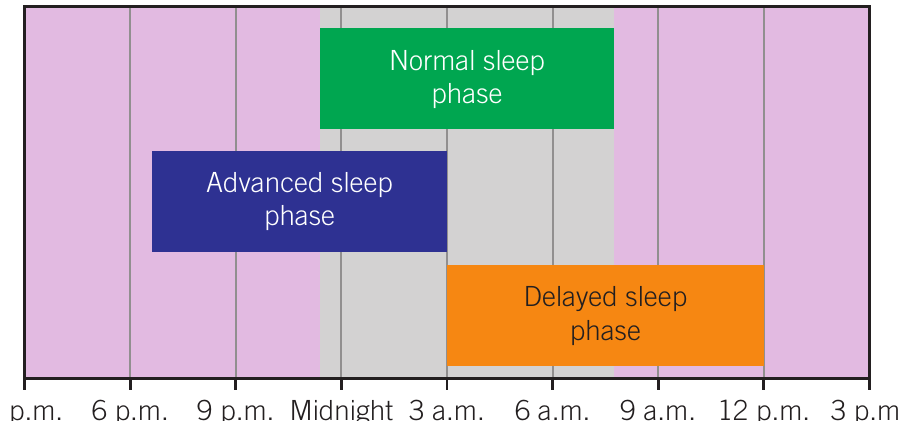
The diagram above illustrates the three primary circadian rhythm sleep disorders:
- Delayed Sleep Phase Syndrome (DSPS): Sleep onset and awakening occur later than desired
- Advanced Sleep Phase Disorder (ASPD): Sleep onset and awakening occur earlier than desired
- Shift work disorder: Sleep-wake patterns conflict with work schedules, particularly night shifts
Treatment with bright light therapy
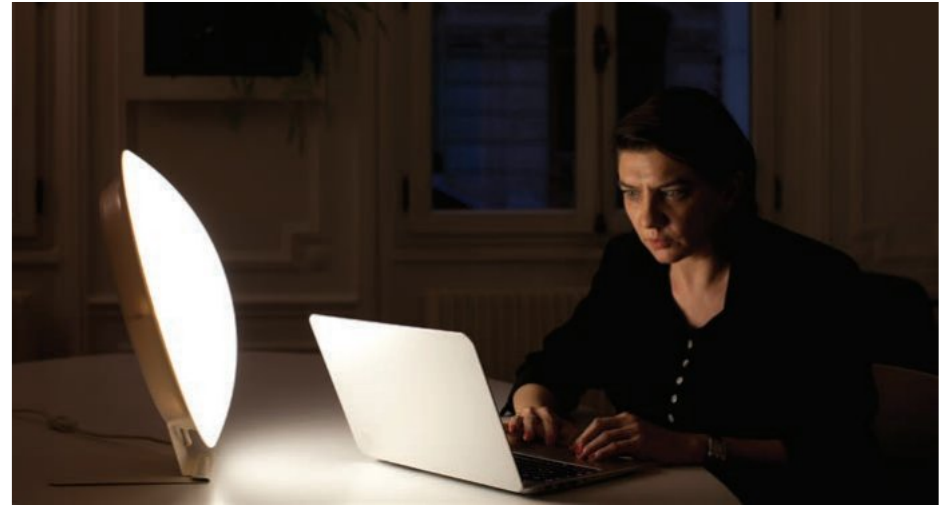
Bright light therapy is a treatment approach that involves exposing individuals to light for specific durations to reset the sleep-wake cycle. This therapy works through several mechanisms:
- Triggers wake-inducing biological processes involving the circadian rhythm and suprachiasmatic nucleus
- Delays or advances melatonin release, depending on timing
- Promotes wakefulness when appropriately timed
Note
The light source may be artificial (specially designed light box, desk lamp, floor lamp, visor hat with attached light, or dawn simulator) or natural (sunlight, when reliable and safe). The optimal length and timing of light exposure depends on the specific circadian rhythm sleep disorder being treated.
Delayed Sleep Phase Syndrome (DSPS)
Definition and characteristics
Delayed Sleep Phase Syndrome (DSPS) is a circadian rhythm sleep disorder that involves a delay in the timing of sleep onset and awakening compared with the desired timing. This delay is typically two or more hours, meaning individuals fall asleep later than required or conventionally accepted, which then necessitates waking up later to achieve adequate sleep.
Example
Typical DSPS Sleep Pattern:
- Desired schedule: 10 p.m. to 6 a.m.
- Actual schedule with DSPS: 2 a.m. to 10 a.m.
The 4-hour delay means the person cannot fall asleep at the desired time, shifting their entire sleep-wake cycle later.
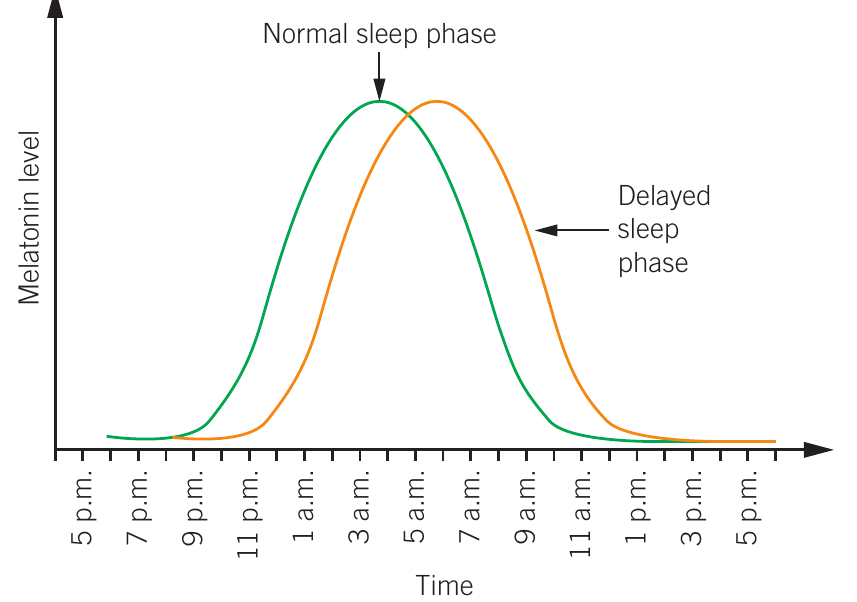
The graph above shows 24-hour melatonin levels for both normal sleep phase and Delayed Sleep Phase Syndrome. In DSPS, the entire melatonin curve is shifted later in the day, with peak melatonin levels occurring several hours after they would in a normal sleep phase.
When DSPS becomes problematic
Important
The delay in sleep onset contributes to a disorder when individuals cannot achieve their recommended sleep amount because they must wake early for work, school, or other commitments. Individuals with DSPS typically cannot fall asleep at earlier, more acceptable times due to their shifted circadian rhythm.
For instance, a university student who needs to sleep from 11 p.m. to 7 a.m. to achieve adequate sleep may be unable to fall asleep until 3 a.m. If they must wake at 7 a.m. for university, they achieve far less sleep than necessary for proper functioning.
For diagnosis, symptoms must persist for more than three months.
Risk factors
Several factors predispose individuals to DSPS:
- Age: DSPS is more common in adolescents and young adults
- Longer than average circadian period: Some individuals have circadian rhythms that naturally run longer than 24 hours
- Increased sensitivity to light: Those more sensitive to evening light may experience delayed night-time signals to the suprachiasmatic nucleus, which delays melatonin release by the pineal gland, resulting in fewer signals to the body that it is time to sleep
- Reduced morning light sensitivity: Individuals less sensitive to morning light upon waking lack sufficient light cues to the suprachiasmatic nucleus to signal a reduction in melatonin release
Treatment approach for DSPS
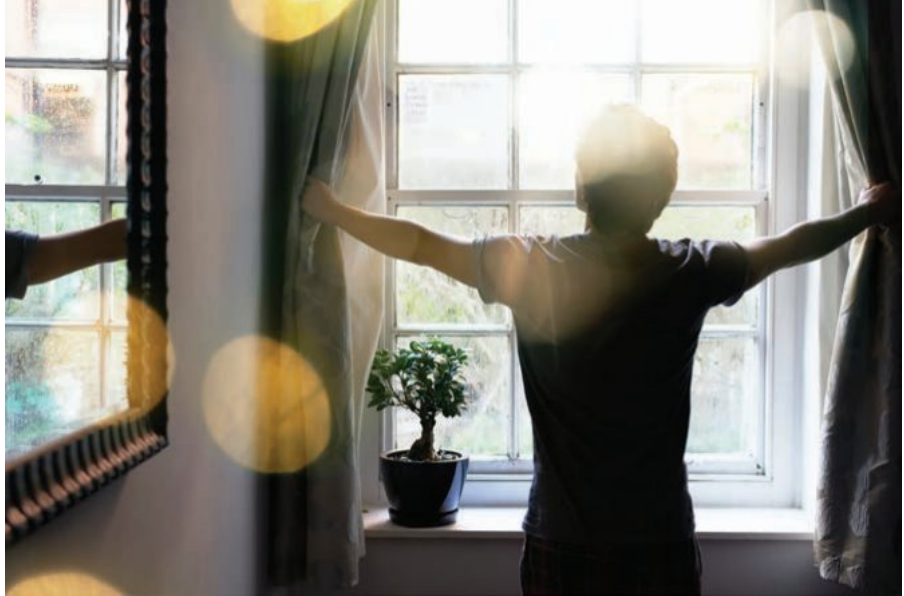
People with DSPS who can adjust their lifestyle to suit their particular sleep schedule tend to experience less sleep deprivation and fewer symptoms. When lifestyle adjustment is not possible, bright light therapy can help shift the circadian rhythm to a more appropriate time.
Note
Treatment protocol for DSPS:
- Timing: Exposure to bright light in the early morning
- Mechanism: Reduces melatonin release earlier in the morning, which resets the circadian rhythm
- Effect: Prompts the suprachiasmatic nucleus to trigger melatonin release at an earlier, more appropriate time in the evening, advancing sleepiness
- Additional measures: Limiting night-time light exposure and gradually going to bed earlier each night over several weeks
Advanced Sleep Phase Disorder (ASPD)
Definition and characteristics
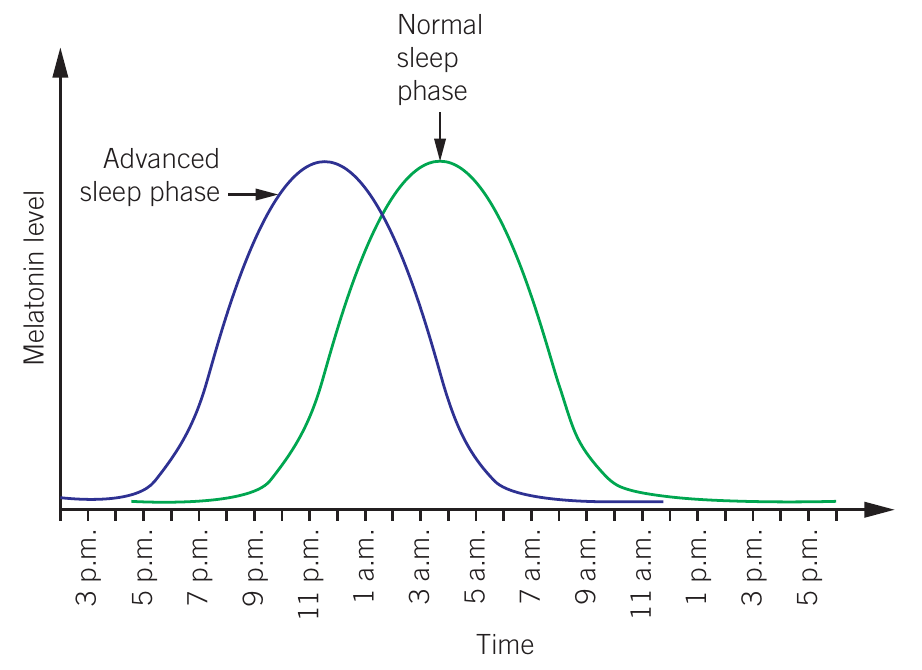
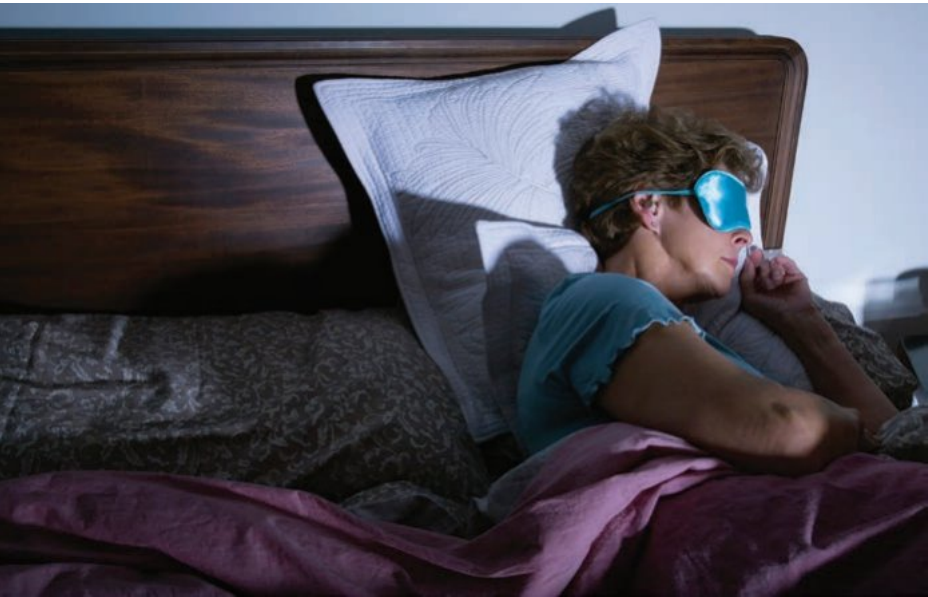
Advanced Sleep Phase Disorder (ASPD) is a circadian rhythm sleep disorder that involves an advance in the timing of sleep onset and awakening compared to desired timing. Individuals typically fall asleep two or more hours earlier than needed or acceptable, resulting in an earlier waking time than desired.
Example
Typical ASPD Sleep Pattern:
- Desired schedule: 10 p.m. to 6 a.m.
- Actual schedule with ASPD: 8 p.m. to 4 a.m.
When individuals with ASPD attempt to adhere to a more reasonable, later bedtime, they continue to experience early wake times due to the shift in their circadian rhythm.
Impact and symptoms
Important
Symptoms of ASPD become more pronounced when work or social demands require a schedule that does not match the person's natural sleep-wake cycle.
Examples include:
- A person working in hospitality may need to work late into the evening beyond when their body is ready for sleep
- A person who wakes at 4 a.m. may feel too tired for social events in the evening
- Difficulty maintaining alertness during evening activities
- Social isolation due to inability to participate in evening events
Role of light exposure
A person's exposure to light can maintain their undesired advanced circadian rhythm. By going to bed early and waking early, individuals are not exposed to the regular evening low light and morning bright light signals, which perpetuates the advanced circadian rhythm cycle and maintains the disorder.
Treatment approach for ASPD
When individuals can adjust their daytime commitments to sleep and wake at their own schedule, they tend to have a stable sleep pattern and reduced symptoms. When this is not possible, bright light therapy can help shift the circadian rhythm to a more appropriate time.
Note
Treatment protocol for ASPD:
- Timing: Exposure to bright light in the early evening
- Mechanism: Results in later melatonin release
- Effect: Delays sleepiness until a more appropriate later time of the evening
- Outcome: Resets the sleep-wake cycle to more conventional timing
Shift work disorder
Definition and affected populations
Shift work can cause a circadian rhythm sleep disorder when individuals regularly work outside normal business hours, particularly at night and in the very early morning. This includes consistent night shifts or rotating schedules in round-the-clock professions such as:
- Health care (nurses, doctors, paramedics)
- Hospitality (bartenders, restaurant staff)
- Factory work
- Transport and travel (airline crews, drivers)
- Emergency services (police officers, firefighters)
- Construction and maintenance

This disorder affects 5-10% of the population who work during nights, particularly at the middle-aged stage of the life span. Diagnosis depends on the severity of symptoms and the level of distress experienced by the individual.
Causes and challenges
Shift work can place a person's sleep-wake schedule in direct opposition to regular day-night environmental hours, resulting in distress and dysfunction due to excessive sleepiness at work and impaired sleep at home after their shift.
Example
Real-world challenge:
A nurse working a night shift needs to sleep during the day, but their sleep may be disrupted due to:
- Noise from outside traffic
- Family members or visitors
- Bright light shining through curtains
- Household activities during daytime hours
This disruption may result in sleep deprivation and excessive sleepiness during the following night shift.
Consequences
Important
The consequences of circadian rhythm sleep disorder caused by shift work are extensive and affect both mental and physical health.
Mental and behavioural consequences:
- Poor performance at work
- Interpersonal problems
- Increased risk of accidents
- Poor mental wellbeing
- Development of other mental disorders (depression, substance use disorders)
Physical health consequences:
Research has consistently found links between prolonged shift work and:
- Gastrointestinal disorders
- Cardiovascular disease
- Diabetes
- Cancer
Management strategies
Symptoms reduce when individuals can implement the following strategies:
- Spend longer on one shift rotation before changing: Reduces the frequency of circadian rhythm disruption
- Follow forward-rotating schedules: When rotation is necessary, shifts should ideally progress forward (morning → afternoon → evening), allowing better adjustment
- Maintain nocturnal routines: For those working night shifts, committing to a more nocturnal routine for social and other commitments helps the sleep-wake cycle become more consistent
- Return to daytime shifts: When individuals return to a typical, consistent daytime shift routine, symptoms can resolve
Treatment with bright light therapy
People with shift work disorder can help adjust their circadian rhythm to suit their work schedule by using bright light therapy.
Note
Treatment protocol for shift work disorder:
- Timing: Exposure to light before an evening or night-time shift
- Mechanism: Helps delay the release of melatonin
- Effect: Helps individuals feel more awake during their shift, then sleepy when the shift finishes in the morning at their designated sleep time
- Additional consideration: Light exposure timing must be carefully planned to match the specific shift pattern
Summary
Key Points to Remember:
-
Circadian rhythm sleep disorders occur when there is a misalignment between the body's internal circadian rhythm and the required sleep-wake schedule, causing distress or functional impairment.
-
Delayed Sleep Phase Syndrome (DSPS) involves sleep onset and awakening occurring 2+ hours later than desired. Treatment involves morning bright light exposure to advance the sleep phase earlier.
-
Advanced Sleep Phase Disorder (ASPD) involves sleep onset and awakening occurring 2+ hours earlier than desired. Treatment involves evening bright light exposure to delay the sleep phase later.
-
Shift work disorder affects individuals working outside normal business hours and can lead to both mental health problems (depression, substance use) and physical health problems (cardiovascular disease, diabetes, cancer).
-
Bright light therapy works by influencing the suprachiasmatic nucleus and melatonin release timing. The timing of light exposure must be carefully matched to the specific disorder: morning light for DSPS, evening light for ASPD, and pre-shift light for shift work disorder.