Development and Governance: Disaster Impact and Vulnerability and Resilience (Edexcel A-Level Geography): Revision Notes
📚Revision Notes
Development and Governance: Disaster Impact and Vulnerability and Resilience
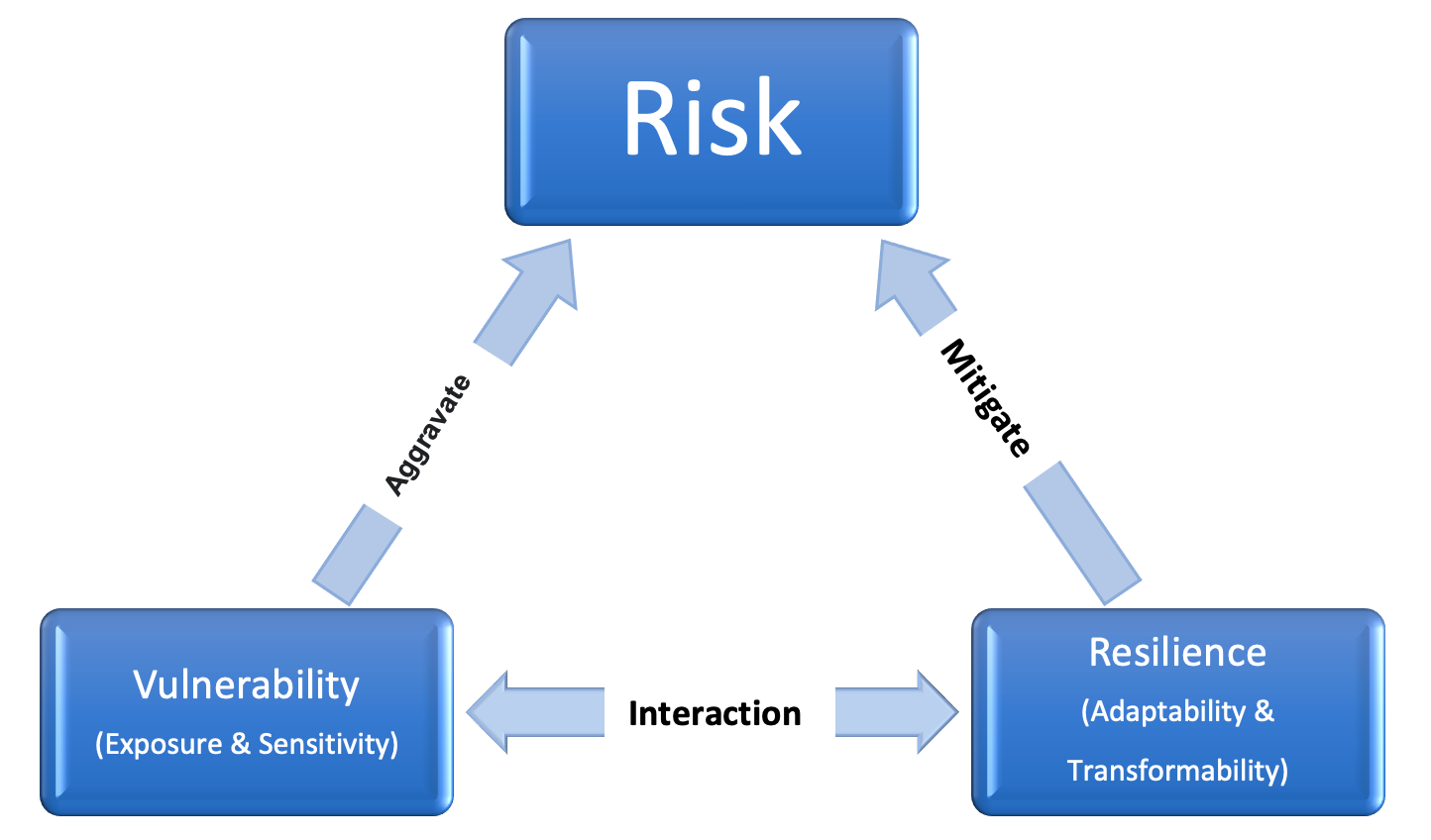
As shown by the PAR model, the most important causes are those which have economic, demographic or political basis.
Influences on Vulnerability and Resilience:
| Influence | Impact |
|---|---|
| Unequal Access to Education | • Some lack formal education, therefore, do not know about tectonic processes and hazards and what actions to take to protect themselves • These people are often unable to take part in decision-making and planning. |
| Unequal Access to Housing | • People live in poor quality housing due to lack of resources, therefore, the housing is unable to withstand hazards. |
| Unequal Access to Healthcare | • Poorer people (especially in developing countries) may lack access to doctors and medicine • During a hazard, people need immediate care and afterwards to prevent the spread of disease • Such care is not always evenly distributed. |
| Urbanisation | • Increase in number of urban areas • Not all buildings are aseismic, therefore, considerable destruction and cost post-hazard. |
| Unequal Access to Income Opportunities | • Those with a lack of income are unable to save for things like safety improvements, insurance, stockpiling emergency resources or even access to essentials such as food after the hazard • Poorer people often locate in more vulnerable or risky areas as housing is cheaper there. |
| Population Density | • The denser the population, the more that can be affected by a tectonic hazard • More people are impacted as time passes due to population growth and rural-urban migration. |
| Governance | • Corruption in local or national governments prevents investment in hazard mitigation and adaptation (e.g., stronger housing) • Preparation for hazards is often low • Populations become reliant on foreign aid after a hazard, which is not always easy to access or well organised. |
| Accessibility | • Some countries or regions are geographically isolated, therefore, after a hazard, aid is often difficult to reach them. |
Different forms of Governance:
| Type | Description |
|---|---|
| Economic | Includes decision-making processes that affect a country's economic activities and relations with other economies. ↳ Major implications for equity, poverty, and people's quality of life (QOL). |
| Political | Process of decision-making to create policies, including national disaster reduction and planning. The nature of this process: ↳ The way it brings together the state, non-state, and private sector players determines the quality of policy outcomes. |
| Administrative | The system of policy implementation requires good governance at central and local levels. In the case of disaster risk reduction, it requires enforcement of building codes, land use planning, environmental risk, and human vulnerability monitoring and safety standards. |
Development-Disaster Relationship:
| Category | Impact |
|---|---|
| Disasters Limit/Destroy Development | • Destruction of physical assets • Destruction of industry, leading to a loss of production capacity • Loss of market access and input materials • Damage to infrastructure • Erosion of livelihoods and savings • Destruction of health or education infrastructure • Deaths, disablement, or migration of productive labour force |
| Development Causes Disaster Risk | • Unstable development practices that create unsafe working conditions and lower environmental quality • Development paths generating inequality, promoting social isolation, or political exclusion |
| Development Reduces Disaster Risk | • Access to safe drinking water, food, and secure dwelling places increases community resilience • Fair trade and technology can reduce poverty, social security can reduce vulnerability • Development can build communities and broaden involvement in decision-making • Enhances education, health, and wellbeing |
| Disasters Create Development Opportunities | • Creates a reason to put in place disaster-risk reduction measures • Decision makers are more willing to allocate resources in the wake of a disaster • Rehabilitation and reconstruction activities create opportunities for integrating disaster-risk measures |