Case Study → Conflicts over Trans-Boundary Water Sources, River Nile (Edexcel A-Level Geography): Revision Notes
📚Revision Notes
Case Study → Conflicts over Trans-Boundary Water Sources, River Nile
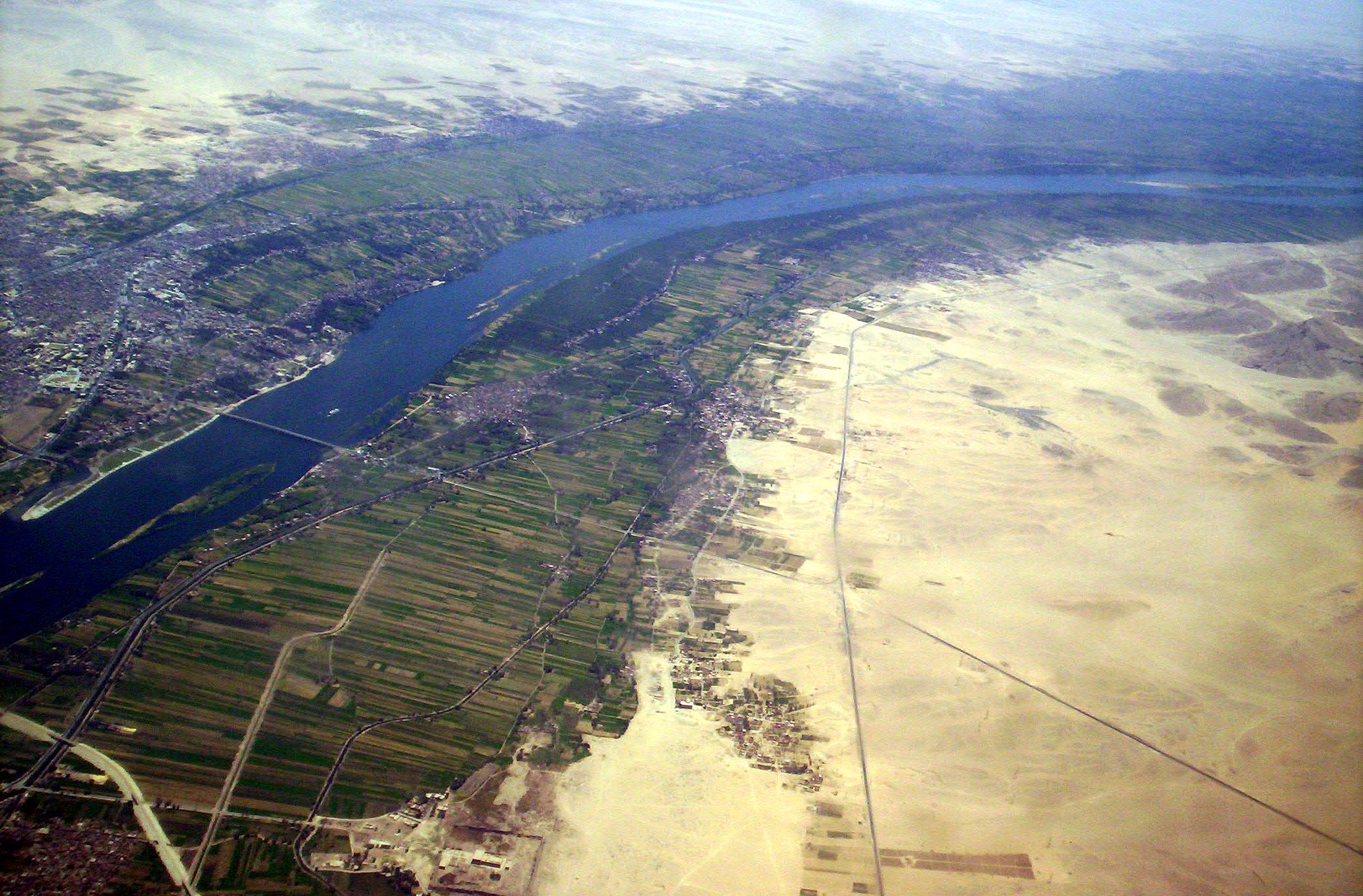
| Context | ● 6700km long • world's largest river ● Sources: The White Nile & The Blue Nile ○ Confluence is at Khartoum ● The Nile Basin covers approx 10% of the African Continent |
|---|---|
| Hydrology of the River Nile | ● 11 countries compete for the Nile's water, yet at approx 80 billion cubic metres (∴ the Nile has a very modest discharge levels Key features about the pattern of discharge that could ↑ disputes: ● White Nile provides 30% of flows measured at Aswan, Egypt. While the Blue Nile is small relative to the White Nile, the heavy monsoonal rainfall from July to September means it is by far the greatest contributor to the Lower Nile flows ● Seasonal variation in flow poses a key challenge to river basin planners and agriculturists especially as it is susceptible to major inter-annual and decadal fluctuations ● Much of the river system is located in hot, arid areas where evaporation losses are high, especially in the Sudd area of S Sudan ○ Between entry & exit the White Nile loses up to 50% of its flow |
| Geopolitical
Issues | ● Large number of national borders around it
● 300 mil currently live in the Nile Basin & this is projected to double placing further
pressure on water supplies for domestic and agricultural use
● Egypt is dependent on the Nile for 95% of its water needs, but other states such as
Ethiopia need large supplies of water to develop crop irrigation, HEP production and
industrial processing in order to ↓ poverty
● Demands from growing populations and development combined with the impact of
climate change means that the Nile Basin Countries will all be potentially water
scarce by 2025
○ This will ultimately have an impact on food security also |
| Historical
Agreements | ● 1929 • First Nile waters agreement
○ 48 mil m³ to Egypt & 4bn to Sudan, only 14% to other African countries
○ But Egypt was given the right to VETO any modifications in the use of the
Nile's water in any of the other 9 nations
● 1959 • Second Nile waters agreement
○ 55 bn m³ to Egypt & 18.5 bn to Sudan
○ None to African countries, as the rest lost to EVT |
| Potential Water
Conflicts Upon
Nile Nations | ● Sudan & Egypt have an ever increasing need for water
● In 2010, Ethiopia, Rwanda, Tanzania and Uganda signed a new water treaty with
others committing to signing later
○ States that all riparian countries should have equal rights to use of the Nile
water
|
| War or Peace? | ● In the Nile Basin, the conditions for a potential conflict are there, but the focus has
instead been on cooperation
● Some would argue that Egypt and Sudan are too politically weak with other wars
that they would not have the capacity to fight a Nile war simultaneously
● It seems as though Ethiopia-Egypt wars are more likely due to the GERD
|
-
Water conflict, River Nile*