Biological carbon cycles and the water cycle: threatened by human activity (Edexcel A-Level Geography): Revision Notes
📚Revision Notes
Biological carbon cycles and the water cycle: threatened by human activity
Growing Demand for Resources
Exponential population growth (↑ by 36% between 1990 and 2015), and economic development associated w/ higher consumption levels has caused a massive ↑ in global demand for resources.
↳ Lead to contrasting regional trends in land use cover because deforestation, afforestation and conversion of grassland to
farmland has affected terrestrial carbon stores and consequently both the water cycle and soil health.
Deforestation
- Forests cover approx 30% of the earth's land area (more than ½ of forested land is cleared for commodity production
- Land covered to build dams and reservoirs (likely to ↑ w/ rising energy demands, or as water supplies ↓)
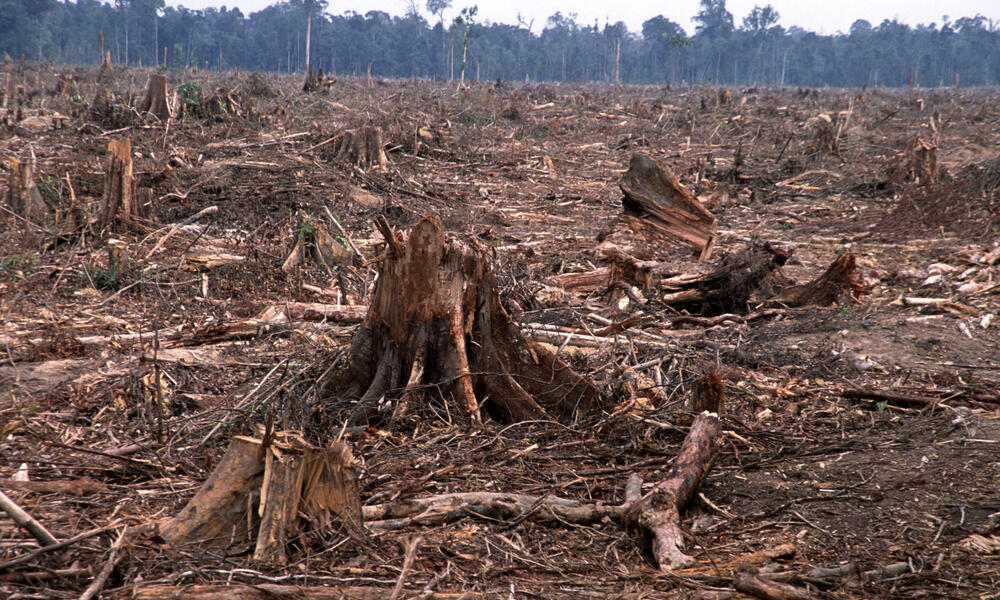
Deforestation
Impacts on the Water Cycle
- Less trees to intercept rainfall, so more surface runoff, shorter lag times (causing increased flood risk) and decreased groundwater
- More soil erosion as less roots to bind soil together and less evaporation from
- Loss of trees disrupts weather patterns and this can lead to more intense flooding and droughts; as reduced rate of evapotranspiration creates a drier
Impacts on the Carbon Cycle
- Reduction of carbon storage in biosphere and less carbon absorbed via photosynthesis - particularly in tropical rainforest (which is the most effective biome for absorbing and storing carbon).
- Also accelerates the decay of dead wood and litter as well as that of below-ground organic carbon
- Local climate and soil conditions determine the rates of decay
- More carbon released from combustion due to forest clearing and burning of biomass for fuel in poorer
- Reduced litter for decomposition and organic carbon store, so soils become drier and less able to store
Afforestation and Reforestation
- Afforestation - The replanting of trees on previously forested land
- Reforestation - The replanting of trees on marginal crop and pasture lands Aim: To reincorporate carbon from atmospheric CO2 into biomass
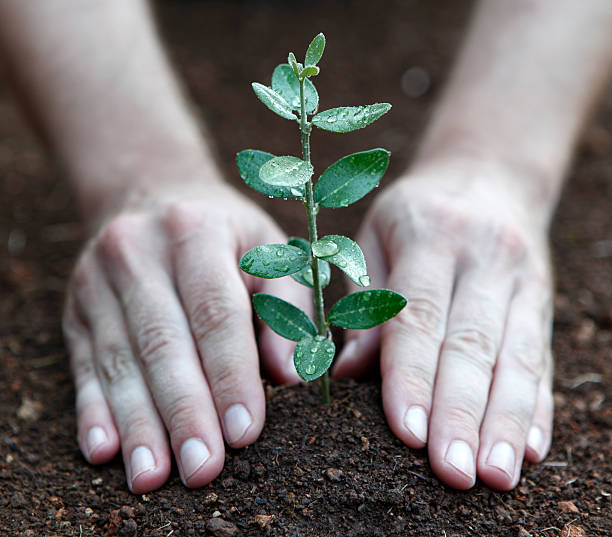
*Afforestation *
Grassland Conversion
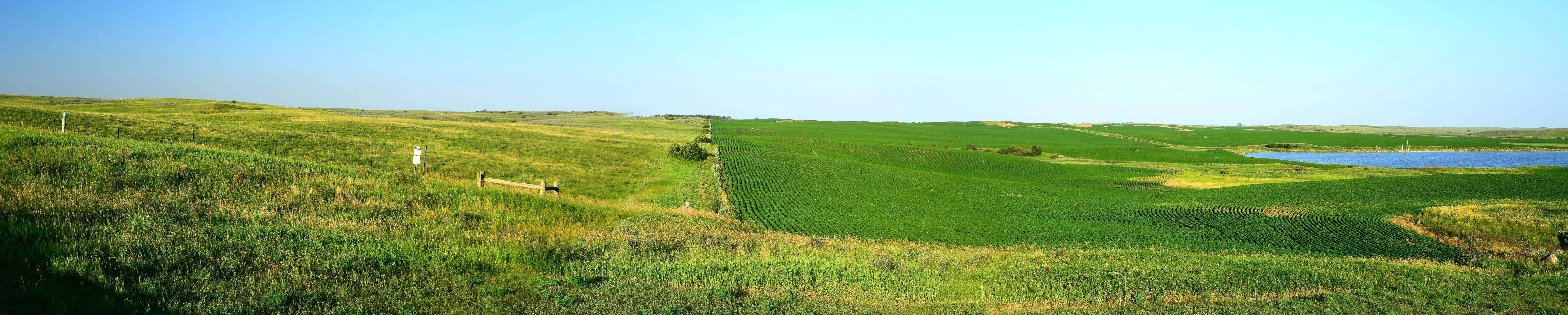
- Extensive areas of temperate and tropical grasslands have been converted to croplands as temperate grassland has no trees but tropical grassland have trees, but infertile soil
- Grasslands trap moisture & floodwater, provide soil cover and absorb toxins from it
- Provide habitats for wildlife and act as a carbon sink
- Cropland soils can lose carbon as a consequence of carbon disturbance - tillage increases aeration and soil temperatures, making soil aggregates more susceptible to breakdown
- Soil carbon content can be protected and/or increased through alteration of tillage practices, crop rotation, nutrient management, reduction of soil and improvement of irrigation
Urbanisation
- The main land use conversion
- Of all forms of development, none has had a more destructive impact on the carbon and water cycle
Ocean Acidification
Refers to the reduction of an ocean's pH caused by ↑ in CO2 uptake and surges in fossil fuel consumption
↳ Beginning to cross the critical threshold for the health of coral reefs and other marine ecosystems
Impacts
- Growth of coral reefs is reduced
- Bleaching of coral (kills parts of reefs)
- Creatures that live in coral reefs have their habitats slowly disrupted
- The ecosystem service that coral provides is ∴ impaired
Forest Health
The enhanced greenhouse effect has resulted in climate change which may ↑ the frequency of droughts
- Climate belts are shifting polewards
- Droughts in forested areas are increasing (∴ tropical rainforests are seriously threatened) ↳ May impact on the health of forests as carbon stores, as they are further affected by deforestation