Wastage (AQA GCSE Design and Technology): Revision Notes
📚Revision Notes
Polymer wastage processes
Introduction to wastage
Note
What is Wastage? Wastage describes the various processes used to shape, fabricate, construct and assemble high-quality polymer prototypes. These techniques work by removing material through cutting or abrading methods.
Understanding these processes is crucial for successfully working with different types of polymer materials in both educational and professional settings. The key function of wastage processes is to transform raw polymer materials into precise, finished components through controlled material removal.
Hand tools for cutting polymers
Hacksaws and specialised saws
The hacksaw serves as a fundamental cutting tool for polymer work. This tool features a blade with teeth pointing forwards and uses screw tensions to maintain proper blade tightness. The cutting action requires steady, controlled strokes to achieve clean cuts through various polymer materials.
For more delicate work, the junior hacksaw offers superior precision. With finer teeth and a frame tension blade system, this smaller tool excels at making precise cuts on thinner polymer sheets and smaller components where accuracy is paramount.
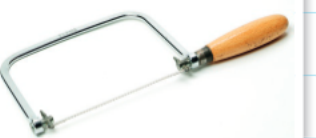 The coping saw provides a specialised solution for curved cutting tasks. Unlike straight-cutting tools, the coping saw has teeth pointing towards the handle, enabling users to create intricate curved cuts and complex shapes that would be impossible with conventional saws.
Abrafiles and cutting techniques
An abrafile represents a versatile cutting solution, consisting of a thin, round file blade that fits securely into a frame saw such as a coping saw. This tool's greatest advantage lies in its ability to cut in any direction, making it invaluable for detailed shaping work and finishing tasks on polymer components.
Sheet polymers respond well to laminate cutters, which offer a different approach to material separation. These tools allow you to score the polymer surface, then snap it cleanly along the scored line, providing neat breaks without generating heat or creating rough edges.
Machine tools for cutting polymers
Powered cutting solutions
A scroll saw operates using a fine blade with reciprocating action, meaning the blade moves back and forth rapidly to cut through materials. This precise cutting motion provides excellent control for detailed work and intricate patterns in polymer sheets.
Important
Heat Generation Warning Band saws can handle larger polymer cutting tasks effectively, but they require careful attention to cutting speed and technique. The machine generates heat during operation, which could potentially melt plastic materials as they're being cut, so proper feed rates and cooling become essential considerations.
Laser cutting technology
Laser cutting represents a relatively new but increasingly popular technology in educational settings. This advanced process offers several compelling advantages that make it particularly suitable for polymer work:
The laser system cuts through polymers using a focused beam, eliminating the need to physically hold work pieces during cutting. This hands-free operation significantly improves safety while allowing for extremely accurate cuts. The technology proves versatile enough for both cutting applications and engraving decorative or functional patterns into polymer surfaces.
The precision achievable with laser cutting far exceeds traditional methods, making it ideal for creating complex geometric shapes, intricate patterns, and highly detailed components that would be challenging or impossible to produce with conventional tools.
Tools for drilling polymers
Specialised drilling equipment
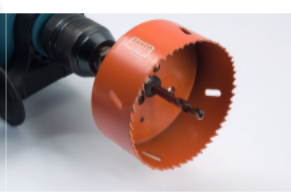 Hole saws serve a specific purpose in polymer work, designed to cut larger circular holes efficiently. These cylindrical cutting tools typically handle hole sizes ranging from , removing entire circular sections of material rather than just creating small holes.
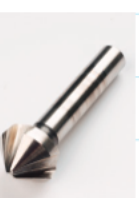 Machine countersink drill bits create precisely angled holes at angles, specifically designed to accommodate countersunk screws. This ensures that screw heads sit flush with the polymer surface, providing both functional and aesthetic benefits in finished assemblies.
Example
Worked Example: Proper Drilling Technique
Step 1: Secure the polymer workpiece with appropriate clamping Step 2: Select the correct drill bit type for your material Step 3: Set appropriate speed (slower for harder polymers) Step 4: Apply steady, controlled pressure during drilling Step 5: Clear chips regularly to prevent overheating
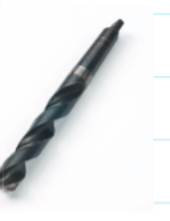 Twist drills represent the most commonly used drilling solution for polymer materials. Manufactured from high-speed steel, these bits employ a 'wedge' cutting action that efficiently removes material while creating clean, accurate holes. Their spiral flute design helps evacuate waste material during drilling, preventing clogging and overheating.
Advanced polymer processing techniques
Filing processes and grades
Files are precision tools manufactured from high-carbon steel, designed to remove small, controlled amounts of polymer material. The cutting characteristics relate directly to the intended type of work, with files classified into distinct grades based on their coarseness:
Rough cut files handle initial shaping and coarse material removal tasks. Second cut files serve general-purpose applications, providing a balance between material removal rate and surface finish quality. Smooth or dead smooth files excel at fine work and finishing operations, creating refined surfaces ready for final assembly. Needle files represent miniaturised versions of standard files, essential for precision work in tight spaces or on delicate components.
Files come in various cross-sectional shapes including square, triangle, round, half-round, mill, and flat profiles. Each shape serves specific applications, allowing craftspeople to match the tool geometry to their particular shaping requirements.
Filing techniques
Two primary filing techniques provide different approaches to material removal:
Cross filing removes larger amounts of material by working diagonally across the length of the workpiece. This technique proves most efficient for initial shaping and rapid material removal tasks.
Draw filing involves working along the length of the material, serving primarily as a finishing method. This technique produces smoother surfaces and helps eliminate cross-file marks from previous operations.
CNC routers
Computer Numerical Controlled (CNC) routers represent sophisticated automated cutting systems that offer significant advantages for polymer processing:
These machines execute processes quickly because they operate automatically according to programmed instructions. The automation eliminates human variables, resulting in very precise cuts with consistently high degrees of accuracy across multiple identical parts.
Safety improves substantially because CNC operations can be conducted behind protective screens or guards, keeping operators away from moving cutting tools. The programmable nature means complex operations can be easily repeated, ensuring consistency across production runs while reducing the potential for human error.
Hot wire cutting systems
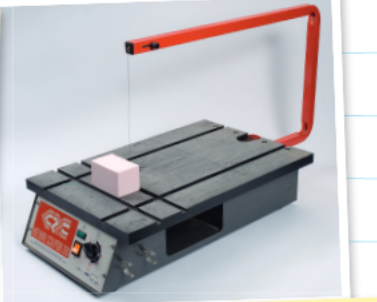 Hot wire cutting employs a thin wire manufactured from stainless steel or nickel chrome materials. The system electrically heats this wire to approximately and stretches it between a base platform and a cantilever arm structure. The heated wire melts through expanded polystyrene and similar foam materials, creating smooth, precise cuts.
Important
Mandatory Safety Requirement When cutting expanded polystyrene, fume extraction becomes mandatory to remove potentially harmful vapours released during the melting process. Proper ventilation protects both operators and the surrounding environment from toxic fumes.
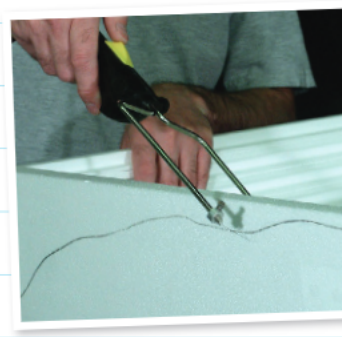 Handheld hot wire cutters provide greater flexibility and portability compared to stationary systems. These tools allow users to cut more intricate shapes and work on larger pieces that won't fit on standard cutting tables. Some handheld models feature adjustable wire shapes, enabling precise cuts for specific applications.
Safety considerations and practical applications
Working with polymer materials requires attention to several critical safety measures:
Important
Critical Safety Measures
Drilling Acrylic Materials: Operators must use correct drill speeds and ensure work pieces are properly clamped to prevent the brittle material from cracking or catching on the drill bit. Acrylic's tendency to crack under stress makes proper support essential.
Eye Protection: Eye protection becomes mandatory during all drilling operations, as polymer chips and debris can cause serious injury. Safety goggles should meet appropriate standards and fit properly to provide complete protection.
Fume Extraction: Fume extraction systems are essential when cutting expanded polystyrene with hot wire tools, as the melting process releases potentially harmful vapours. Proper ventilation protects both immediate operators and others in the workspace.
Proper Clamping: Proper clamping techniques ensure work pieces remain securely positioned throughout cutting, drilling, or filing operations. Loose materials can shift unexpectedly, causing injury or ruining the work piece.
Summary
Key Points to Remember:
- Wastage processes systematically remove material through cutting or abrading to achieve desired polymer component shapes and dimensions
- Hand tools like hacksaws, coping saws, and files provide precise control for detailed work where accuracy and craftsmanship matter most
- Machine tools including laser cutters and CNC routers deliver superior speed, consistency, and safety advantages for production work
- Drilling requires specific techniques tailored to different polymer types, with appropriate speeds, proper clamping, and safety equipment essential for success
- Safety measures including eye protection, secure work holding, and fume extraction systems are non-negotiable requirements for all polymer processing operations