The Pathway of Air (AQA GCSE Physical Education): Revision Notes
📚Revision Notes
The Pathway Of Air
Pathway of Air
Nasal Cavity / Mouth:
- Nasal Cavity: Air enters through the nostrils, where it is filtered by hairs, warmed, and humidified.
- Mouth: Air can also enter through the mouth, especially during intense physical activity.
Pharynx (Throat):
- The air passes through the pharynx, a muscular tube that serves both the respiratory and digestive systems.
Larynx (Voice Box):
- The air then moves into the larynx, which contains the vocal cords. The larynx is involved in producing sound and also serves as a passageway for air.
Trachea (Windpipe):
- The trachea is a tube that connects the larynx to the bronchi. It is lined with cilia and mucus to trap and expel dust and other particles.
Bronchi:
- The trachea divides into two bronchi, each leading to one lung. The bronchi continue to branch into smaller tubes called bronchioles within the lungs.
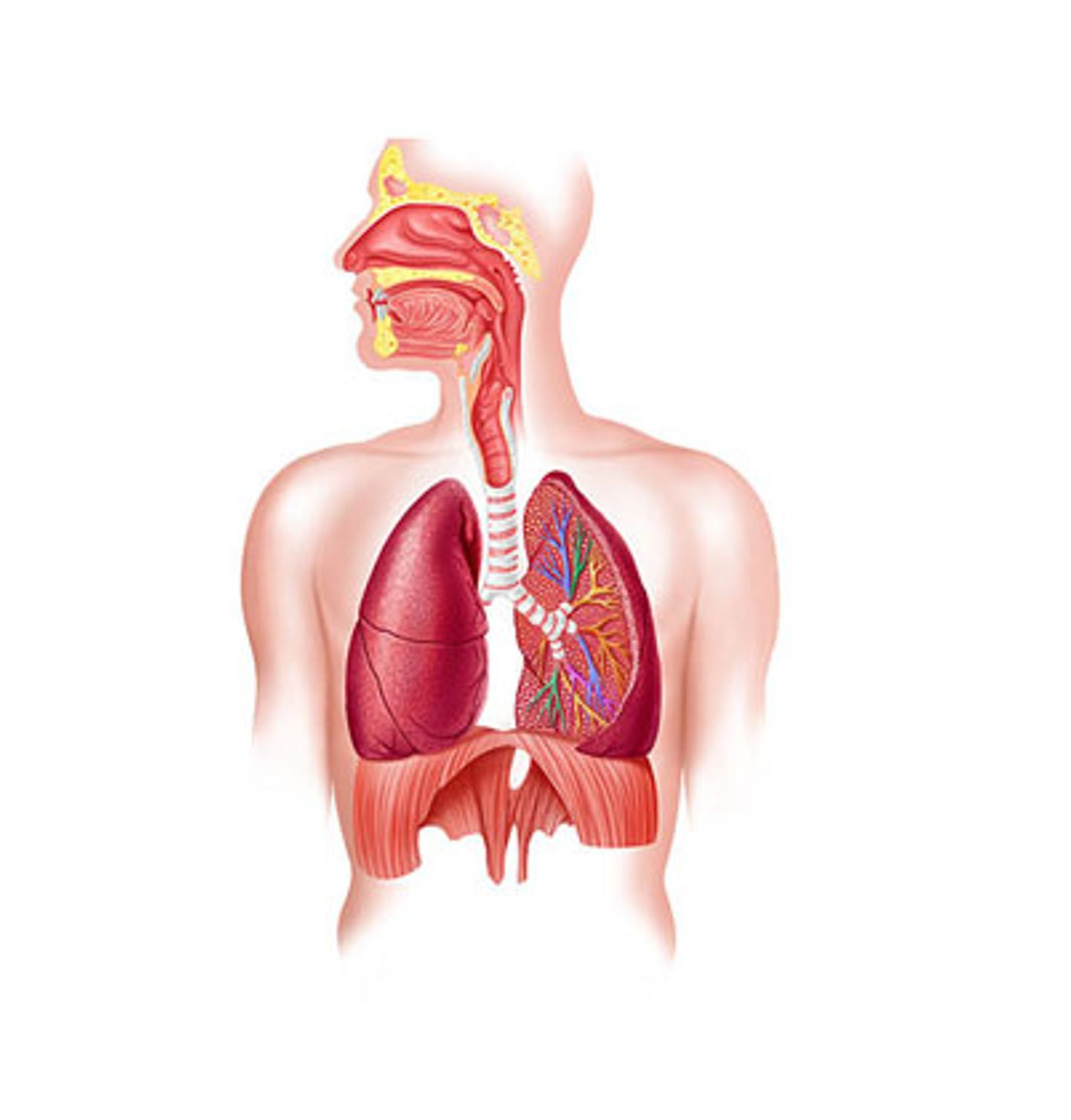
Bronchioles:
- Bronchioles are smaller air passages that spread throughout the lungs, leading to the alveoli.
Alveoli:
- Alveoli are tiny air sacs at the end of the bronchioles where gas exchange occurs. The walls of the alveoli are extremely thin and surrounded by capillaries.
- Gas Exchange: Oxygen from the inhaled air passes through the alveolar walls into the blood in the capillaries. At the same time, carbon dioxide from the blood passes into the alveoli to be exhaled.