Disposing of polymers (Edexcel GCSE Chemistry Combined Science): Revision Notes
📚Revision Notes
Disposing of polymers
Polymers and Crude Oil
Polymers, like plastics, are made from crude oil, a finite resource that will eventually run out. Crude oil is essential for many things, such as fuel for cars and heating homes. To conserve crude oil and reduce costs, it's important to recycle polymers.
Problems with Disposing of Polymers
1. Landfill Sites
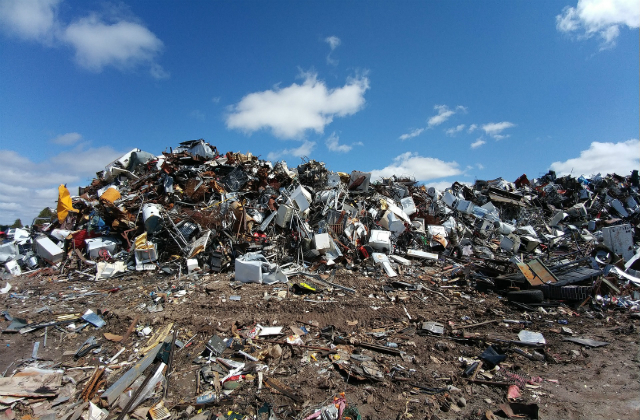
Many plastics end up in landfill sites because they are too difficult or expensive to separate and recycle.
These sites take up a lot of valuable land, which is being used up quickly.
- Most plastics are non-biodegradable, meaning they don't break down naturally by microorganisms, and can last for hundreds of years in landfills.

2. By Combustion (Burning)
Plastics can be burned to produce energy, but this creates serious environmental problems:
- Toxic gases are released, especially if the plastic contains chlorine, which forms hydrogen chloride (HCl), a harmful gas.
- Carbon dioxide (CO₂) is produced, which contributes to global warming.
Recycling Polymers
Recycling polymers is a great way to reduce the need for crude oil and help minimise the environmental impact of plastic waste.
- Polymers are unreactive, which is a useful property because they can be safely used to store food and other items. However, this also makes them difficult to dispose of.

The Problem with Non-Biodegradable Polymers
Most common polymers, like poly(ethene) and poly(propene), are not biodegradable. Since microorganisms cannot break them down, they create litter problems and stay in the environment for a long time.
- Landfill sites get filled up with these non-biodegradable polymers, wasting valuable space that could be used for other waste.