Types of materials and their uses (Edexcel GCSE Chemistry Combined Science): Revision Notes
📚Revision Notes
Types of materials and their uses
Different materials are used in everyday products because they have unique properties that make them suitable for specific purposes. Here's a breakdown of four common types: ceramics, polymers, metals, and composites.
Ceramics
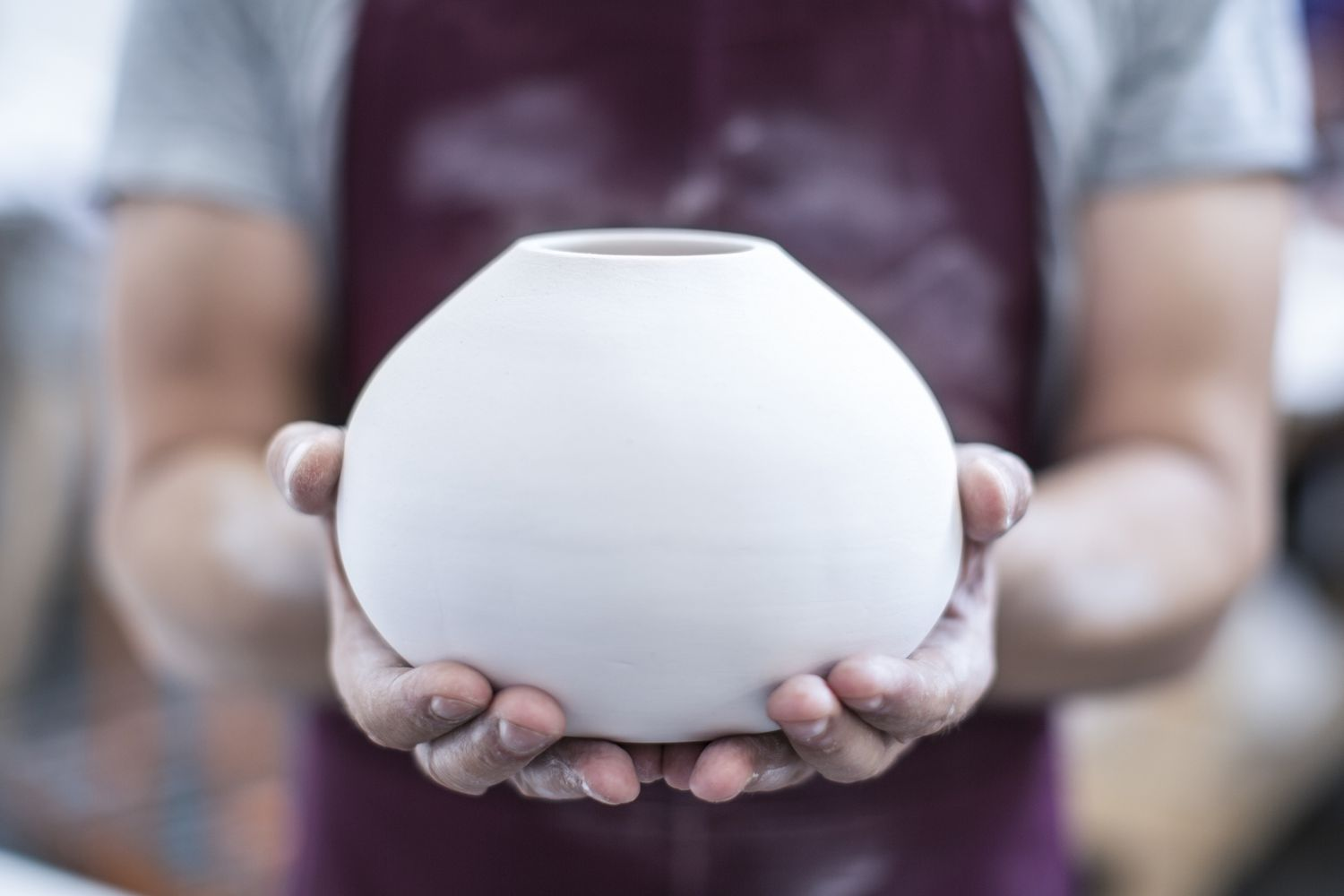
- Thermal and electrical insulators: Ceramics do not conduct heat or electricity, making them suitable for things like insulators in electrical wiring.
- Brittle but strong: Ceramics are hard and strong, but they can easily break or shatter if hit with a strong force.
- Hard-wearing: They can withstand high temperatures and pressures without breaking down.
- Resistant to degradation and corrosion: Ceramics don't degrade over time and do not react with water or chemicals, making them durable.
Note
Uses: Cooking pots, tiles, electrical insulators, and even artificial bones.
Polymers
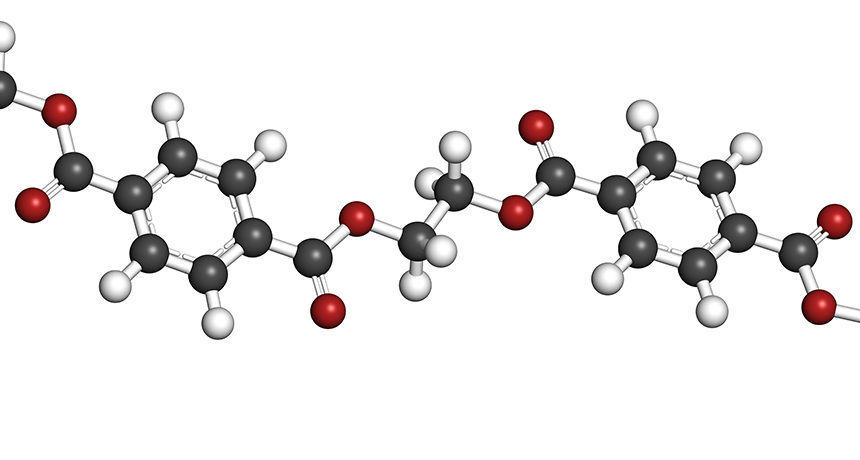
- Flexible: Polymers can be bent and stretched without breaking, making them ideal for products that need to be moulded into shapes.
- Lightweight: They are less dense than metals or ceramics, making them suitable for products where low mass is important.
- Easily moulded: Because they are easy to shape, they are used for many everyday products, such as plastic bottles and packaging.
- Cheaper: Polymers are generally inexpensive to produce, making them cost-effective.
- Thermal and electrical insulators: Like ceramics, polymers do not conduct heat or electricity.
- Can degrade over time: Polymers, especially when exposed to sunlight or certain chemicals, can break down over time.
Note
Uses: Packaging, clothing, toys, and household items.
Metals
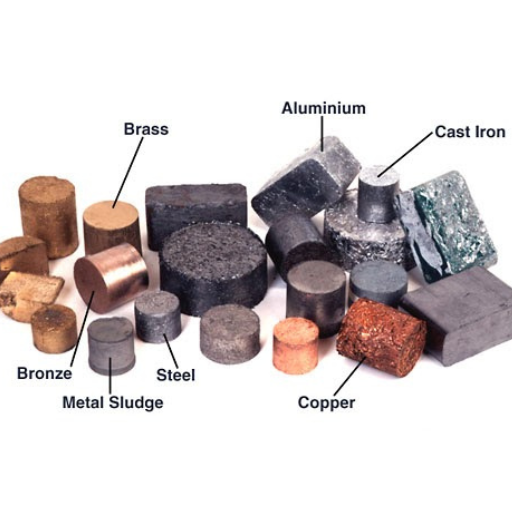
- Thermal and electrical conductors: Metals can conduct heat and electricity, making them ideal for wiring and cooking equipment.
- Malleable: They can be shaped or hammered into different forms without breaking, so they are used in manufacturing and construction.
- Less brittle: Unlike ceramics, metals do not shatter easily. They may bend or deform under pressure, but they are unlikely to break into pieces.
- Some metals corrode: Metals like iron can rust (corrode) over time if exposed to water and air. However, metals like stainless steel and aluminium are more resistant to corrosion.
- Long-lasting: If properly protected, metals can last for a very long time.
Note
Uses: Building materials, vehicles, electrical wires, and tools.
Composites
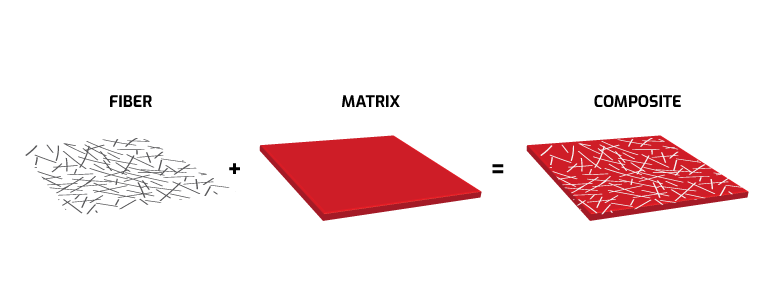
- Made from two or more different materials: Composites combine different materials to produce something with better properties than the individual materials.
- Properties depend on the materials used:
- Matrix/binder: Holds everything together.
- Reinforcement: Provides strength and flexibility.
- Can be tailored for specific uses: Depending on the combination of materials, composites can be made stronger, lighter, or more flexible.
- More expensive: Due to the manufacturing process, composites tend to be costlier than metals, polymers, or ceramics.
Example
Examples:
- Fibreglass: Made from glass fibres and a polymer resin, used for car bodies and sports equipment.
- Concrete: A composite of cement, sand, and gravel, used in construction.
- Carbon fibre: Made from carbon strands embedded in a plastic matrix, used in high-performance sports equipment and aircraft.
Choosing the Right Material: Life Cycle Assessment (LCA)
To decide which material is the most suitable for a specific product, scientists and engineers use a life cycle assessment (LCA). This looks at:
- Raw material extraction: How much energy and resources are used to get the material.
- Manufacturing: The environmental impact of making the material.
- Use: How well the material performs and how long it lasts.
- End of life: How easy it is to recycle or dispose of the material.