Rational explanations for disease (Edexcel GCSE History): Revision Notes
📚Revision Notes
Rational explanations for disease (c1250-c1500)
Introduction
During mediaeval England (c1250-c1500), people still relied heavily on rational explanations for disease that had been developed in the ancient world. These theories attempted to use logical reasoning and observation to understand why people became ill, rather than attributing all illness purely to supernatural causes.
Note
The term "rational" in mediaeval medicine meant using systematic thinking and observable patterns, even though these explanations were often incorrect by modern standards. Mediaeval physicians genuinely believed they were applying scientific principles to understand disease.
The theory of the four humours
The most influential rational explanation for disease came from ancient Greece and was known as the Theory of the Four Humours. This theory dominated medical thinking throughout the mediaeval period and provided what people believed was a scientific explanation for illness.

According to this theory, everything in the universe was made up of four basic elements: air, fire, earth, and water. The human body contained four corresponding fluids called 'humours':
- Blood (linked to air and spring)
- Phlegm (linked to water and winter)
- Yellow bile (linked to fire and summer)
- Black bile (linked to earth and autumn)
Each humour was associated with different qualities - hot, cold, wet, or dry. Mediaeval physicians believed that when these four humours were perfectly balanced in a person's body, they remained healthy. However, if the balance was disturbed and one humour became dominant, the person would fall ill.
Important
The Key Principle: Balance Equals Health
The fundamental concept underlying all humoral medicine was that health depended entirely on maintaining perfect equilibrium between the four humours. Any imbalance, no matter how small, was believed to cause illness.
To restore health, medical practitioners would try to rebalance the humours by removing excess fluids or adding what was lacking. This theory seemed logical to mediaeval people because it provided a clear cause-and-effect explanation for illness that they could understand and act upon.
Galen and the theory of opposites
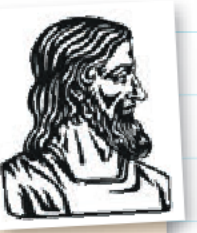
Building on the Four Humours theory, a Greek physician named Galen developed these ideas further in the 2nd century AD. Galen had worked in ancient Rome and conducted extensive research, including dissecting animals and observing wounded gladiators. His writings became the foundation of medical training throughout mediaeval England.
Note
Galen's reputation was built on his systematic approach to medicine and his extensive written works. He produced over 300 medical texts that covered anatomy, physiology, and treatment methods, making him the most authoritative medical voice for over a thousand years.
Galen created the Theory of Opposites, which provided a systematic approach to treating illness based on the Four Humours. His method involved treating patients with the 'opposite' qualities to their symptoms. For example, if someone had too much phlegm (which was cold and wet), they should be given hot, dry treatments like eating peppers.
Example
Worked Example: Applying the Theory of Opposites
Patient Symptoms: Excessive coughing and runny nose (indicating too much phlegm - cold and wet)
Step 1: Identify the dominant humour
- Phlegm is cold and wet
Step 2: Determine opposite qualities needed
- Treatment must be hot and dry
Step 3: Select appropriate remedies
- Hot foods: peppers, ginger, mustard
- Dry treatments: sitting near fires, dry environments
- Avoid cold, wet foods like fruits or dairy
Galen's treatments typically involved:
- Bloodletting - removing excess blood through cutting or using leeches
- Purging - using medicines to make patients vomit or have diarrhoea
- Dietary changes - eating foods with opposite qualities to the illness
Important
Critical Limitation of Galen's Work
Galen also created detailed diagrams of human anatomy, though these were based on animal dissections and contained many errors. His influence was so strong that mediaeval physicians rarely questioned his methods, even when treatments didn't work effectively. This blind acceptance of authority hindered medical progress for centuries.
The miasma theory
Another rational explanation that persisted throughout the mediaeval period was the miasma theory. This theory proposed that disease was caused by 'bad air' that had become corrupted or poisonous.
Mediaeval people believed that foul-smelling air indicated the presence of disease-causing substances. This theory had both rational and religious elements - while it seemed logical that bad smells might cause illness, many also believed that these evil airs were connected to sin and God's punishment.
Note
The miasma theory actually contained a grain of truth - areas with bad smells often were associated with poor sanitation and waste disposal, which did contribute to disease spread. However, mediaeval people attributed the wrong cause (bad air) to what was actually contamination and poor hygiene.
The miasma theory originated in the ancient world but continued to be influential well beyond the mediaeval period, lasting until the 19th century. It explained why diseases seemed to spread in crowded, dirty areas where the air smelled bad, though people didn't understand the real connection to poor sanitation and hygiene.
Timeline of key developments
- Ancient Greece: Theory of Four Humours developed
- 2nd century AD: Galen develops Theory of Opposites in ancient Rome
- c1250-1500: These rational theories dominate medical practice in mediaeval England
- Throughout mediaeval period: Miasma theory continues alongside humoral theories
Summary
Key Points to Remember:
- Mediaeval medicine relied heavily on rational theories from ancient Greece and Rome, particularly the work of Galen
- The Theory of Four Humours explained illness as an imbalance of blood, phlegm, yellow bile, and black bile in the body
- Galen's Theory of Opposites provided systematic treatments using opposite qualities to symptoms (hot vs cold, wet vs dry)
- Bloodletting and purging were common treatments designed to restore humoral balance
- The miasma theory blamed disease on bad air and remained influential for centuries