Responses to Spanish Influenza and AIDS (OCR GCSE History A (Explaining the Modern World)): Revision Notes
📚Revision Notes
Responses to Spanish Influenza and AIDS
Spanish Influenza and AIDS
During the mediaeval period in Italy, doctors believed that the unfavourable influence of the planets caused the flu. The viral disease was then called influenza, which means 'influence'. From 1918 to 1920, following the end of WWI, a deadly flu virus caused the death of about 50 to 100 million people. Most victims were 20 to 40-year-olds.
SPANISH INFLUENZA
Based on estimates, the Spanish flu infected about one third of the world's population. Despite bearing its name, the Spanish flu did not originate in Spain. According to the National Geographic in 2014, the virus may have originated in China and was transported to the Western Front through the Chinese Labour Corps who built trenches and repaired damaged tanks during WWI.
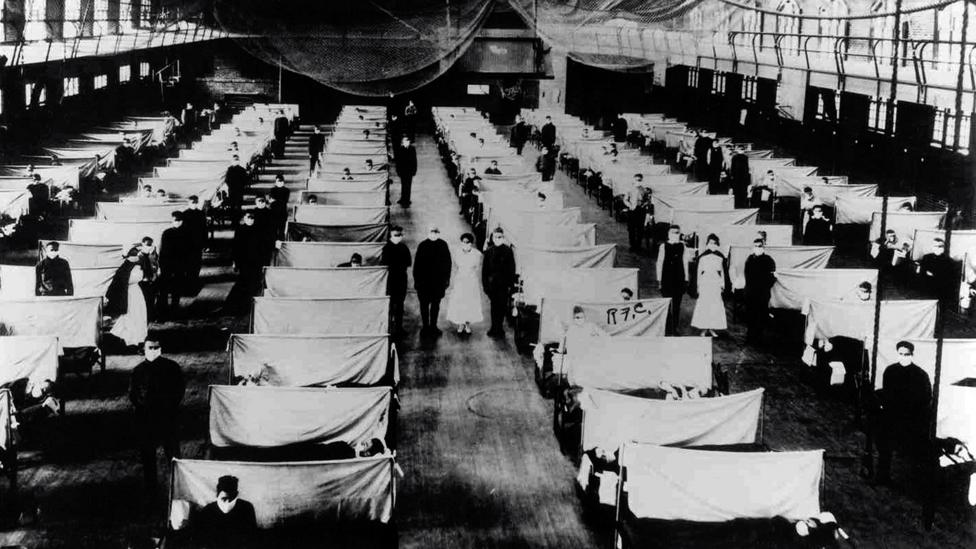
Image showing a hospital treating Spanish flu
Note
The strain was called the Spanish flu because it was Spain (then a neutral country during the war) that first published accounts of the illness. They did not impose strict censorship like other countries.
- Scholars suggest that soldiers on the Western Front became vulnerable to the flu because they lived in dirty and damp conditions. Moreover, most were malnourished and, thus, had weak immune systems.
- As soldiers returned to their home countries, towns and cities, they brought the undetected virus with them and infected civilians there.
- Unlike other infectious diseases, the people the virus hit the hardest were previously healthy young adults aged 20 to 30.
- The city of Madrid in Spain was also struck by the virus. About 30% to 40% of people living in populated areas were infected. As a matter of fact, Alfonso XIII, the king of Spain, contracted the disease.
Note
Symptoms of the Spanish flu included headache, tiredness, dry and hacking cough, loss of appetite, excessive sweating and development of pneumonia.
The virus reached mainland Europe, including Hungary, Germany, France, Britain and Sweden, as well as South Africa and the United States by late 1918, which made it a pandemic. According to Nancy Bristow's American Pandemic: The Lost Worlds of the 1918 Influenza Epidemic, about 500 million people around the world were infected by the flu. About 50 million people died, and 675,000 of them were Americans.
In order to avoid infections, people were advised to do the following:

Avoid crowded places

Avoid shaking hands

Spitting in the streets of New York was made illegal

Avoid touching library books

Eat cinnamon

Stay indoors

Cover mouth and nose
Note
With the effect of WWI and the Spanish flu, the worldwide population drastically decreased.
AIDS
A poster from the 1986 campaign that followed in the wake of the AIDS crisis:

Known as human immunodeficiency virus, HIV is a virus that specifically attacks and weakens an infected person's T-cells and immunity to diseases and infections. If left untreated, HIV leads to AIDS or acquired immunodeficiency syndrome, for which there is no effective cure yet. It is believed that HIV originated from Kinshasa, in the Democratic Republic of Congo, in 1920. The virus was a product of a species jump from chimpanzees to humans.
Note
While the origin of HIV is still subject to debate, according to the hunter theory, two types of monkeys infected with strains of SIV (Simian immunodeficiency virus) were eaten by chimpanzees, which were then hunted and eaten by humans (which developed the HIV strain).
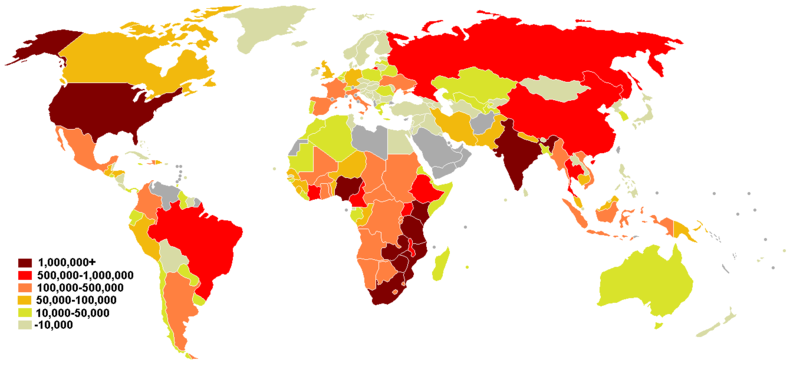
Map showing HIV/AIDS prevalence
At the time of the spread, Kinshasa was filled with migrant workers building a railway network and was an area of booming sex trade. By the 1960s, HIV reached Haiti and was believed to be carried by professional Haitians who worked in the Congo. By the 1980s, HIV was considered a new health condition in the United States. It was in September 1982 that the disease was named AIDS. Initially, the illness was categorised as a gay-related immune deficiency or 'gay cancer', until the same cases occurred among heterosexuals in an outbreak in Haiti.
- In the 1990s, over 2.5 million cases of HIV/AIDS were recorded worldwide. High numbers of cases were recorded in countries that included the United States, Russia, Ukraine, Vietnam, Cambodia and China.
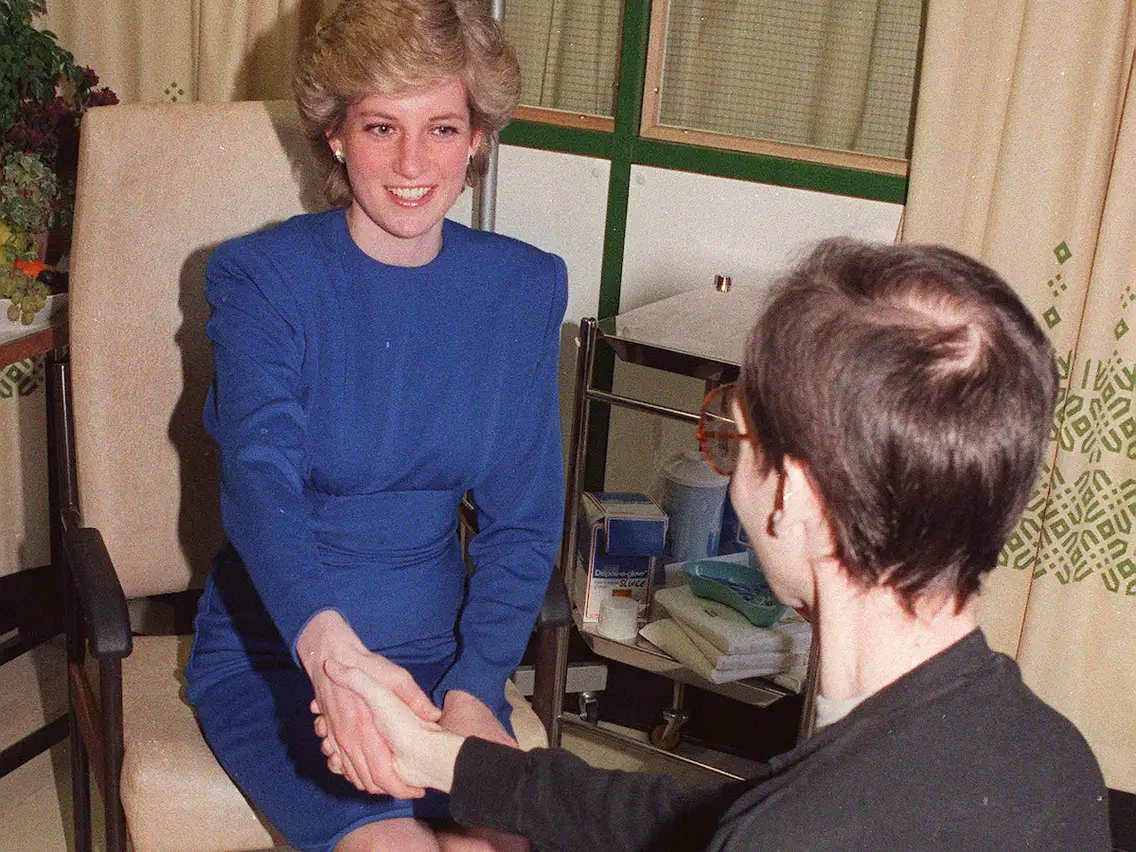
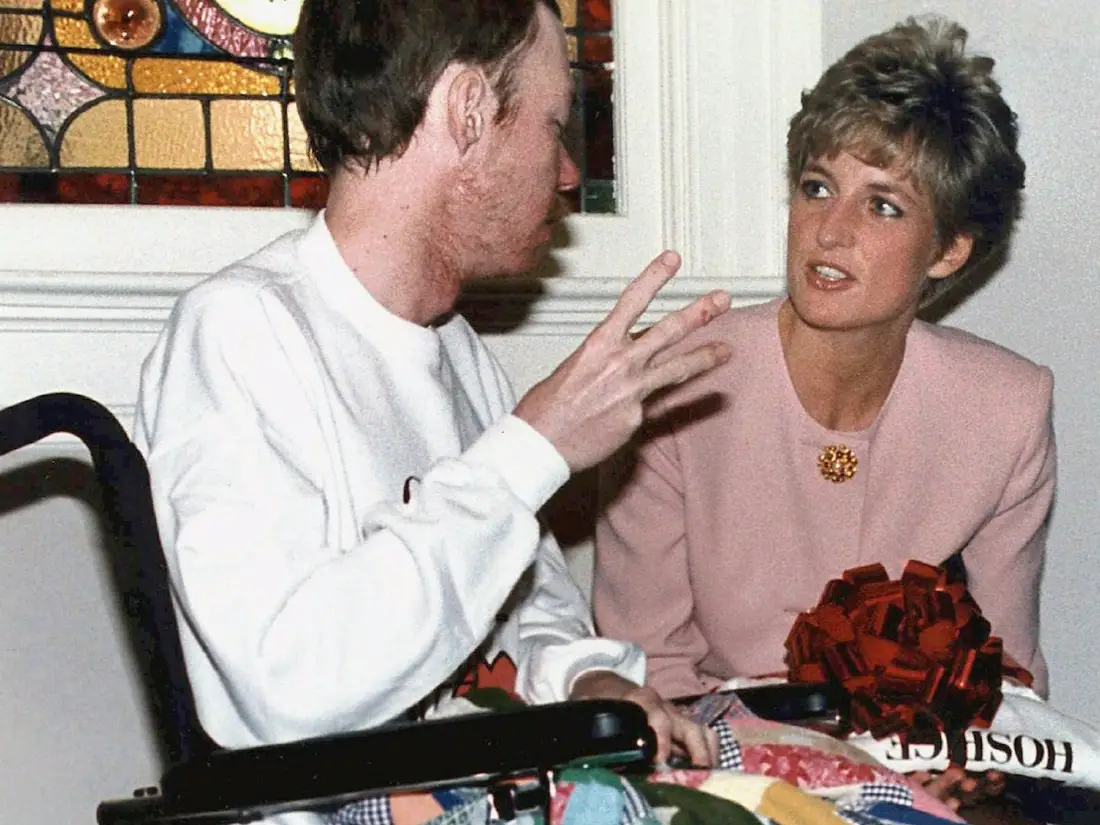
- As of today, HIV could be transmitted from person to person through body fluids, such as blood, semen and pre-seminal fluid, rectal fluids, vaginal fluids and breast milk. To clear up common misconceptions about this condition, HIV/AIDS cannot be not spread by air or water, insect bites, saliva, or physical contact like touching and shaking hands. Princess Diana played a significant role in de-stigmatising touching infected people.
Diana shakes hands with an unidentified AIDS patient on 19 April, 1987:
Princess Diana speaks with an AIDS patient in 1991:
Note
Supplement your reading by watching the National Geographic AIDS 101__.