Anaerobic & Aerobic Exercise (OCR GCSE Physical Education): Revision Notes
📚Revision Notes
Methods To Recover From Exercise
Recovery Process Explanation Sporting
A cool-down is important after vigorous exercise.
Light exercise and stretching help to:
- To keep the breathing/heart rate elevated ensure blood flow to the muscles which helps convert the lactic acid to glucose, carbon dioxide and water to prevent muscle soreness
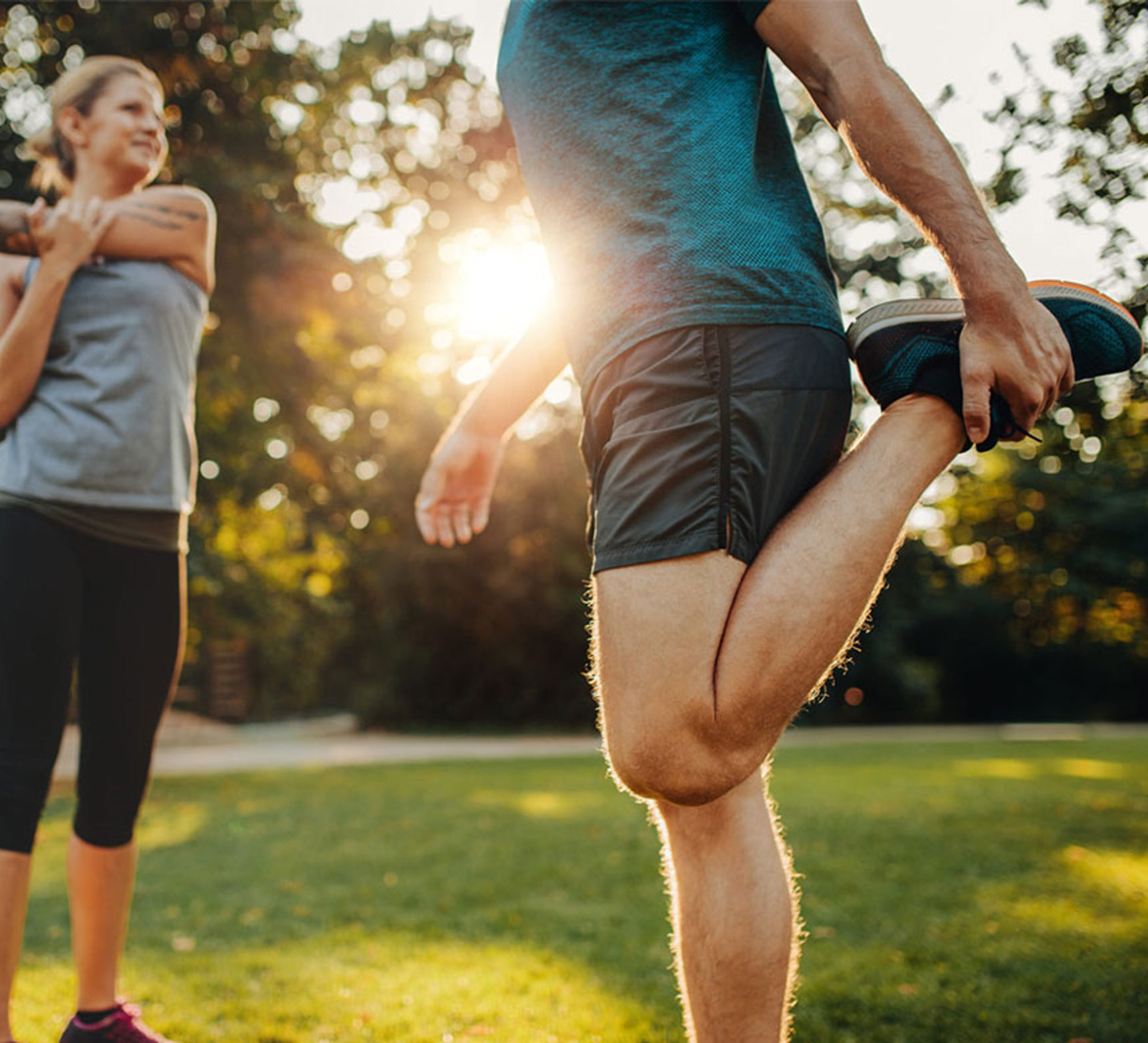
Cool Down
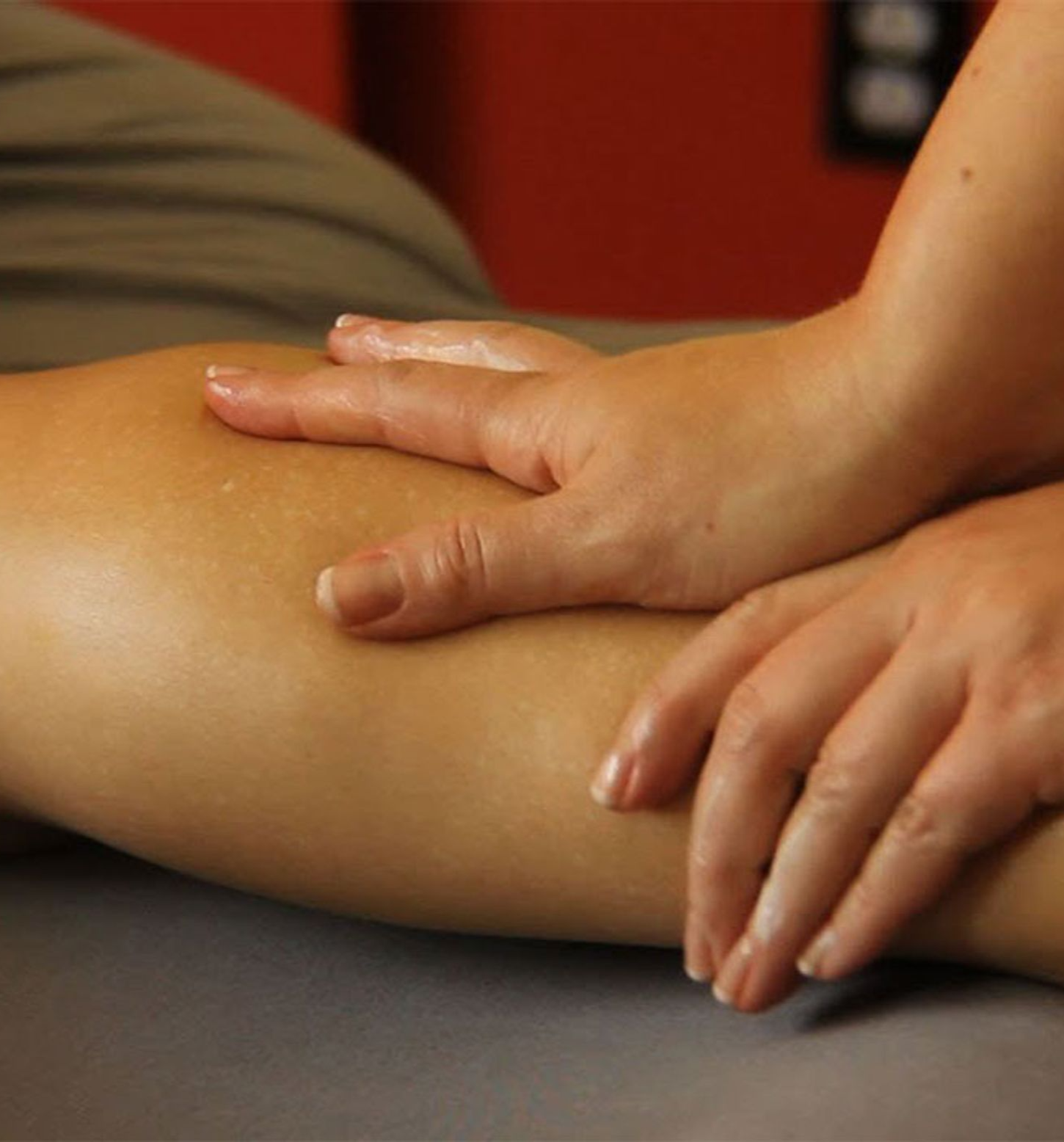
Massage
Massage Explanation
A massage helps the delayed onset of muscular soreness (DOMS). This is when muscle soreness does not happen immediately but one or two days after a period of intense exercise
The massage:
- Reduces inflammation of a tender area
- Increases blood flow, so increases oxygen delivery to the muscles which helps the removal of lactic acid Sporting Example
Games players may use an ice bath after an intense match to help recovery
Ice Baths Explanation
Getting into an ice bath 5 to 10 minutes after intense exercise helps:
- Aid and repair micro-tears in muscle fibres preventing DOMS
- Reduce swelling of an injured area
- When you get out an ice bath the warmer temperature dilates blood vessels which allows oxygenated blood to rush to the muscles removing lactic acid and other waste products Sporting Example
Games players may use an ice bath after an intense match to help recovery
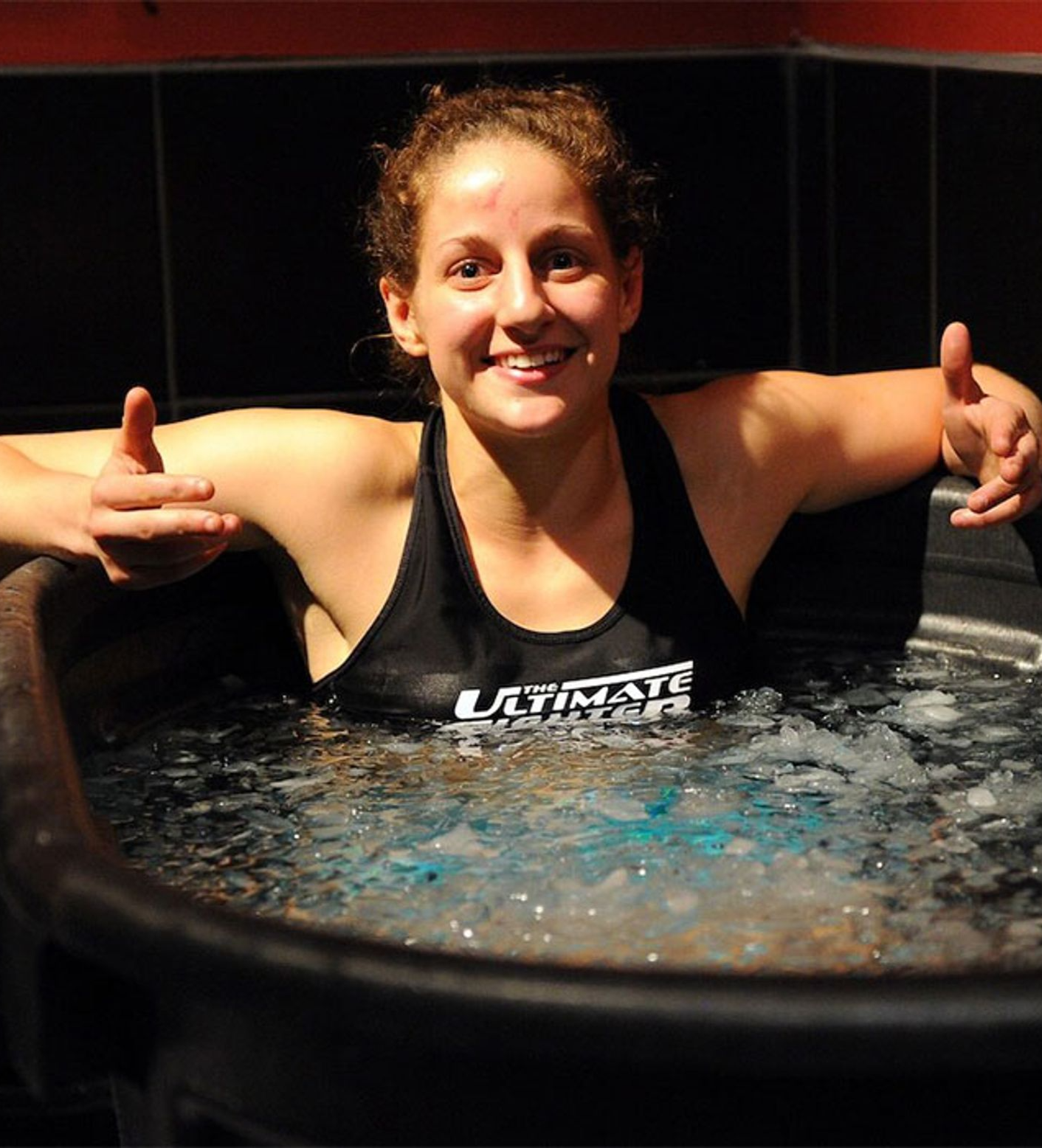
Ice Baths

Diet Carbohydrates and Rehydration
Manipulation of Diet Carbohydrates and Rehydration Explanation
Carbohydrates
Foods high in carbohydrates should be consumed soon after exercise this aims to:
- Replace glycogen stores Rehydration
Water or isotonic drinks should be consumed before during and after vigorous exercise, this helps to:
- Replace fluids that are lost during exercise
- Prevent dizziness and nausea that are symptoms of dehydration Sporting Example
Endurance athletes such as runners any performer who sweats need to rehydrate