Aerobic & Anaerobic Exercise (OCR GCSE Physical Education): Revision Notes
📚Revision Notes
Aerobic & Anaerobic Exercise
Aerobic Exercise:
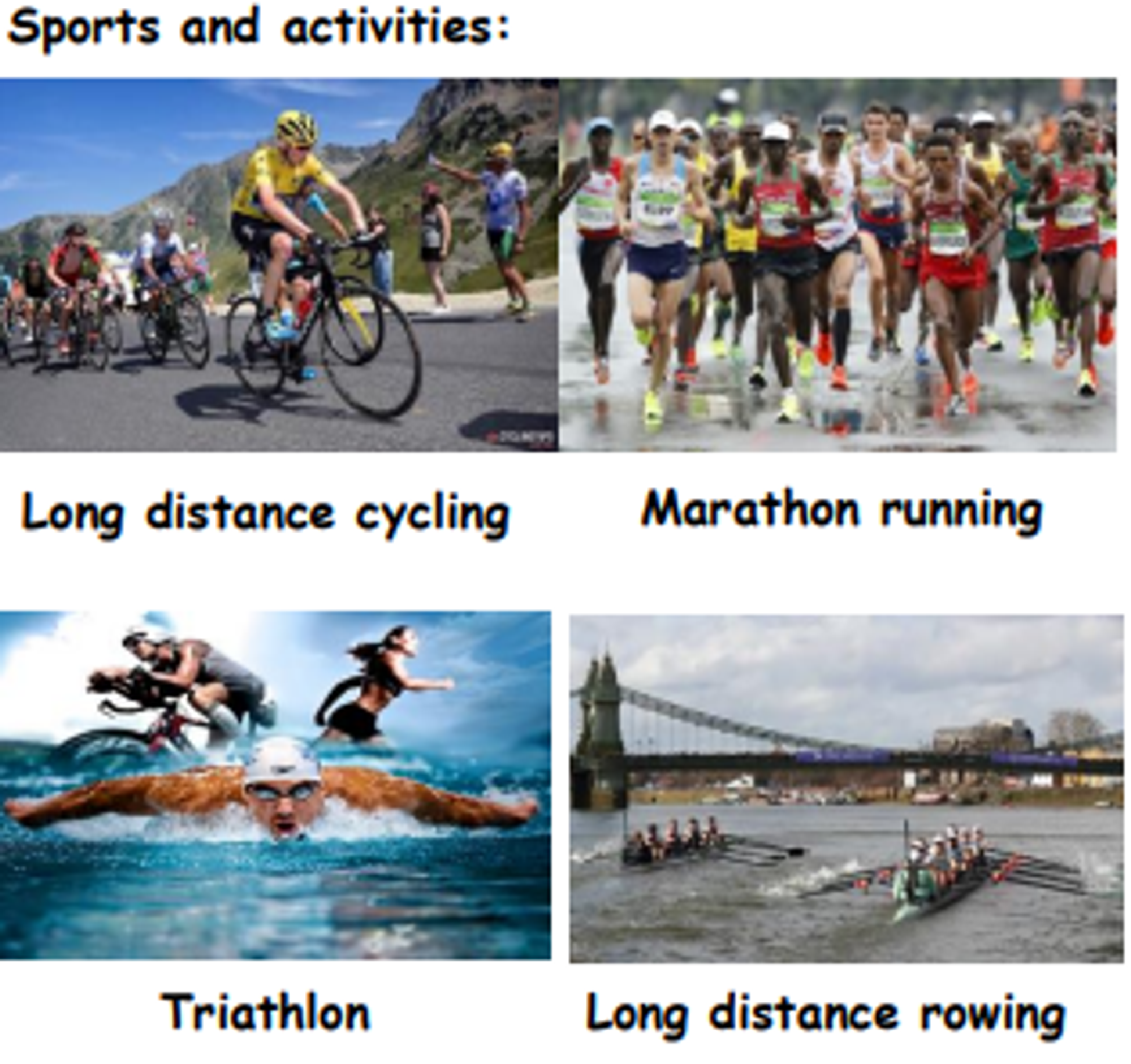
- Uses oxygen for energy production
- Includes activities that are of a long duration
- Includes activities that are of a moderate intensity
- The heart and lungs can supply all the blood and oxygen to the working muscles to produce energy aerobically
Aerobic Equation:
Glucose + O₂ → CO₂ + H₂O + Heat + Energy
- Glucose and oxygen combine to release energy aerobically
- This process produces carbon dioxide, water and heat (and energy)
Anaerobic Exercise:
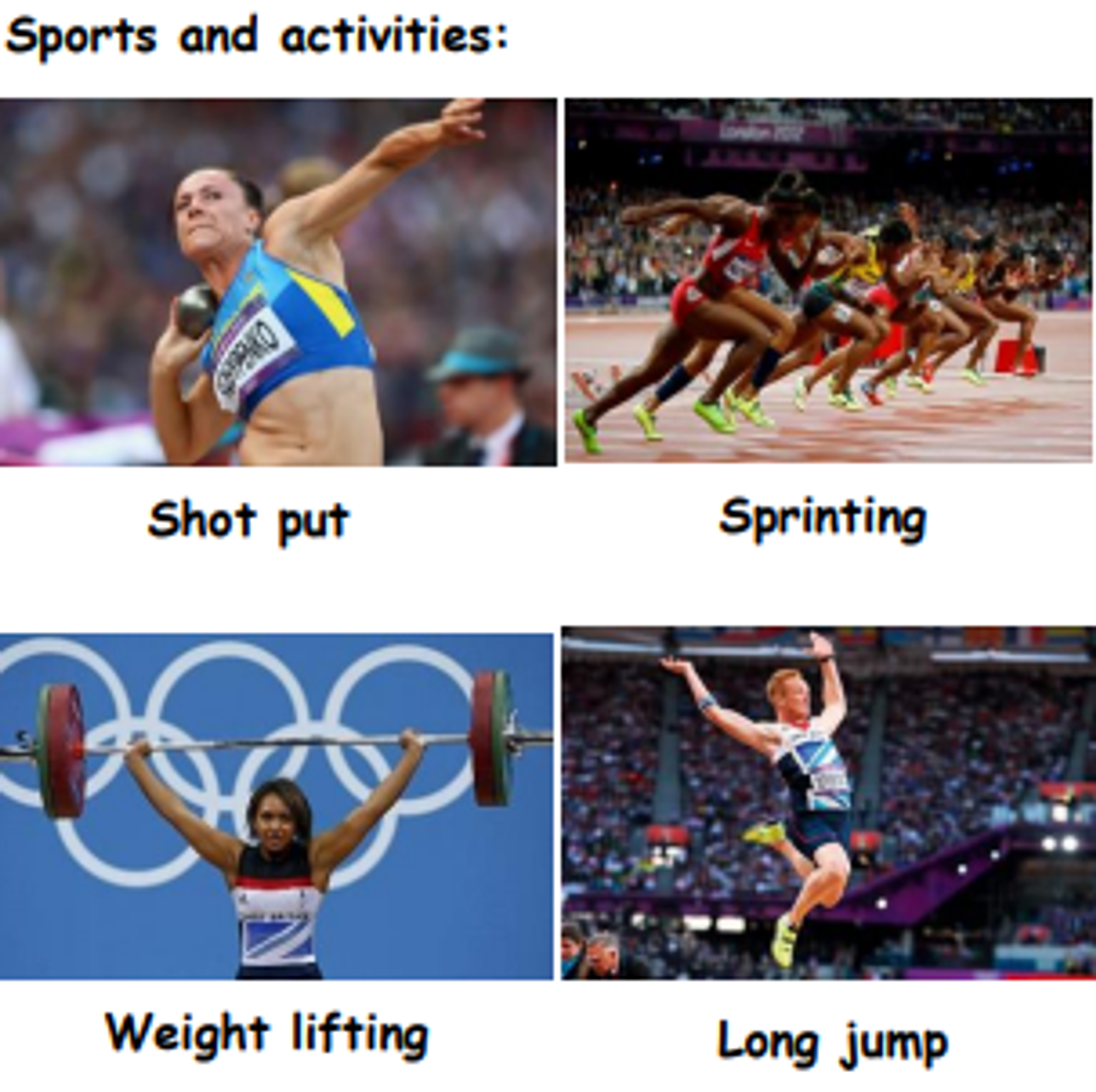
- Does not use oxygen for energy production
- Include activities that are of a short duration
- Includes activities that are of a high intensity
- The heart and lungs cannot supply blood and oxygen to muscles fast enough to use so energy is produced anaerobically
Anaerobic Equation:
Glucose → Lactic Acid + Energy
- This causes muscles to become tired and work less efficient
- Lactic acid is produced as a waste product when carbohydrates are broken down without oxygen during anaerobic respiration