Advertising (Junior Cert Home Economics): Revision Notes
📚Revision Notes
Advertising
Advertising
Advertising is a method of mass communication used to persuade consumers to buy a product or service.
Functions of Advertising (Remember: TIPP)
- Tell people about new products or services.
- Inform consumers about the product (e.g., price, where to buy).
- Persuade consumers to buy it, increasing sales.
- Promote the brand to make it familiar.

Advertising Techniques
| Technique | Description | Example |
|---|---|---|
| Humour | Catches attention through funny images or messages. | (Funny baby ads) |
| Glamorous/Romantic Images | Suggests the product will make you glamorous or bring romance. | (Perfume or fashion ads) |
| Traditional/Wholesome Images | Encourages belief that the product is healthy or good. | (Food or wellness ads) |
| Famous Personalities | Uses celebrities to promote the product, linking success with it. | (Pantene with celebrity) |
| Happy Family Images | Suggests the product cares for families and children. | (Breakfast cereal ads) |
| Statistics | Uses facts, figures, or percentages to show how good the product is. | (Toothpaste ads: "9/10 dentists") |
| Logos and Slogans | Makes brands easy to recognise and remember. | (McDonald's logo and slogan) |
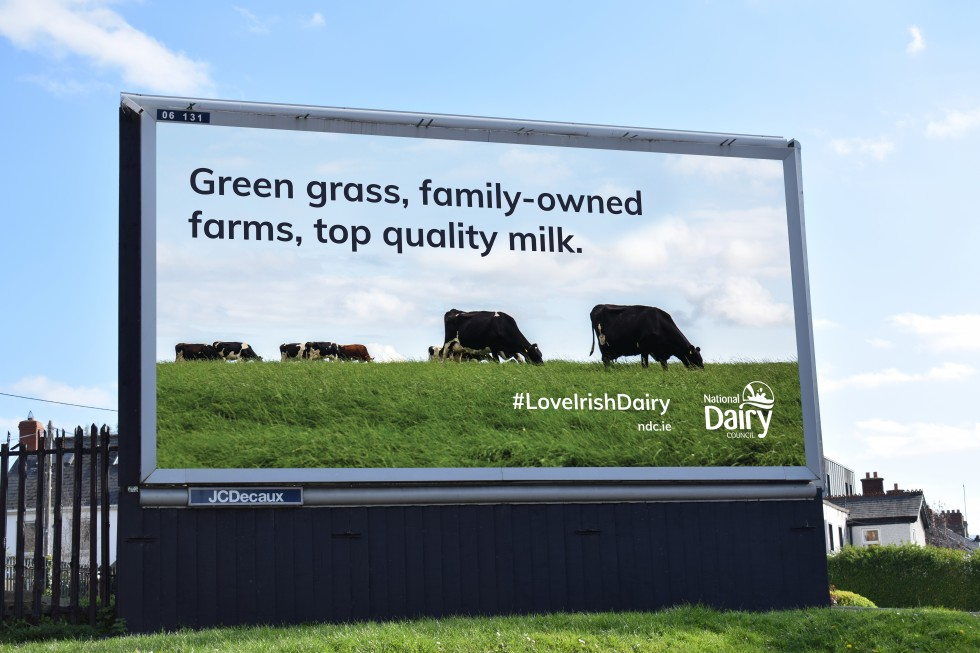
| Patriotism | Encourages support for local or national products. | ("Buy Irish" campaigns) |
Advertising Control
Legal Controls
Under the Consumer Protection Act 2007, it is illegal to make false or misleading claims about goods/services.
- Example: A shop advertising "Open 24 hours" but closing at 11 p.m.
Voluntary Controls
ASAI (Advertising Standards Authority for Ireland):
- Ensures ads are legal, decent, honest, and truthful.
- Consumers can complain if an ad is misleading.
- ASAI investigates complaints and publishes results.