Genetics and Epigenetics (Leaving Cert Biology): Revision Notes
📚Revision Notes
Genetics and Epigenetics
What are genetics and epigenetics?
Genetics is the study of heredity - how traits and characteristics are passed down from parents to their offspring through genes. Think of it as the instruction manual written in your DNA that determines many of your physical features and biological processes.
Epigenetics is the study of how your behaviour, diet, exercise, and environment can cause changes that affect the way your genes work. Unlike genetic changes, epigenetic changes are reversible and do not actually change your DNA sequence - they just change whether genes are switched on or off.
Note
The key difference: Genetics deals with permanent DNA changes, while epigenetics involves temporary switching of genes without altering the DNA sequence itself.
Understanding genes and genomes
The genome is the complete set of all genetic material in an organism. In humans, this includes all the genes found along our chromosomes, plus all the non-coding genetic sequences.
Genomics is the scientific study of the entire genome. The Human Genome Project was a massive international research effort that mapped out the sequence of all human chromosomes, beginning in 1990 and largely completed by 2003.
Important
The Human Genome Project was one of the most significant scientific achievements of the 20th century, taking 13 years to complete and involving thousands of scientists worldwide. It provided the foundation for modern genetic medicine and research.
A gene is a specific section of DNA that contains the instructions for producing a particular protein. Genes are also the basic units of inheritance, meaning they can be passed from parents to children.
How genes are inherited
Most DNA in a cell is found in the nucleus. This nuclear DNA is inherited equally from both parents - you receive half from your father and half from your mother. In plants, DNA is passed through sperm (in pollen) and eggs, whilst in animals it passes through sperm and egg cells.
Note
This equal inheritance from both parents is why you might have your mother's eyes but your father's nose - you're getting genetic instructions from both sides of your family.
Key differences between genetics and epigenetics
The fundamental differences between genetic and epigenetic inheritance can be summarised as:
Summary
Genetic vs Epigenetic Changes:
Genetic changes:
- Involve actual changes to the DNA sequence
- Are generally stable and rarely change
- Are not usually influenced by environment or behaviour
- Are typically irreversible
Epigenetic changes:
- Do not change the DNA sequence itself
- Involve switching genes on or off
- Can change due to environmental factors or behaviour
- Are often reversible
How epigenetics works
Epigenetics affects gene expression through several mechanisms, with two main processes being particularly important:
Example
Two Main Epigenetic Mechanisms:
Methylation occurs when a chemical group (, called a methyl group) attaches to DNA and prevents a gene from working. This methyl group can later be removed to allow the gene to function again.
Histone modification happens when DNA becomes too tightly wrapped around its associated proteins (called histones). When this occurs, the gene is effectively turned off because it cannot be accessed.
Environmental factors affecting gene expression
Many environmental and lifestyle factors can influence how your genes work. These epigenetic factors include:
- Environment - exposure to different climates and surroundings
- Diet - the foods you eat and nutritional intake
- Disease - infections and illnesses
- Drugs - medications and substances
- Climate - temperature and weather conditions
- Microbiome - the bacteria living in and on your body
- Social wellbeing - relationships and social interactions
- Exercise - physical activity levels
- Chemicals - exposure to various chemical compounds
All of these factors can influence whether genes are switched on or off, demonstrating how our lifestyle choices can literally change how our genes function.
Note
This is why identical twins, who have exactly the same DNA, can develop different health conditions or physical characteristics over time - their environments and lifestyle choices create different epigenetic patterns.
Epigenetic changes throughout life
Epigenetic factors can change naturally during your lifetime or in response to external influences. Here are some key examples:
Example
Natural Changes at Puberty:
Many sex hormones are not produced in early childhood, but epigenetic changes at puberty switch on the genes responsible for hormone production. This allows these hormones to be produced when needed later in life.
Example
Cell-Specific Gene Expression:
All cells in your body contain the same genes, but they don't all function identically. For instance, the gene for nail growth is switched off by epigenetic factors in most body cells, but remains active at fingertips and toes where nail growth occurs.
Example
Lifestyle Impact - Smoking:
Factors like smoking can affect epigenetic mechanisms. Smoking may remove methyl groups from genes that control cell division, potentially leading to uncontrolled cell division and cancer. However, if someone stops smoking, these genes can be switched back on through epigenetic processes.
Health implications of epigenetics
Epigenetics can significantly impact human health in various ways:
Important
Critical Health Connections:
Immune system effects: Some microorganisms can affect our DNA and switch off immunity genes. For example, certain bacteria can epigenetically turn off immune response genes, making us more susceptible to infections.
Cancer development: The presence of epigenetic groups in cancer-preventing genes, or their absence in cancer-causing genes, can both contribute to increased cancer risk.
Real-world example of epigenetic inheritance
Example
Himalayan Rabbit Demonstration:
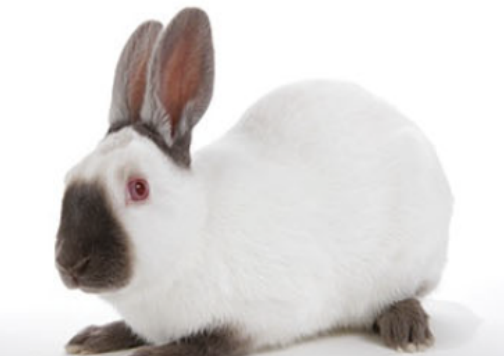
The Himalayan rabbit provides an excellent example of epigenetic inheritance in nature. These rabbits have a special marker that prevents pigment formation in warmer parts of their body, resulting in white fur on their main body but darker fur on cooler extremities like ears, nose, and feet.
Historical examples also demonstrate epigenetic inheritance. During the Dutch Hunger Winter of 1944/45, studies showed that people born to mothers experiencing famine had different patterns of epigenetics compared to relatives not born during famine times. Many babies born to Dutch mothers during this period passed their epigenetic changes to their children and even grandchildren.
Note
This Dutch Hunger Winter study was groundbreaking because it showed that epigenetic changes could be inherited across generations - something that was previously thought impossible.
Understanding genetic crosses and species
A species is defined as a group of similar organisms that can naturally interbreed with each other to produce fertile offspring. Members of the same species can reproduce and create viable offspring.
Different species typically cannot interbreed successfully. For example, cats cannot breed with dogs because they are different species. However, some closely related species can produce offspring, though these are usually infertile (like mules, which result from crossing horses and donkeys).
Sexual reproduction and inheritance

Sexual reproduction involves the union of two specialised sex cells called gametes. In humans:
- Normal body cells contain 46 chromosomes
- Male gametes (sperm) contain 23 chromosomes
- Female gametes (eggs) contain 23 chromosomes
- During fertilisation, sperm and egg unite to form a zygote with 46 chromosomes
- This process restores the normal chromosome number per cell
The chromosomes in gametes carry the genetic material responsible for inherited traits, ensuring that offspring receive genetic information from both parents.
Note
This reduction from 46 to 23 chromosomes in gametes is crucial - it ensures that when fertilisation occurs, the resulting offspring has the correct number of chromosomes rather than double the amount.
Summary
Key Points to Remember:
- Genetics involves actual DNA changes that are usually permanent, while epigenetics involves switching genes on/off without changing DNA sequence
- Environmental factors like diet, exercise, and lifestyle can influence how your genes work through epigenetic mechanisms
- Methylation and histone modification are the two main ways epigenetics controls gene expression
- Epigenetic changes are reversible - meaning lifestyle changes can potentially switch genes back on or off
- Sexual reproduction combines genetic material from both parents, with fertilisation restoring the full chromosome number in offspring