Evolution (Leaving Cert Biology): Revision Notes
📚Revision Notes
Evolution
Note
Evolution is the genetic change that occurs in organisms over a long period of time.
- The most widely accepted theory of evolution is the theory natural selection, proposed by Charles Darwin in 1858.
- Alfred Russell Wallace had similar ideas at the same time, prompting Darwin to publish their joint theory.
The theory can be summed up by 3 observations and 2 deductions:
-
Observation 1: Organisms produce large numbers of offspring.
-
Observation 2: Population numbers grow until resources (food, space, etc.) become insufficient to sustain further growth. The environment can only support a limited number of organisms.
-
Observation 3: There are genetic variations amongst the members of a population. These variations arise from sexual reproduction and mutations.
-
Deduction 1: There is a struggle for existence. This struggle is called competition. Animals compete for space, food, water and mates. Plants compete for light, space, water and minerals.'
-
Deduction 2: Natural selection or survival of the fittest. Animals that are best suited for their environment survive and live on. If they reproduce, they will pass on their genes to their offspring. Those that are not well adapted will die out.
Note
Summary of the Theory of Natural Selection: Charles Darwin and Alfred Russel Wallace
Observations:
-
Organisms produce large numbers of offspring.
-
The environment has limited resources.
-
Genetic variations exist within a population due to sexual reproduction and mutations. Deductions:
-
Struggle for existence: with limited resources, organisms must compete to survive.
-
Survival of the fittest (natural selection): well-adapted organisms survive and reproduce, passing on their genes, while less adapted ones die out.
Evidence for Evolution
The main sources of evidence for evolution include:
- Fossil studies (palaeontology)
- Comparative adaptations or anatomy
- The study of embryos
- Genetic evidence For the Leaving Cert, you need to study one source of evidence in detail.
Fossil Evidence
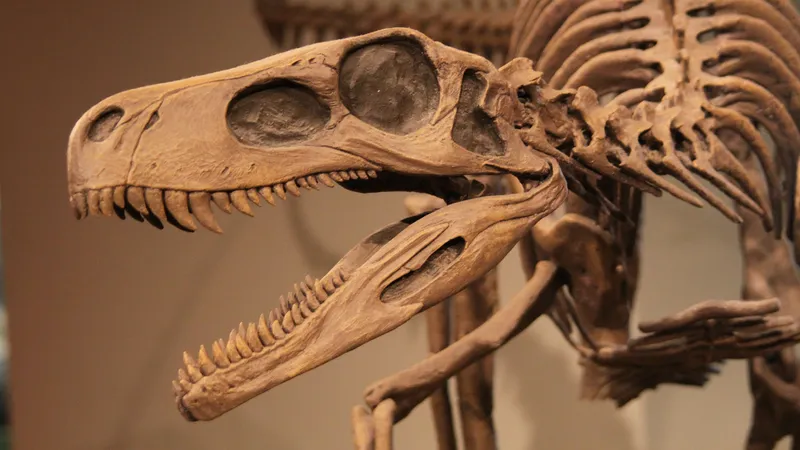
A fossil is the preserved remains or impression of an organism that lived long ago. Examples of fossils include:
- Entire organisms preserved in ice, bogs, or amber.
- Bones, teeth, seeds, footprints, and leaf prints.
How do Fossils Support Evolution?
- They can be dated, which allows them to be related to time.
- Some species found as fossils are no longer alive (e.g., dinosaurs are extinct).
- Some modern species have no fossil remains.
- Modern organisms are more complex than their fossil predecessors, showing gradual change over time.
- Changes in the fossil record often correspond to environmental changes.