Literary Techniques (Leaving Cert Classical Studies): Revision Notes
📚Revision Notes
Literary Techniques
Sophocles masterfully employs a range of sophisticated literary devices throughout Antigone to create dramatic tension, explore moral conflicts, and engage his audience emotionally. Understanding these techniques will help you analyse how the playwright constructs meaning and develops the central themes of the play.
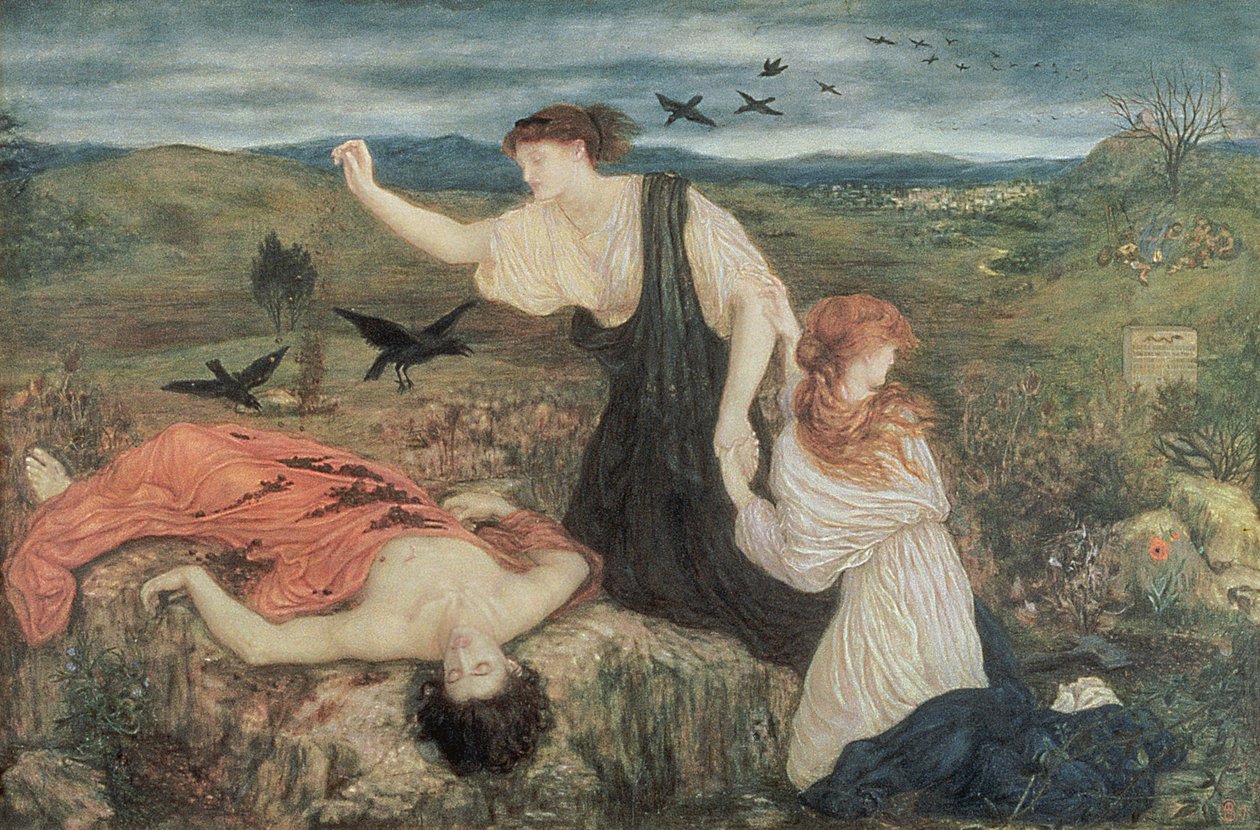
Dramatic irony
Dramatic irony occurs when the audience possesses knowledge that the characters on stage lack, creating tension and deeper meaning. Sophocles uses this technique brilliantly throughout Antigone to highlight the tragic nature of the unfolding events.
The audience understands that burial represents a sacred religious duty, yet Creon prohibits it, inevitably setting up a conflict between divine and human law. We also know about the curse hanging over Oedipus' family, while the characters desperately hope they can escape this fate. This irony builds mounting tension as Antigone courageously embraces death for her principles, whilst Creon only realises far too late that the gods oppose his actions.
Example
Key Examples of Dramatic Irony:
Antigone's defiant statement: "It was not Zeus who made this law" - The audience knows she speaks divine truth, while Creon sees only rebellion.
The Chorus' warning: "Pride breeds the tyrant" - We recognise this as prophecy, though Creon dismisses it as mere moralising.
Use of the chorus
The Chorus of Theban elders serves multiple crucial functions in the play, acting as the voice of the community whilst providing moral commentary on the unfolding action. These citizens often waver in their loyalties between Creon and Antigone, reflecting how ordinary people struggle with complex moral dilemmas.
The Chorus reinforces the play's major themes of hubris, fate, and reverence for the gods through their reflective songs and commentary. Their most famous contribution is the "Ode to Man," which celebrates human achievements whilst simultaneously warning of humanity's limitations.
Note
The Chorus serves as a bridge between the audience and the dramatic action, helping viewers process the moral complexity of the conflict. Their shifting loyalties mirror how real communities might respond to such divisive situations.
Important choral quotes include: "Wonders are many, but none more wonderful than man" and the crucial reminder that "Wisdom is the supreme part of happiness, and reverence towards the gods must be inviolate."
Rhetoric and debate
The heart of Antigone lies in its powerful persuasive speeches, where characters present compelling arguments for their opposing viewpoints. This rhetorical structure allows Sophocles to explore the central moral conflict in depth.
Each major character employs different rhetorical strategies: Antigone argues passionately for divine law and family duty; Creon insists firmly on civic obedience and state authority; Haemon appeals rationally to reason and moderation; and Tiresias delivers divine warnings with prophetic authority. These contrasting speaking styles effectively highlight the moral conflict at the play's centre.
Important
The rhetorical battles in Antigone are not merely dramatic devices - they represent fundamental philosophical conflicts that remain relevant today. Each character's arguments have merit, making the tragedy more complex and morally ambiguous.
Significant rhetorical moments include Creon's assertion that "The city is the king's – that is the law" and Haemon's plea for flexibility: "Do not be unbending; change your mind."
Imagery and symbolism
Sophocles employs rich symbolic imagery throughout the play to reinforce its major themes and create emotional resonance with the audience.
Burial symbolises piety, family loyalty, and divine order - fundamental values that Antigone champions. The tomb serves as a powerful dual symbol, representing both a prison and a bridal chamber for Antigone, embodying the concept of death-in-life that pervades the tragedy.
Note
The symbolic richness of Antigone operates on multiple levels. The tomb as both prison and bridal chamber creates a haunting paradox - Antigone's marriage to death becomes her most defiant act of life.
Light and darkness imagery runs throughout the play, with Antigone describing her fate as going to "wed the lord of shadows." Additionally, Tiresias uses vivid animal and disease imagery to describe divine anger, as when he warns that "The altars are glutted with carrion."
Stichomythia (rapid dialogue)
Stichomythia refers to the rapid line-by-line exchanges between characters that intensify dramatic conflict. These sharp, quick-fire dialogues create immediate dramatic tension and reveal character relationships under pressure.
Sophocles employs this technique particularly effectively during Antigone's confrontation with Creon and later during Creon's heated argument with Haemon. These rapid exchanges highlight the characters' anger, stubbornness, and fundamental inability to compromise on their core beliefs.
Example
Stichomythia in Action:
The technique reaches its peak when Antigone and Creon trade accusations over the burial, with each line building intensity:
- Sharp, clipped responses reveal mounting anger
- Neither character yields ground to the other
- The rapid pace mirrors escalating emotional tension
- Each exchange drives the conflict towards its inevitable climax
Prophecy and foreshadowing
Prophetic warnings and foreshadowing build dramatic tension whilst demonstrating the power of divine will in the play. Tiresias serves as the primary prophetic voice, warning Creon that the gods demand Polyneices' burial and foreshadowing disaster if the king refuses to relent.
Haemon's prediction that Antigone's death will cause his own proves tragically accurate, fulfilled in the play's devastating conclusion. This prophetic structure emphasises how fate operates through human choices and divine justice.
Example
Key Prophetic Moments:
Tiresias' ominous warning: "You stand on the edge of fate" - foretells Creon's impending downfall
Haemon's tragic prediction: "Her death will cause another" - becomes literally fulfilled through his suicide
Structure and absence of deus ex machina
Unlike many Greek tragedies such as Medea or Philoctetes, no god intervenes at the end of Antigone to resolve the conflict. This structural choice is significant because it means the catastrophe unfolds naturally from human pride colliding with divine justice.
This absence of divine intervention heightens the moral weight of the play's events, as Creon bears full responsibility for his downfall. The tragedy becomes more psychologically realistic and morally complex when humans must face the consequences of their choices without divine rescue.
Important
The absence of deus ex machina (divine intervention) in Antigone makes it uniquely modern among Greek tragedies. Characters cannot escape responsibility for their choices - a structure that emphasises human agency and moral accountability.
Pathos (emotional appeal)
Pathos refers to the playwright's use of emotional appeals to evoke pity, fear, and sympathy from the audience. Sophocles masterfully builds emotional intensity throughout Antigone to achieve catharsis.
Antigone's heartbreaking laments about her fate evoke deep pity for her tragic situation. Haemon's suicide and Eurydice's curse upon Creon deepen the audience's sorrow and horror. These emotional appeals build towards catharsis - the purification of emotions through experiencing pity and fear, helping the audience recognise the fragility of human happiness.
The play's emotional climax comes with Creon's broken realisation: "I am nothing. I have lost everything."
Exam strategies
When analysing literary techniques in Antigone, always connect them directly to the play's central themes. For example, dramatic irony reinforces the conflict between divine and human law; rhetoric highlights moral conflict; prophecy emphasises the power of fate.
Important
Essential Exam Tips:
Use precise tragic terminology in your answers: stichomythia, ode, hubris, anagnorisis, catharsis. These technical terms demonstrate your understanding of Greek dramatic conventions.
Short, well-chosen quotes will anchor your analysis effectively. Remember key examples like Antigone's "It was not Zeus who made this law," Creon's "The city is the king's," and the Chorus' "Wisdom is the supreme part of happiness."
Compare Antigone with other Greek tragedies to show deeper understanding. Unlike Medea (which uses deus ex machina) or Trojan Women (which focuses on lament), Antigone balances rhetoric, prophecy, and tragic irony to explore the conflict between divine and civic law.
Summary
Key Points to Remember:
- Dramatic irony creates tension through the audience's superior knowledge of fate and divine will
- The Chorus provides moral commentary whilst representing community perspectives on the conflict
- Rhetoric and debate structure allows detailed exploration of opposing moral arguments
- Symbolic imagery (burial, tomb, light/darkness) reinforces the play's central themes
- Stichomythia intensifies conflict through rapid dialogue exchanges that reveal character stubbornness
- The absence of deus ex machina emphasises human responsibility and moral consequences
- Pathos builds towards catharsis through emotional appeals that purify the audience's emotions
- Prophecy and foreshadowing demonstrate divine will operating through human choices