Understand the Iron Carbon Diagram (Leaving Cert Engineering): Revision Notes
📚Revision Notes
Understanding the Iron Carbon Diagram
What is steel
Steel is the most important and widely used metal in modern engineering. Steel is an alloy created by combining iron with carbon to produce materials with vastly different properties.
Pure iron is naturally soft and ductile, whilst carbon is extremely hard and brittle. When these contrasting materials are combined, engineers can create a variety of steel-based materials with different characteristics. The amount of carbon determines the final properties - soft ductile steel for car door panels requires less carbon, whilst harder steel for tools like scribers needs more carbon content.
Note
The relationship between carbon content and steel properties is fundamental to understanding material selection in engineering applications. Small changes in carbon percentage can dramatically alter the final material characteristics.
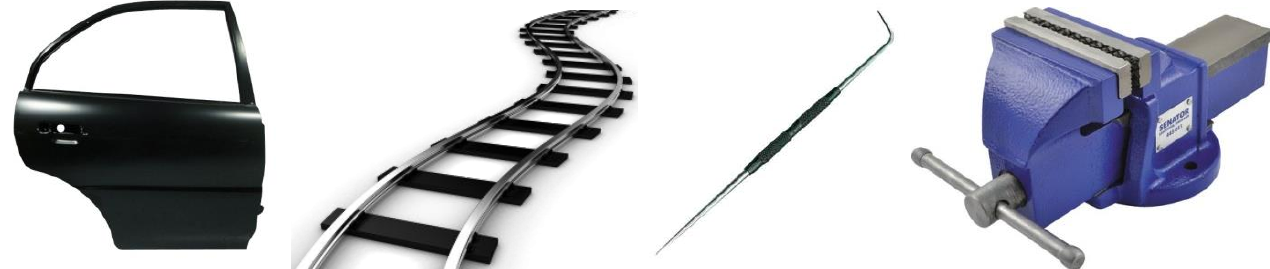
The carbon content in steel is typically no more than 3%. Engineers have developed heat treatments that can dramatically alter steel's properties, making it harder, softer or tougher as required. Understanding steel properties requires knowledge of its atomic and crystal structure.
Parts of the iron carbon diagram
The iron-carbon diagram initially appears complex, but it contains only four main components that determine steel's properties. These are ferrite, austenite, cementite and pearlite.
Ferrite
Ferrite is an iron-rich material with carbon dissolved within its grain structure. Think of ferrite like a cup of tea with sugar stirred in - the sugar dissolves within the tea, creating a new solution where the sugar cannot be distinguished from the tea.
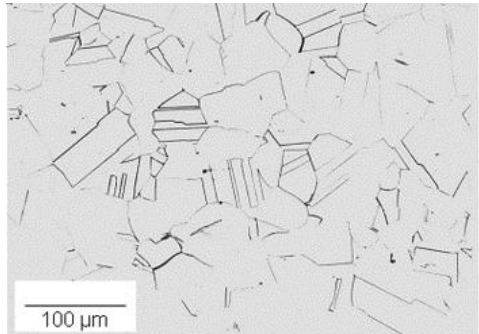
Ferrite has a BCC (Body Centred Cubic) crystal structure and occurs below temperatures of 910°C. Due to its small carbon concentration, ferrite is naturally soft and ductile. However, there is a limit to how much carbon ferrite can hold, similar to how there's a limit to how many spoonfuls of sugar can dissolve in tea.
Note
Crystal Structure Significance
The BCC structure of ferrite has larger gaps between iron atoms compared to other crystal structures, which limits how much carbon can be dissolved within the lattice. This structural limitation directly influences ferrite's mechanical properties.
Austenite
Austenite is remarkably similar to ferrite - it's also an iron-rich material with carbon dissolved within its grains. The key difference lies in the atomic lattice structure.
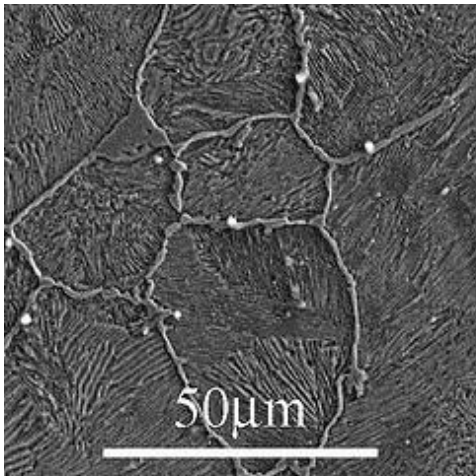
Austenite has an FCC (Face Centred Cubic) structure and only occurs at elevated temperatures above 910°C. Due to its elevated temperature, austenite can hold more carbon within its grain structure than ferrite, but remains relatively soft and ductile.
Cementite
Cementite is the exact opposite of ferrite and austenite. Cementite is carbon-rich with iron dissolved within its grain structure.
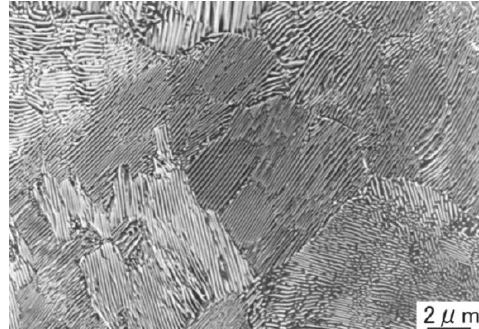
Consider a sugar cube absorbing tea - the sugar cube absorbs the tea into its structure. Cementite works similarly, but with carbon and iron. Due to its high carbon concentration, cementite is incredibly hard and brittle. By itself, cementite has little engineering use as it's too hard and brittle for most applications.
Important
Cementite Limitations
Pure cementite is extremely hard (approaching the hardness of some ceramics) but also extremely brittle. This makes it unsuitable for most engineering applications when used alone, which is why it's typically found combined with other phases in steel alloys.
Pearlite
Pearlite is a unique phenomenon that occurs in some steels during cooling. Pearlite is a mixture of alternating layers of ferrite and cementite within the material's granular structure.
The soft and ductile properties of ferrite combine with the hard and brittle properties of cementite. This creates a material with significant toughness - an important engineering property that combines strength with the ability to absorb energy without fracturing.
Note
The Beauty of Pearlite
Pearlite gets its name from its appearance under a microscope - the alternating layers of ferrite and cementite create a pearl-like appearance. This layered structure is what gives pearlite its unique combination of strength and toughness.
The iron-carbon phase diagram
The iron-carbon phase diagram shows the relationship between temperature and carbon content in steel alloys. This diagram is essential for understanding how different steel compositions behave at various temperatures.
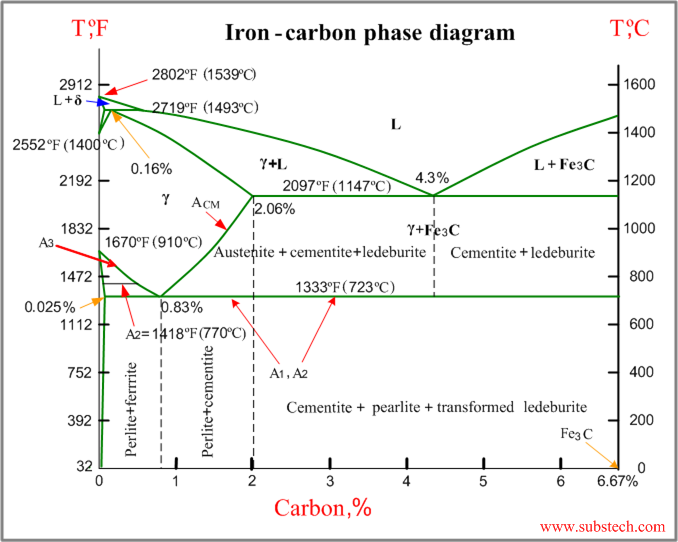
The diagram features several critical regions:
- Liquid phase - where steel exists as molten metal
- Austenite region - high temperature iron-rich phase
- Ferrite region - low temperature iron-rich phase
- Cementite region - carbon-rich phase
- Mixed regions - where multiple phases coexist
Critical points
Two critical points are essential for understanding steel behaviour:
Eutectoid point - occurs at approximately 0.8% carbon content and 720°C. At this point, austenite transforms into a mixture of ferrite and cementite (pearlite).
Eutectic point - occurs at approximately 4.3% carbon content and 1100°C. This represents the lowest melting point for iron-carbon alloys.
Important
Critical Temperature Significance
The eutectoid point at 720°C and 0.8% carbon is fundamental to steel heat treatment. Understanding this critical point allows engineers to predict and control the microstructure that will form during cooling, directly influencing the final mechanical properties.
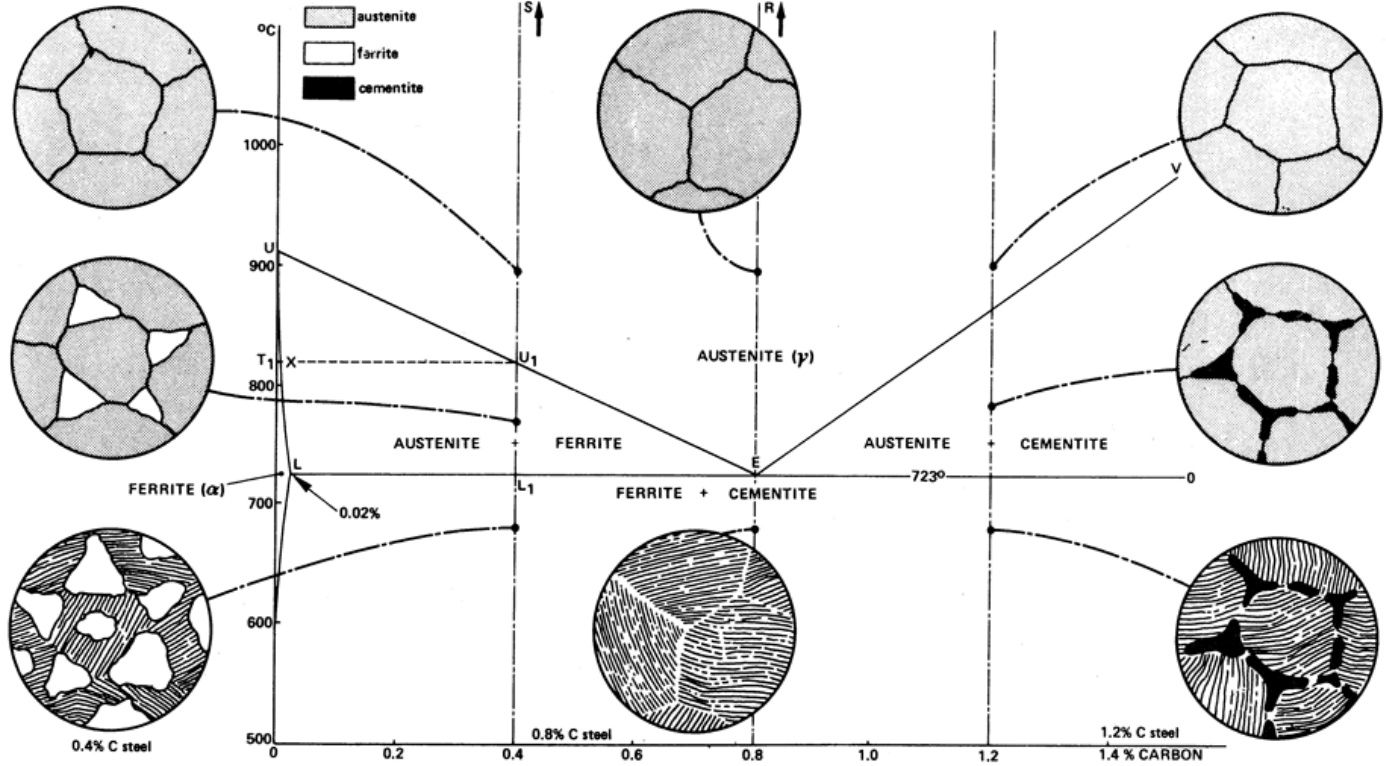
The diagram shows how steel microstructures change with different carbon contents. Low carbon steels (below 0.8%) contain primarily ferrite with some pearlite. High carbon steels (above 0.8%) contain primarily pearlite with some cementite.
Summary
Summary
Key Points to Remember:
- Steel is an iron-carbon alloy with properties determined by carbon content
- Ferrite is soft, ductile, and iron-rich with BCC structure (below 910°C)
- Austenite is soft, ductile, and iron-rich with FCC structure (above 910°C)
- Cementite is hard, brittle, and carbon-rich
- Pearlite combines ferrite and cementite layers for toughness
- The eutectoid point (0.8% carbon, 720°C) is critical for steel heat treatment