Choosing Materials (Leaving Cert Engineering): Revision Notes
📚Revision Notes
Choosing Materials
What is materials selection?
Materials selection is the process of choosing the most appropriate material to meet the specific requirements of a particular application. This systematic approach considers multiple factors including design requirements, manufacturing processes, and material properties to ensure optimal performance.
The selection process involves evaluating materials based on their chemical, electrical, physical, and mechanical properties, alongside practical considerations such as cost and availability. Engineers must balance these various factors to find the most suitable solution for each specific application.
Note
Materials engineers work collaboratively with manufacturing engineers, designers, purchasing experts, and even customers or suppliers. This teamwork ensures that both material properties and process requirements align with the needs of the final application.
Key factors in materials selection
When selecting materials for engineering projects, several critical criteria must be evaluated to ensure optimal performance and suitability. The key function of materials selection is to balance performance requirements with practical constraints.
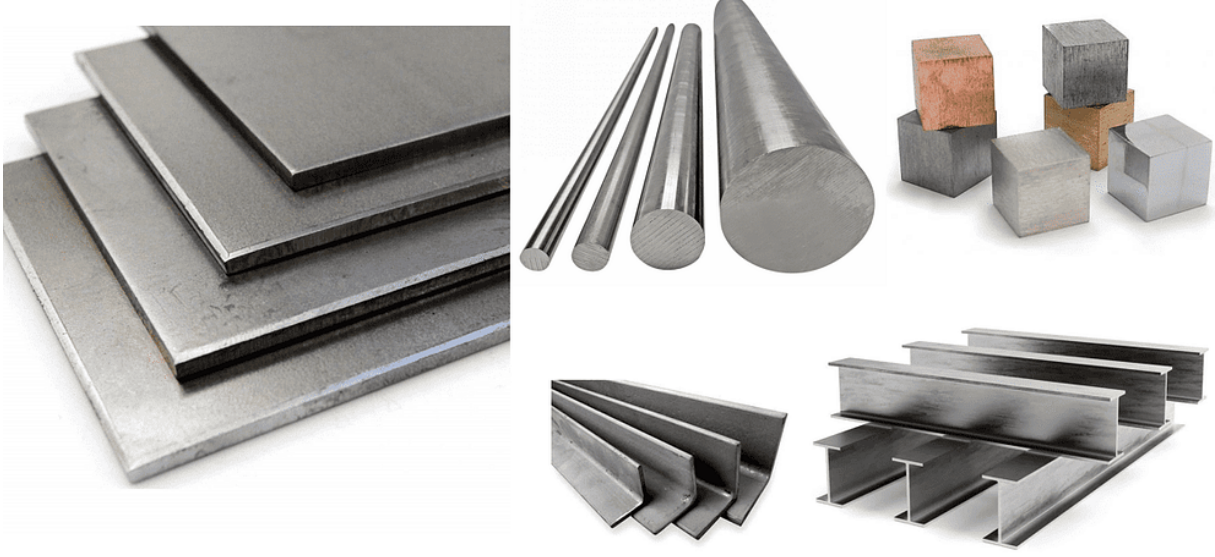
Material properties
Mechanical properties determine how materials respond to applied forces and stresses. These include:
- Ductility - the ability to deform without breaking
- Strength - resistance to applied loads
- Hardness - resistance to surface deformation
- Toughness - ability to absorb energy before fracturing
- Stiffness - resistance to elastic deformation
Physical properties describe how materials interact with their environment:
- Electrical resistance - opposition to electric current flow
- Density - mass per unit volume
- Thermal conductivity - ability to conduct heat
Chemical properties show how materials react with their surroundings:
- Corrosion resistance - ability to withstand chemical degradation
- Reactivity - tendency to undergo chemical reactions
Note
Understanding the interplay between these different property categories is essential for successful materials selection. A material may excel in one area but be inadequate in another, requiring careful evaluation of priorities.
Practical considerations
Cost plays a crucial role in materials selection. Some applications require expensive, high-performance materials, while others can use more economical options without compromising functionality.
Availability affects both cost and project timelines. Rare materials may be expensive and difficult to source, potentially causing delays or supply chain issues.
Sustainability has become increasingly important. Engineers must consider environmental impact, including material life expectancy and ease of recycling at the end of the product's life cycle.
Important
Cost considerations must always be balanced against performance requirements. The cheapest material is not always the most economical choice if it leads to premature failure or increased maintenance costs.
The materials selection process
The systematic approach to materials selection can be broken down into five distinct stages, each building upon the previous step to ensure thorough evaluation. This essential methodology ensures consistent and reliable material choices.
Stage 1: Define requirements
The first stage involves identifying all the specific needs of the application. This includes determining operating conditions such as:
- Temperature ranges
- Pressure requirements
- Corrosion exposure
- Loading conditions
Example
Worked Example: Defining Requirements for a Bicycle Frame
Step 1: Identify operating conditions
- Temperature: -10°C to 40°C (outdoor use)
- Loading: Dynamic loads from rider weight and road impacts
- Environment: Exposure to moisture, salt, UV radiation
Step 2: Define performance criteria
- Strength-to-weight ratio must be high
- Fatigue resistance for repeated loading cycles
- Corrosion resistance for longevity
Stage 2: Identify materials
Next, engineers compile a list of potential materials that could meet the defined requirements. This may include ceramics, metals, polymers, or composite materials, depending on the application needs.
Stage 3: Create shortlist
Materials are analysed and compared to create a shortlist based on factors like cost and availability. Ashby Charts (materials selection charts) can be particularly useful at this stage, providing graphical representation of different materials and their properties for systematic comparison.
Stage 4: Evaluation
Shortlisted materials undergo detailed evaluation against the requirements established in stage one. This may include physical testing to verify that materials meet performance specifications.
Important
Physical testing is essential for verifying that materials meet specifications. Relying solely on published data without validation testing can lead to poor material choices and potential failures.
Stage 5: Selection
The final stage involves choosing the most suitable material, which may include quality assurance checks to confirm the selection meets all requirements.
Ongoing monitoring
Material selection doesn't end with the initial choice. Continuous monitoring and evaluation ensure the selected material remains optimal as requirements may change over time, or new and improved materials may become available.
Why materials selection matters
Materials selection forms the foundation of the entire design process, directly influencing how products function, their manufacturing requirements, lifecycle performance, and recyclability potential. Research has found that material choice is one of the most critical decisions in engineering design.

The chosen material determines critical performance characteristics including thermal conductivity, electrical conductivity, strength, and density. It also affects how products respond to environmental conditions. Material properties can be measured using standardised tests, such as Young's modulus, which indicates elasticity under tension or compression.
Consequences of poor selection
Selecting inappropriate materials can have serious negative consequences that extend far beyond initial cost savings.
Important
Common Mistakes to Avoid:
Selecting inappropriate materials can lead to:
- Insufficient yield strength could lead to structural failure
- Inadequate chemical or corrosion resistance could cause premature object failure
- Poor material compatibility could accelerate degradation
Material interactions
When multiple materials are used together, their interactions must be considered. This is essential for preventing unexpected failures and ensuring long-term performance.
Note
For instance, carbon steel will suffer galvanic corrosion much faster when in contact with stainless steel in an electrolytic solution compared to when used in isolation. Understanding these interactions is crucial for multi-material designs.
Economic and environmental impact
Material choice significantly impacts both cost and sustainability. Some materials are more expensive than others, while environmental considerations include production impact, recycling potential, and emissions throughout the material lifecycle. Studies show that material selection can account for up to 80% of a product's environmental impact.
Summary
Key Points to Remember:
- Materials selection is the systematic process of choosing the most appropriate material for specific application requirements
- Key factors include mechanical, physical, and chemical properties, along with cost, availability, and sustainability considerations
- The selection process follows five stages: define requirements, identify materials, create shortlist, evaluate, and select
- Poor material choice can lead to structural failure, safety issues, and increased costs
- Continuous monitoring ensures selected materials remain optimal as requirements and available options evolve